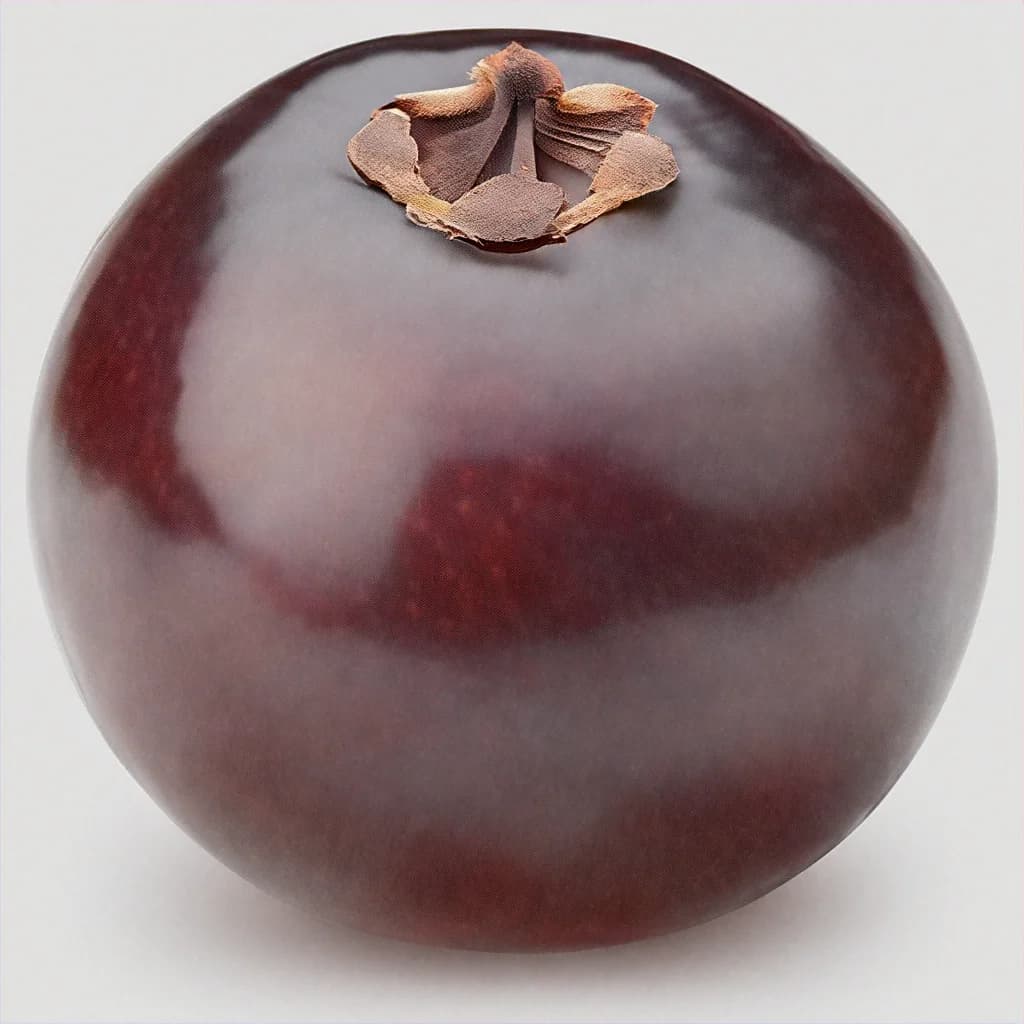
Madagascar Berry
Vaccinium meridionale
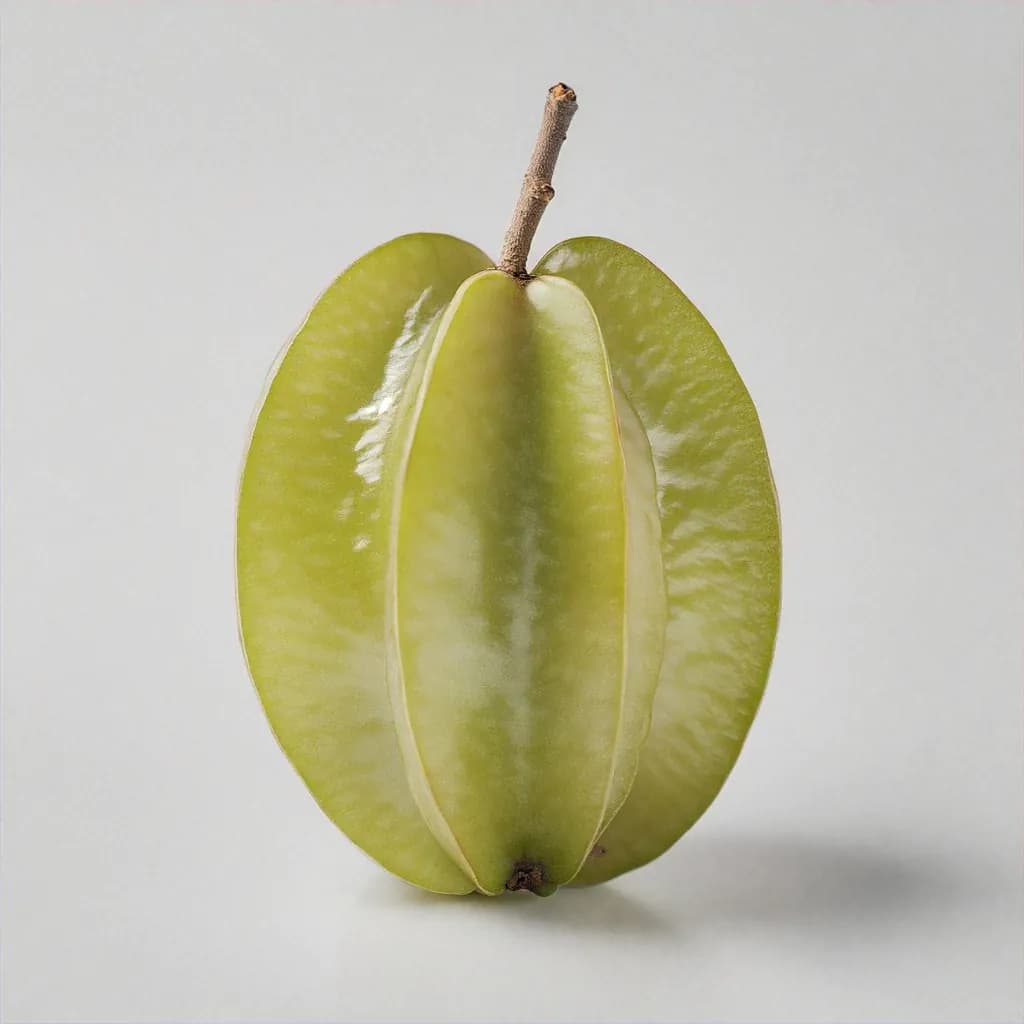
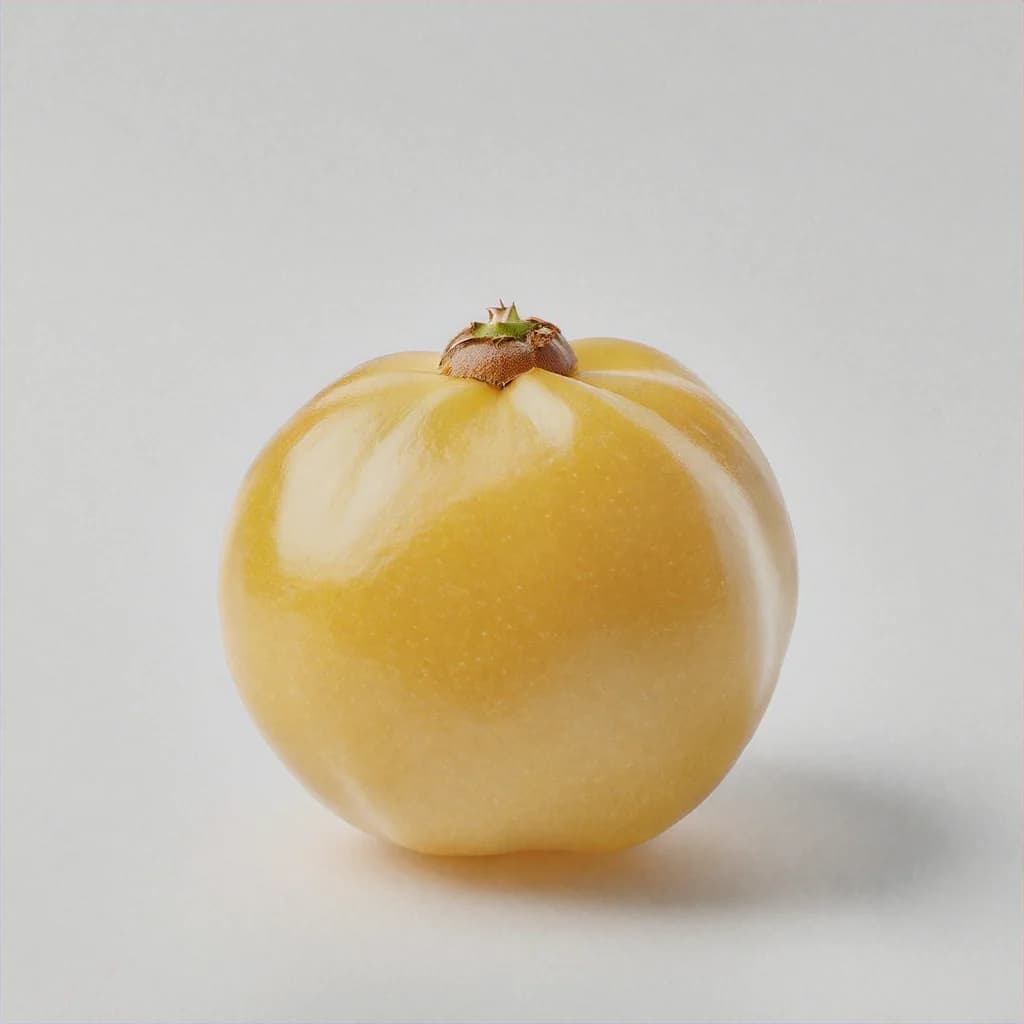
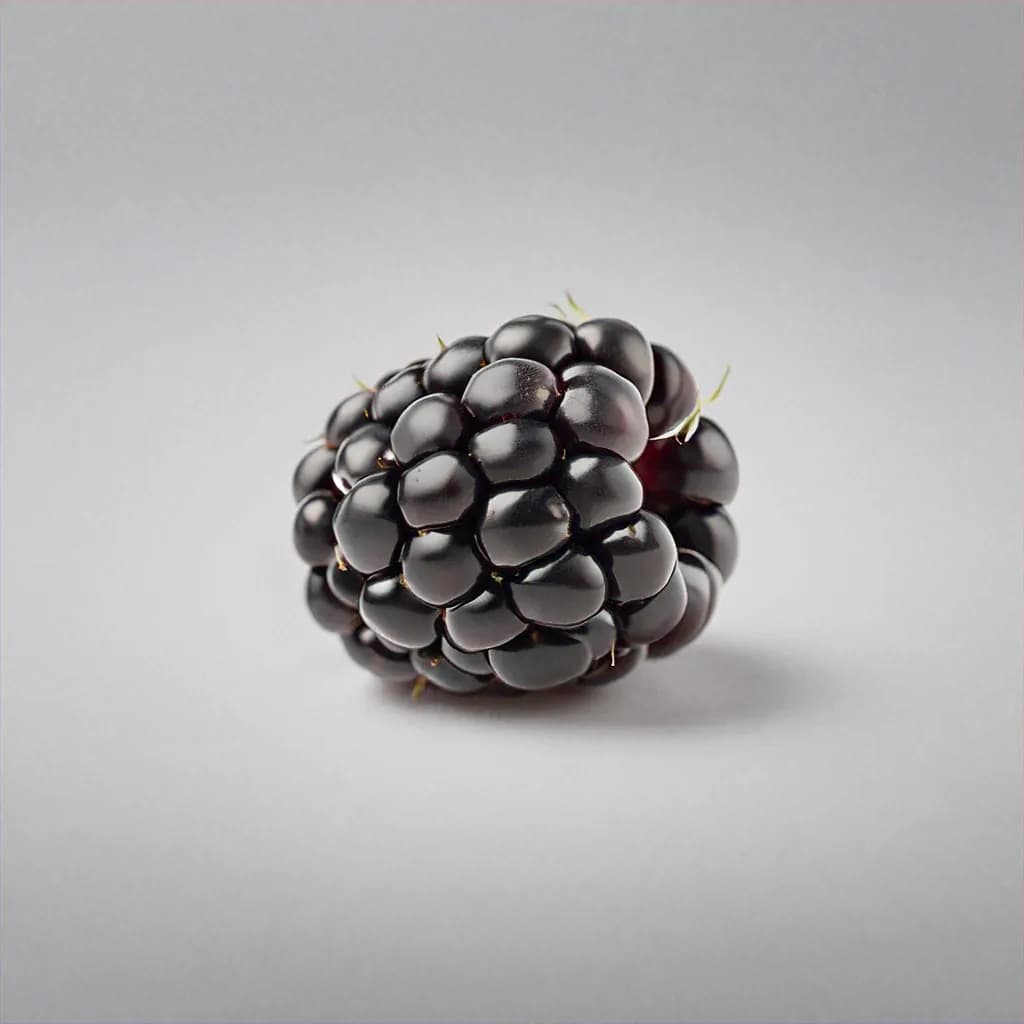
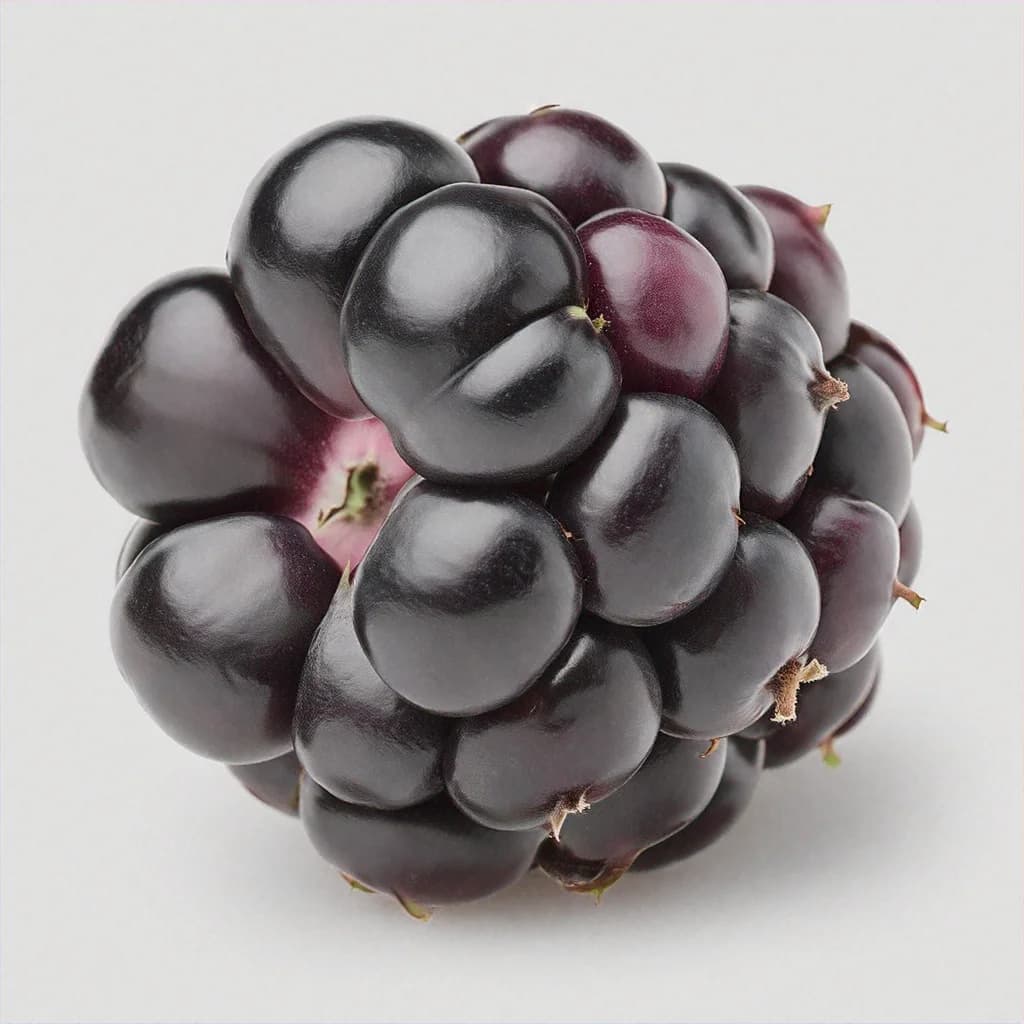
The Madagascar Berry, scientifically known as Vaccinium meridionale, is a lesser-known yet intriguing member of the Vaccinium genus, which also includes blueberries and cranberries. Native to the lush forests of Madagascar, this berry is prized for its unique tart-sweet flavor profile and vibrant reddish-purple hue. Rich in antioxidants, particularly anthocyanins, the Madagascar Berry offers a host of health benefits, including enhanced cardiovascular health and improved cognitive function. Its firm texture and slightly acidic taste make it a versatile ingredient in both sweet and savory dishes. Whether enjoyed fresh, dried, or incorporated into jams and baked goods, the Madagascar Berry is a hidden gem in the world of exotic fruits.
Madagascar Berry Galería de fotos
Explora Madagascar Berry con todo detalle
Madagascar Berry - Vista principal
Madagascar Berry Información nutricional
💊Vitaminas
Por 100 g
⚡Minerales
Por 100 g
Por porción
Desglose nutricional por porción
Beneficios para la salud de Madagascar Berry
Madagascar Berry Origen y distribución
Madagascar
The Madagascar Berry has been a staple in local diets for centuries, valued for its medicinal properties and unique flavor. Its cultivation remains largely traditional, with small-scale farmers harvesting the berries from wild plants.
Madagascar Berry Temporada alta
Late spring to early summer
Madagascar Berry Variedades
Cada variedad ofrece sabores, texturas y usos culinarios únicos
Wild Madagascar Berry
Madagascar Berry Guía de selección y conservación
Mantén tu fruta fresca y deliciosa por más tiempo
Cómo elegir la fruta perfecta
Look for firm, plump berries with a uniform reddish-purple color.
Avoid berries that are shriveled, moldy, or have a dull appearance.
Métodos de conservación
Store fresh Madagascar Berries in a sealed container in the refrigerator.
For longer storage, freeze the berries in an airtight bag or container.
Guía de vida útil
Instrucciones de congelación
Conserva la frescura por meses
Wash and dry the berries thoroughly before freezing.
Spread them on a baking sheet, freeze, and then transfer to an airtight container.
Consejo
Etiqueta los alimentos congelados con la fecha para controlar la frescura. La mayoría de las frutas mantienen su calidad durante 2-3 meses si se congelan correctamente. Para mejores resultados, usa recipientes herméticos o bolsas para congelador para evitar quemaduras por congelación.
Viaje culinario
Descubre posibilidades deliciosas
Usos comunes
Maridajes perfectos
Recetas populares
Bebidas refrescantes
Información de seguridad
Allergic reactions to Madagascar Berries are rare but possible. Individuals with known allergies to berries should exercise caution.
Madagascar Berries are generally low in pesticide residues due to traditional, small-scale farming practices.
- • Individuals with berry allergies
- • People with known sensitivities to the Vaccinium genus
- •Possible stomach upset if consumed in excess
- •Allergic reactions in sensitive individuals
- • Wash berries thoroughly before consuming.
- • Store berries properly to prevent mold growth.
Datos curiosos sobre Madagascar Berry
¡Trivias sorprendentes que te encantarán!
The Madagascar Berry is a relative of the blueberry and cranberry.
It is traditionally harvested from wild plants in Madagascar.
The berry's vibrant color comes from anthocyanins, powerful antioxidants.
Preguntas frecuentes
What does the Madagascar Berry taste like?
GeneralThe Madagascar Berry has a tart flavor with a hint of sweetness, similar to a blend of blueberries and cranberries.
How do I choose the best Madagascar Berries?
BuyingLook for firm, plump berries with a uniform reddish-purple color. Avoid shriveled or moldy berries.
How long can I store Madagascar Berries?
StorageFresh berries can be stored in the refrigerator for up to 7 days or frozen for longer storage.
What are some popular culinary uses for Madagascar Berries?
CulinaryThey can be used in jams, baked goods, smoothies, and fruit salads.
Are Madagascar Berries high in antioxidants?
NutritionYes, they are rich in anthocyanins and other antioxidants that help combat oxidative stress.
Can Madagascar Berries help with digestion?
HealthYes, their high fiber content supports digestive health.
Are Madagascar Berries safe for diabetics?
MiscellaneousYes, their low glycemic index makes them a suitable option for managing blood sugar levels.