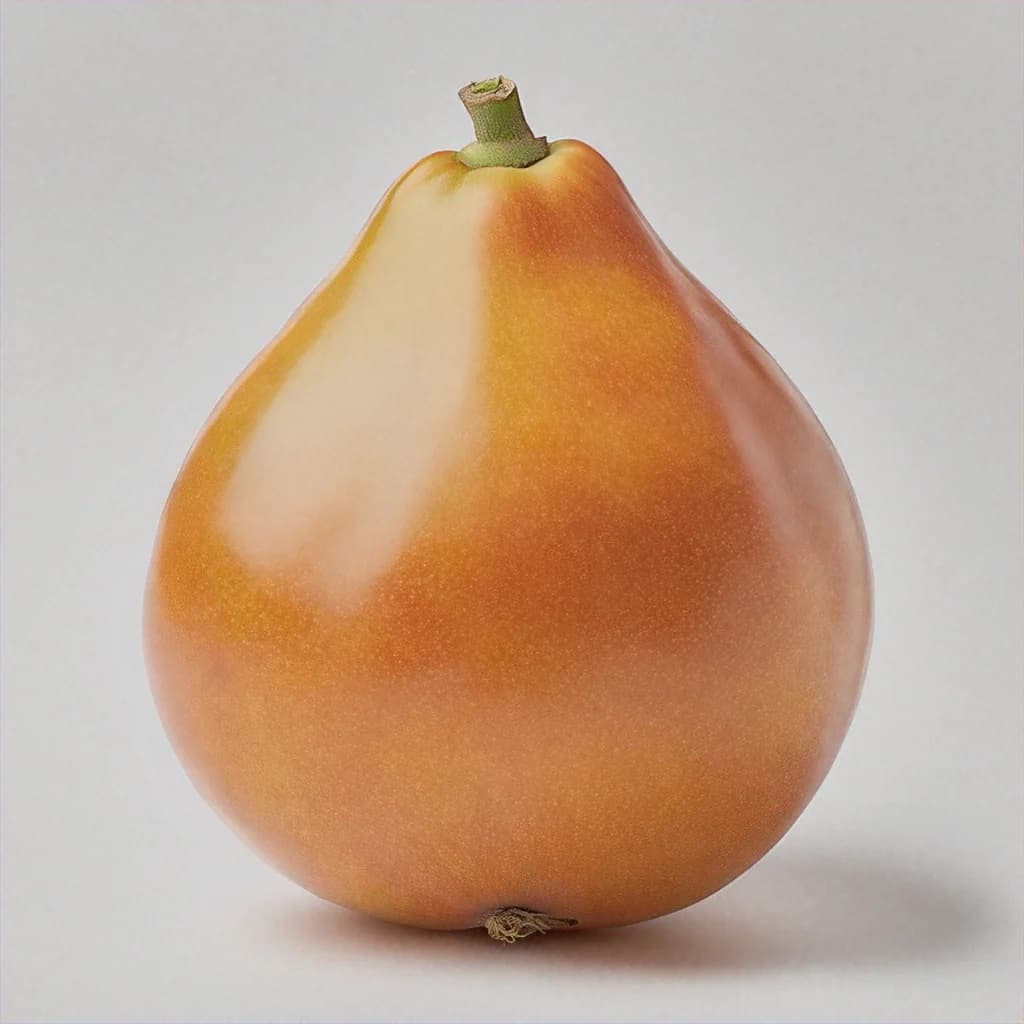
Karkalla
Carpobrotus rossii
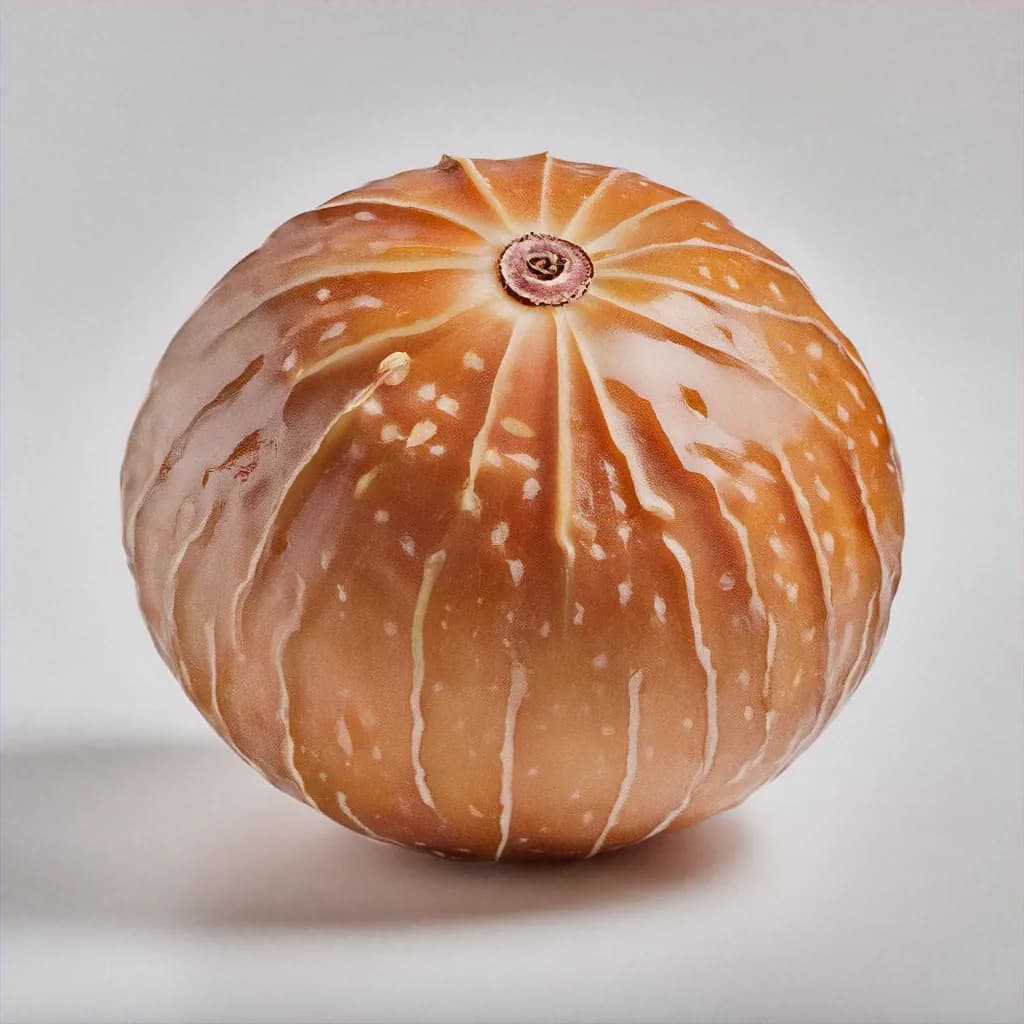
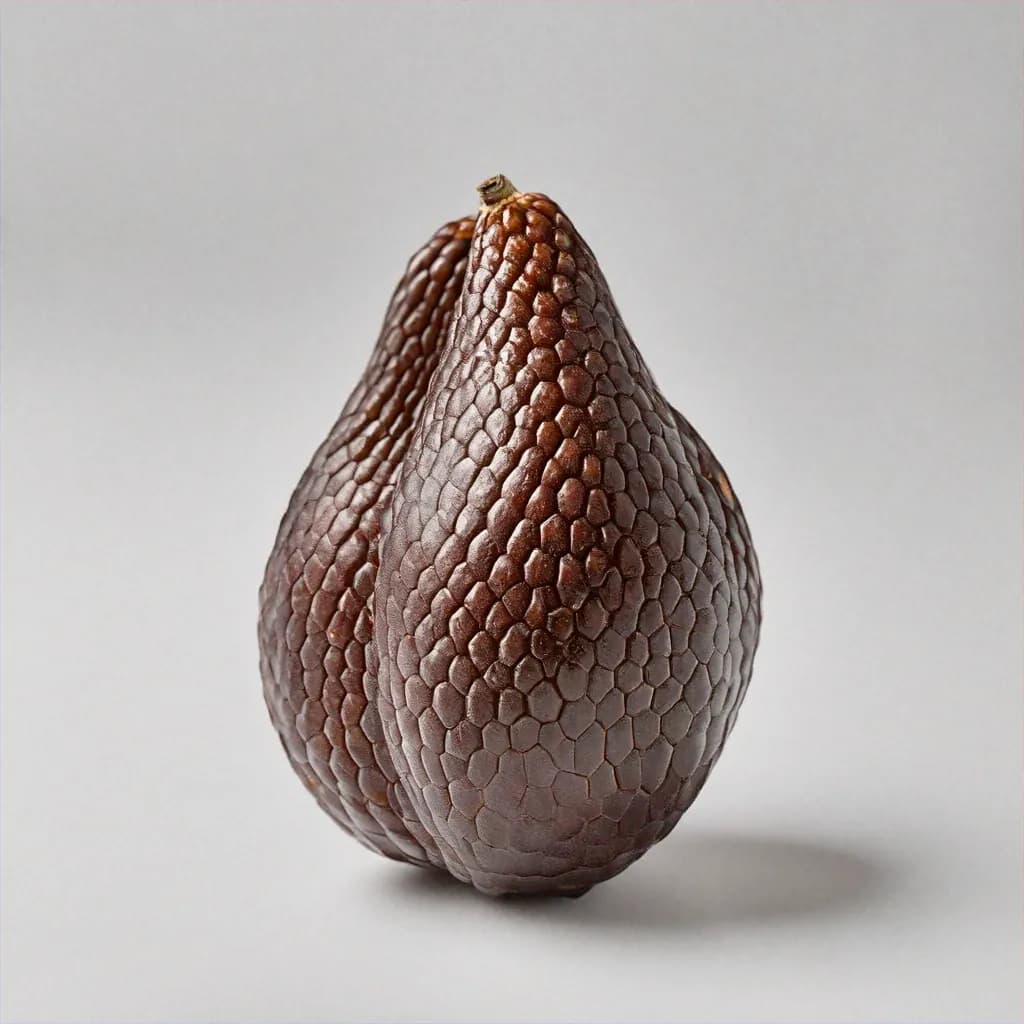
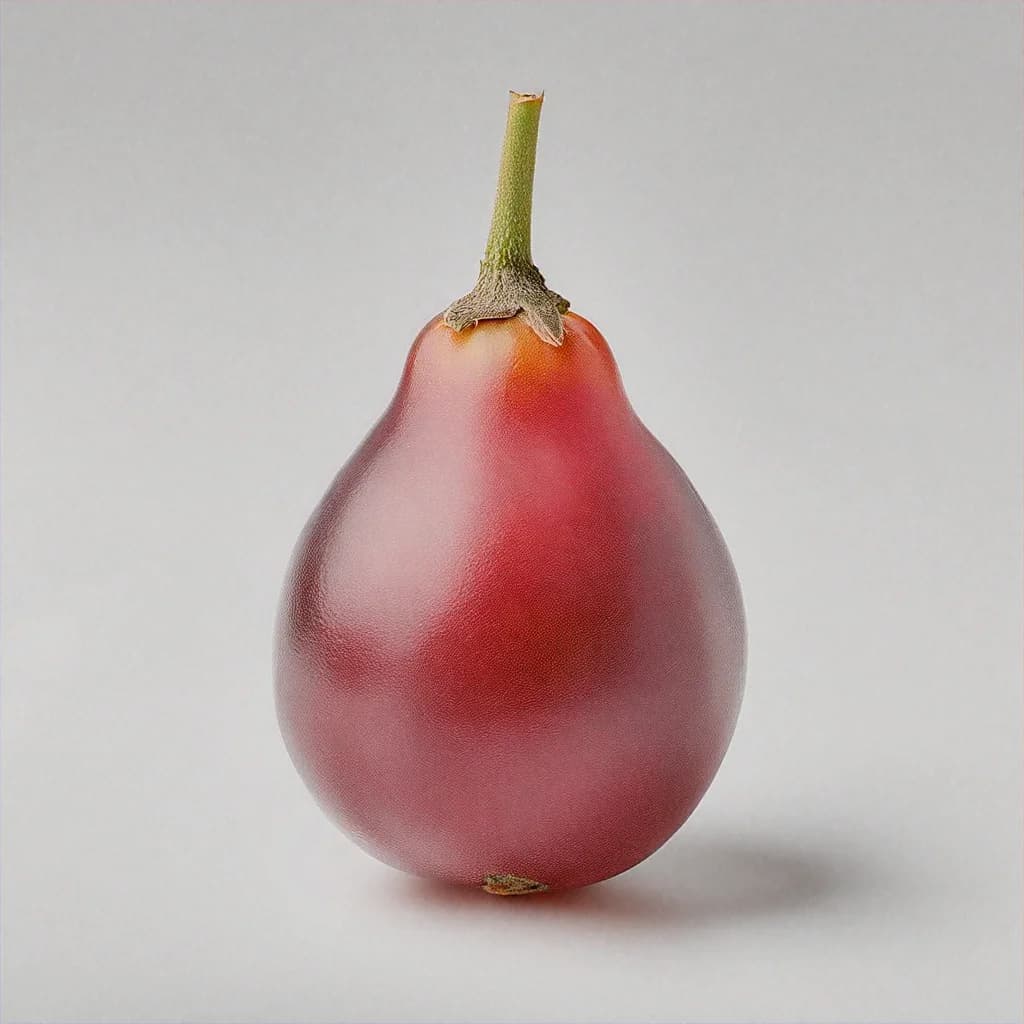
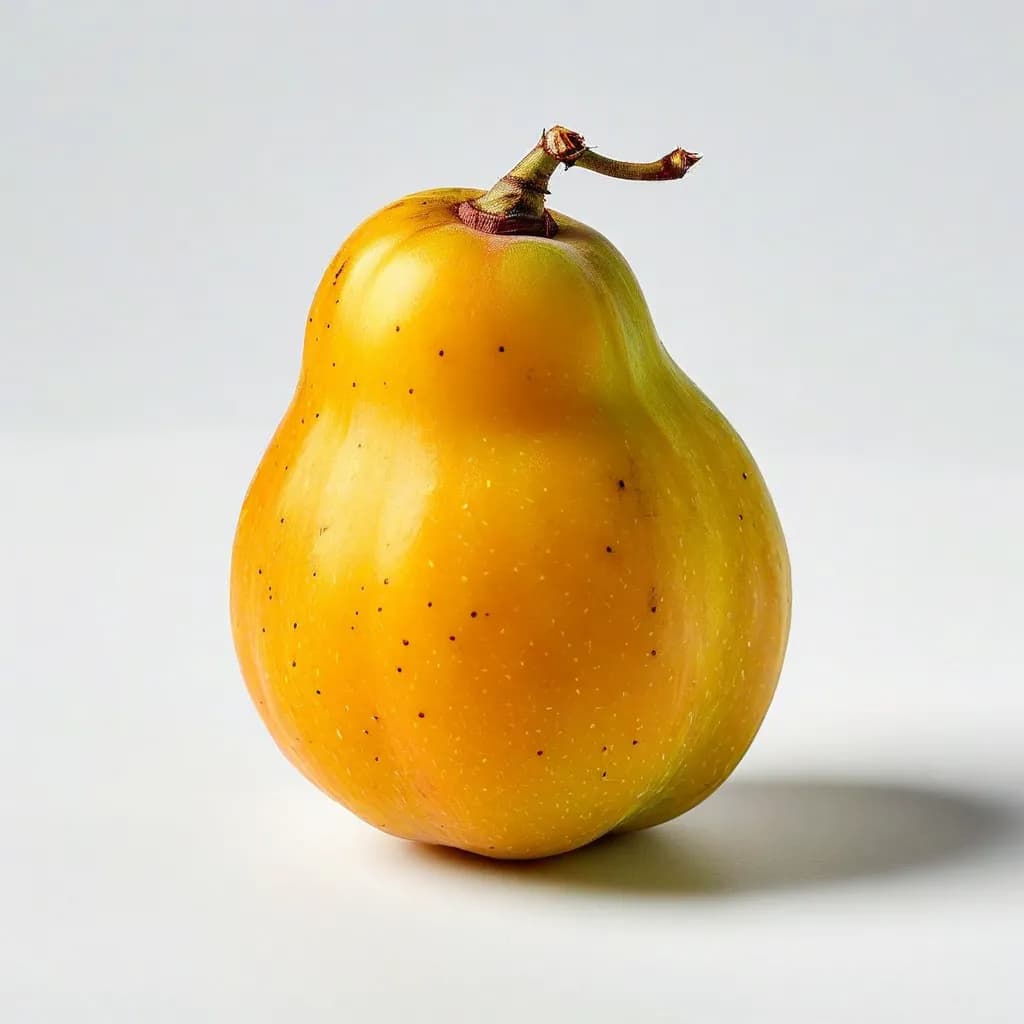
Karkalla, scientifically known as Carpobrotus rossii, is a succulent plant native to Australia, often found growing in coastal regions. Its fleshy, salty leaves and vibrant, edible fruits have made it a staple in bush tucker cuisine. The fruit is juicy, slightly tart, and refreshing, with a unique blend of sweet and salty notes. Rich in vitamins, minerals, and antioxidants, Karkalla is not only a culinary delight but also a nutritional powerhouse. Its adaptability to harsh environments makes it a resilient and sustainable food source, while its distinctive flavor profile adds a unique twist to both traditional and modern dishes.
Karkalla Galería de fotos
Explora Karkalla con todo detalle
Karkalla - Vista principal
Karkalla Información nutricional
💊Vitaminas
Por 100 g
⚡Minerales
Por 100 g
Por porción
Desglose nutricional por porción
Beneficios para la salud de Karkalla
Karkalla Origen y distribución
Coastal regions of Australia
Karkalla has been a traditional food source for Indigenous Australians for thousands of years. Its ability to thrive in saline environments has made it a valuable resource in coastal areas, where it is often harvested for its edible leaves and fruits.
Karkalla Temporada alta
Spring to early summer
Karkalla Variedades
Cada variedad ofrece sabores, texturas y usos culinarios únicos
Carpobrotus rossii
Karkalla Guía de selección y conservación
Mantén tu fruta fresca y deliciosa por más tiempo
Cómo elegir la fruta perfecta
Look for bright, unblemished fruits.
Ensure the leaves are firm and not wilted.
Métodos de conservación
Store in a cool, dry place away from direct sunlight.
Refrigerate to extend freshness.
Guía de vida útil
Instrucciones de congelación
Conserva la frescura por meses
Freeze whole fruits in an airtight container.
Thaw before use for best texture.
Consejo
Etiqueta los alimentos congelados con la fecha para controlar la frescura. La mayoría de las frutas mantienen su calidad durante 2-3 meses si se congelan correctamente. Para mejores resultados, usa recipientes herméticos o bolsas para congelador para evitar quemaduras por congelación.
Viaje culinario
Descubre posibilidades deliciosas
Usos comunes
Maridajes perfectos
Recetas populares
Bebidas refrescantes
Información de seguridad
No known allergens, but individuals with plant sensitivities should exercise caution.
Low, as Karkalla is often harvested wild and grows in natural environments.
- • Individuals with plant allergies
- • Those with digestive sensitivities
- •Potential mild stomach upset in sensitive individuals
- • Wash thoroughly before consuming.
- • Avoid consuming wilted or damaged fruits.
Datos curiosos sobre Karkalla
¡Trivias sorprendentes que te encantarán!
Karkalla is often referred to as 'pigface' due to the shape of its flowers.
Indigenous Australians have used Karkalla as a food source for thousands of years.
Preguntas frecuentes
What does Karkalla taste like?
GeneralKarkalla has a unique sweet and salty flavor, with a slightly tart and refreshing taste.
How do I choose ripe Karkalla?
BuyingLook for bright, unblemished fruits with firm leaves.
How long can I store Karkalla?
StorageKarkalla can be stored for 3-5 days at room temperature or up to 14 days refrigerated.
Can Karkalla be cooked?
CulinaryYes, Karkalla can be cooked in stews, soups, or pickled for added flavor.
Is Karkalla high in sugar?
NutritionNo, Karkalla has a moderate sugar content of 6.2g per 100g.
Does Karkalla interact with any medications?
HealthThere are no known interactions, but always consult a healthcare provider if you have concerns.
Can Karkalla be grown at home?
MiscellaneousYes, Karkalla thrives in coastal environments and can be grown in well-draining soil with ample sunlight.