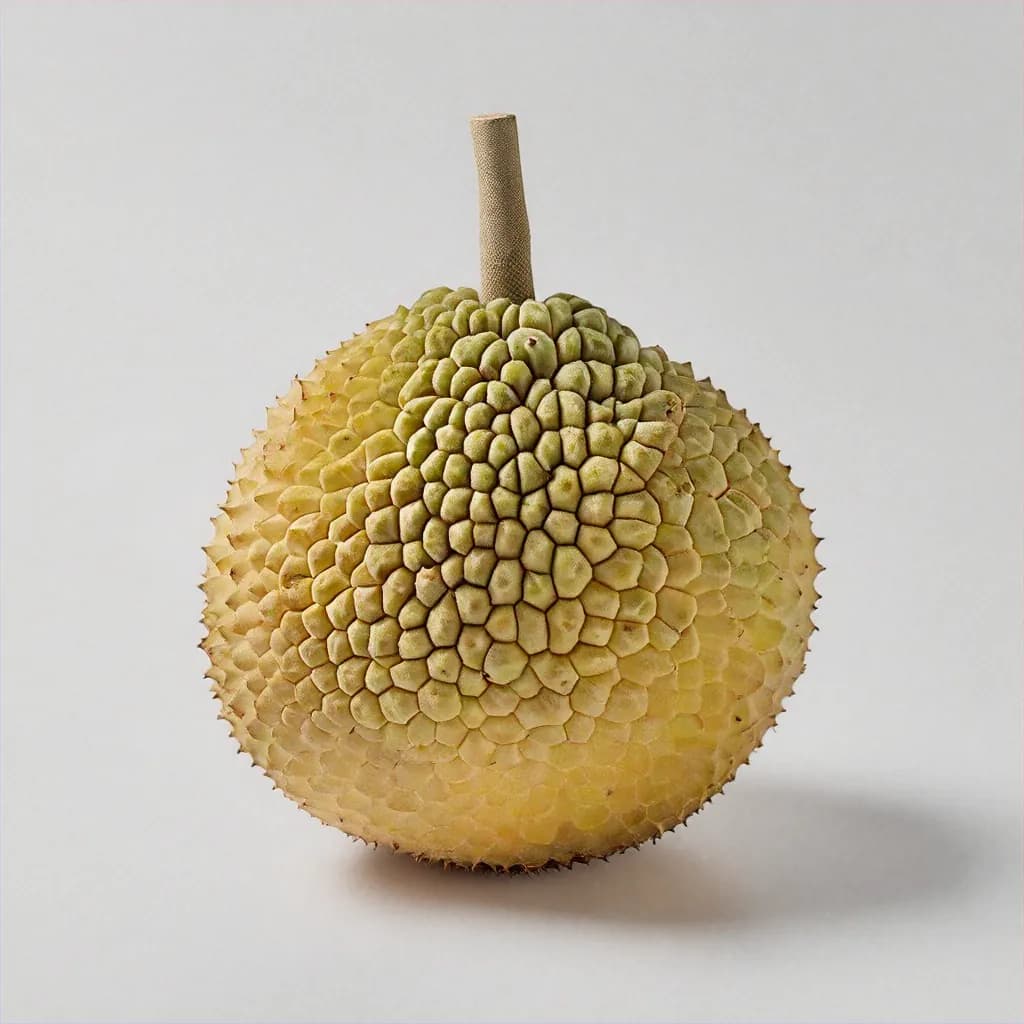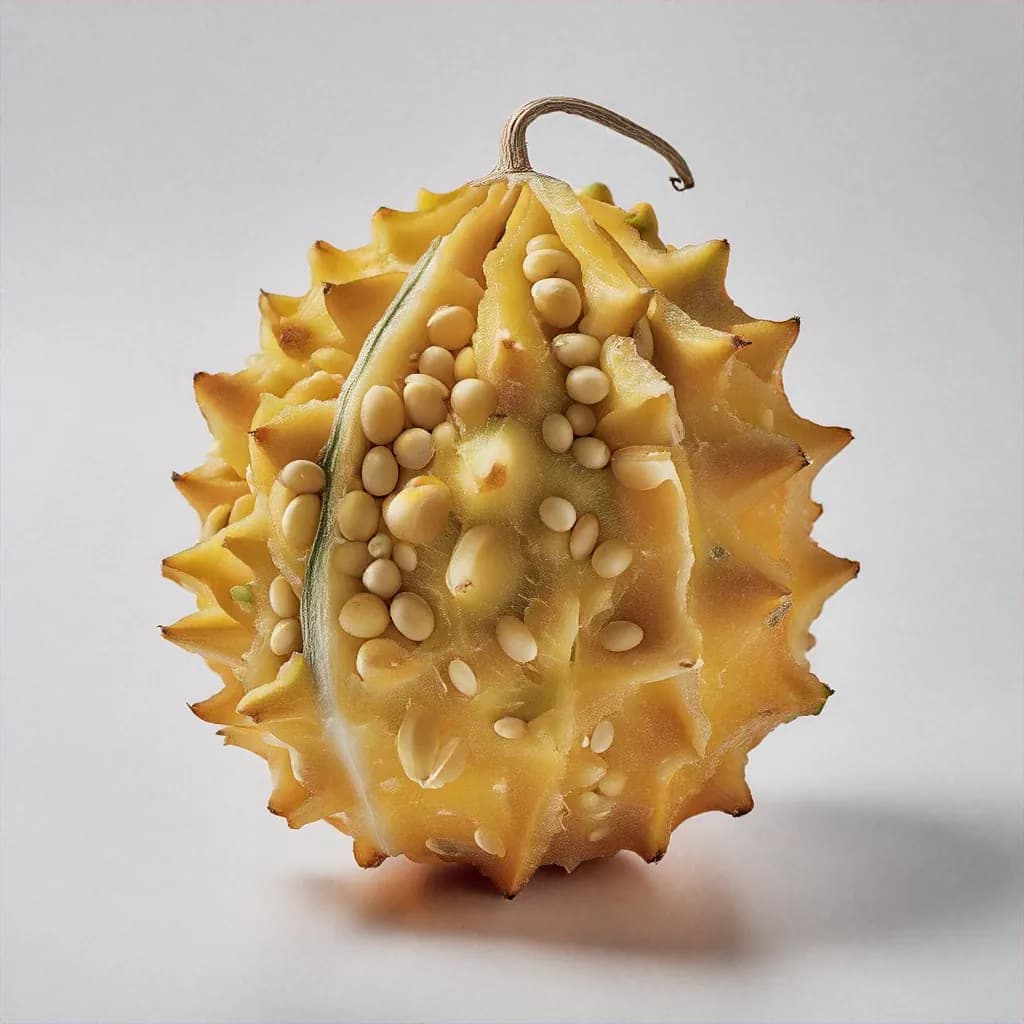
Horned Melon
Cucumis metuliferus
Horned melons are exotic tropical fruits with distinctive spiky yellow-orange rind and bright green gelatinous flesh featuring unique tropical flavor. Excellent hydration source with 88% water content supporting fluid balance and electrolyte management. Rich in vitamin C (13% DV) for immune support and low in calories (44 per 100g). Contains antioxidants and phytonutrients supporting cellular health. Native to Africa, horned melons thrive in warm climates and provide exotic superfruit benefits with distinctive appearance and refreshing tropical flavor profile.
Horned Melon Galería de fotos
Explora Horned Melon con todo detalle
Horned Melon - Vista principal
Horned Melon Información nutricional
💊Vitaminas
Por 100 g
⚡Minerales
Por 100 g
Por porción
Desglose nutricional por porción
Beneficios para la salud de Horned Melon
Horned Melon Origen y distribución
Africa, particularly East Africa and Southern Africa
Horned melons originated in Africa with cultivation documented in East and Southern African regions. Traditional African food source providing nutrition and hydration. Colonial expansion introduced to other tropical and subtropical regions. Modern cultivation expanded to Australia, New Zealand, and North America. Increasing global availability as exotic fruit market grows.
Horned Melon Temporada alta
Year-round availability with peak seasons varying by region
Horned Melon Variedades
Cada variedad ofrece sabores, texturas y usos culinarios únicos
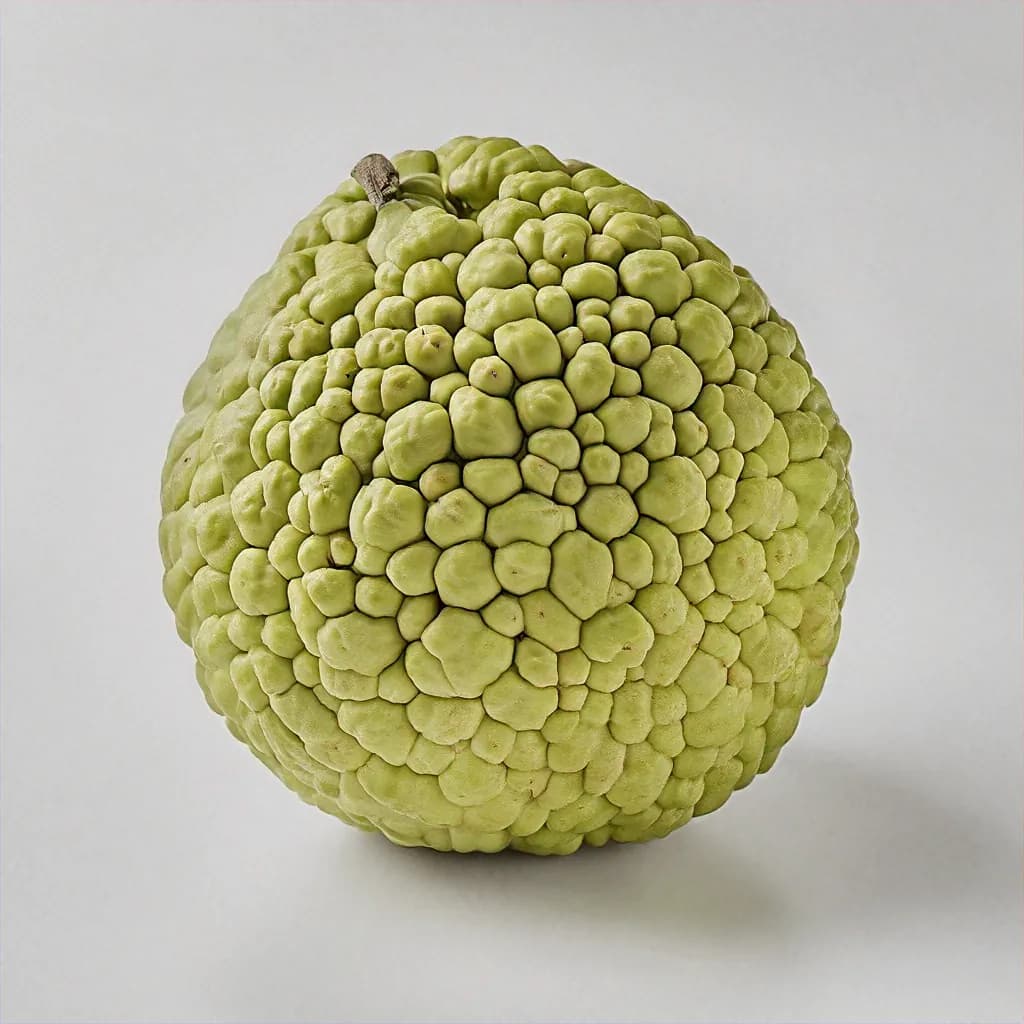
Green Horned Melon
Golden Horned Melon
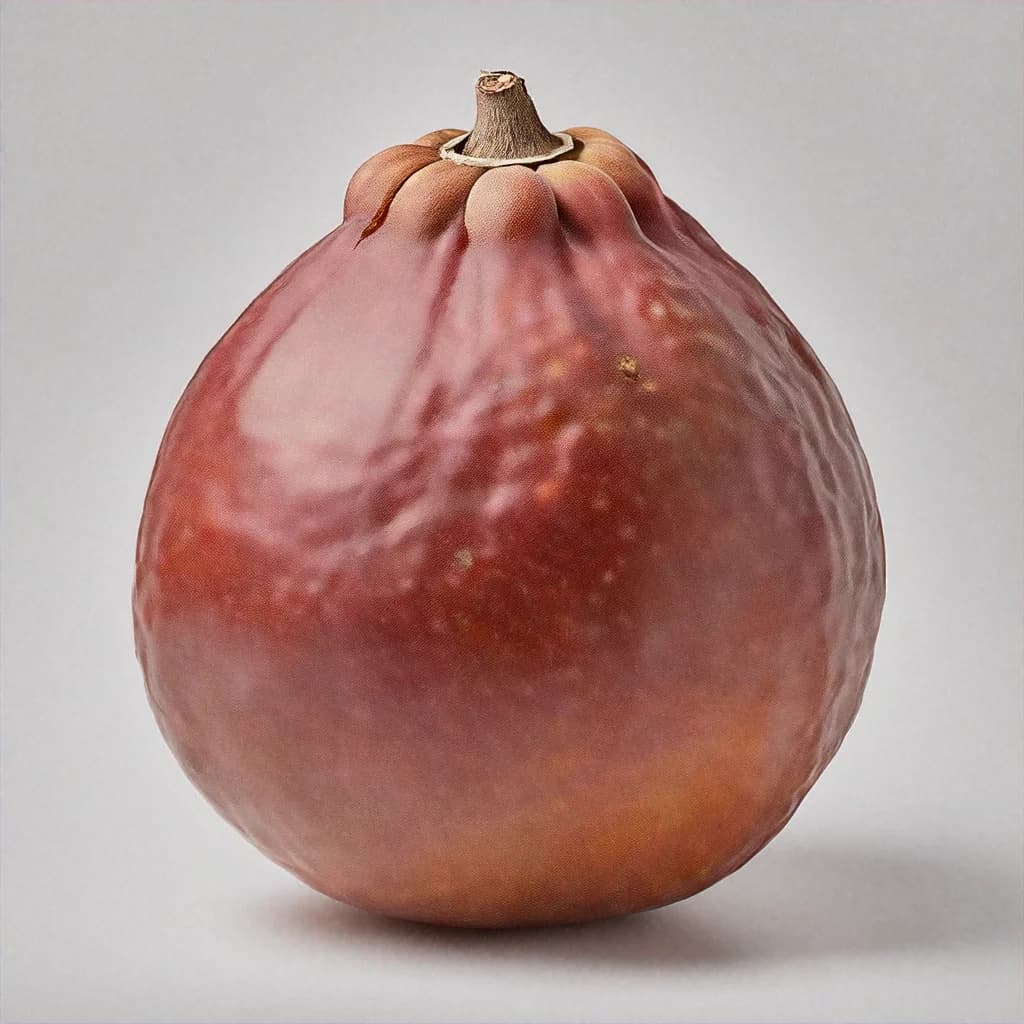
Red Horned Melon
Horned Melon Guía de selección y conservación
Mantén tu fruta fresca y deliciosa por más tiempo
Cómo elegir la fruta perfecta
Select bright yellow-orange rind with sharp spikes
Melon should yield slightly to pressure when ripe
Avoid soft or mushy areas indicating overripeness
Look for firm, unblemished skin
Choose heavier melons indicating better juice content
Distinctive spiky appearance indicates quality
Purchase from markets with fresh supply
Métodos de conservación
Refrigerate whole melon 1-2 weeks
Store cut melon in airtight container 3-4 days
Keep in coldest section of refrigerator
Do not freeze - damages texture and quality
Wrap cut portions tightly preventing odor absorption
Can ripen slightly at room temperature 1-2 days if needed
Guía de vida útil
Instrucciones de congelación
Conserva la frescura por meses
Fresh horned melon does not freeze well
Gelatinous texture deteriorates significantly when frozen
Not recommended for freezing whole fruit
Puree can be frozen in ice cube trays for smoothies
Frozen puree keeps 1-2 months
Use frozen only in blended drinks
Consejo
Etiqueta los alimentos congelados con la fecha para controlar la frescura. La mayoría de las frutas mantienen su calidad durante 2-3 meses si se congelan correctamente. Para mejores resultados, usa recipientes herméticos o bolsas para congelador para evitar quemaduras por congelación.
Viaje culinario
Descubre posibilidades deliciosas
Usos comunes
Maridajes perfectos
Recetas populares
Bebidas refrescantes
Información de seguridad
Horned melon allergies extremely rare with minimal documented cases. Allergic reactions very uncommon. Generally safe for most individuals. Those with melon allergies should consult allergist cautiously. Cross-reactivity with other melons possible but uncommon.
Horned melons grown organically in many African regions. Minimal pesticide use in traditional cultivation. Organic horned melon products available. Conventional melons acceptable with rind removal. Natural spiky rind provides some protection.
- • Individuals with documented horned melon allergies
- • Those with severe melon allergies - consult allergist
- • People with extreme fruit sensitivities - rare cases
- •Allergic reactions (very rare) ranging from mild oral symptoms to throat swelling
- •Gastrointestinal upset with excessive consumption
- •Minimal side effects documented in most individuals
- • Wash melon thoroughly under cool running water before cutting
- • Use clean, sharp knife for safe cutting
- • Beware of sharp spikes - handle carefully preventing puncture injuries
- • Wear gloves if sensitive to spike contact
- • Remove spikes if desired before serving
- • Scoop gelatinous flesh with clean spoon
- • Discard any discolored or deteriorated flesh
- • Consume fresh for optimal quality and safety
Datos curiosos sobre Horned Melon
¡Trivias sorprendentes que te encantarán!
Horned melons originated in Africa with traditional cultivation in East and Southern African regions
Distinctive spiky yellow-orange rind distinguishes horned melons from other melons
Vitamin C content (22% DV) supports immune system and collagen synthesis
Gelatinous green flesh contains edible seeds suspended in jelly-like juice
88% water content provides exceptional hydration supporting tropical nutrition
Also known as kiwano - reflecting increasing global market recognition
Low calorie content (44 per 100g) ideal for weight management
Fiber content (19% DV per serving) supports digestive health
Can ripen slightly at room temperature for 1-2 days if needed
Distinctive appearance makes horned melons visually striking in fruit arrangements
Preguntas frecuentes
What are the unique nutritional and hydration benefits of horned melons for tropical nutrition?
HealthHorned melons exceptional tropical nutrition and hydration benefits with unique gelatinous texture and flavor profile. WATER CONTENT: 88% water composition provides excellent hydration. High water content supporting fluid balance and electrolyte management. Rapidly absorbed hydration without added sugars. Natural electrolyte content supporting physical function. Ideal tropical hydration source in hot climates. VITAMIN C CONTENT: Vitamin C (22% DV) supports immune system function. Collagen synthesis essential for skin health and tissue repair. Antioxidant defense protecting cells from oxidative stress. Iron absorption enhancement supporting blood health. Wound healing support through collagen formation. FIBER BENEFITS: Fiber (19% DV per serving) supports digestive health and regularity. Moderate fiber content without excessive gas production. Smooth digestion and comfortable consumption. Satiety support through natural fiber content. Healthy gut bacteria support. FOLATE SUPPORT: Folate (7% DV) supports cell division and DNA synthesis. Essential for fetal development during pregnancy. Cell growth and renewal supported by folate. Genetic material synthesis requires adequate folate. Tissue repair and growth supported. LOW CALORIE PROFILE: Only 44 calories per 100g ideal for weight management. Nutrient density without excessive calorie content. Satisfying food option for calorie-conscious individuals. Supports healthy weight maintenance. Natural sweetness without added calories. ANTIOXIDANT PROTECTION: Flavonoids and polyphenols provide antioxidant benefits. Free radical neutralization protecting cellular health. Disease prevention through antioxidant defense. Anti-inflammatory support through phytonutrients. Cellular aging prevention support. UNIQUE TROPICAL FLAVOR: Distinctive mild tropical flavor appealing to adventurous eaters. Refreshing taste perfect for hot climate consumption. Adds nutritional variety to balanced diet. Culinary versatility in tropical cuisine. Exotic appeal encouraging consumption. EXOTIC APPEAL: Distinctive spiky appearance encourages consumption and interest. Novel fruit expanding dietary variety. Culinary exploration supporting nutritional diversity. Visual appeal enhancing presentation and enjoyment. BOTTOM LINE: Horned melons exceptional tropical nutrition through 88% water hydration, vitamin C for immune support, fiber for digestive health, folate for cell function, low calorie density, antioxidants for cellular protection, and unique flavor supporting balanced tropical nutrition.
How do you select, cut, and consume fresh horned melons properly?
RecipesHorned melon selection, cutting, and consumption crucial for maximizing exotic flavor and nutritional benefits. RIPENESS SELECTION: Look for bright yellow-orange rind indicating full ripeness. Distinctive spiky appearance characteristic of ripe melons. Melon should yield slightly to gentle pressure when ripe. Avoid soft or mushy areas indicating overripeness or spoilage. Firm texture indicates optimal ripeness for consumption. QUALITY INDICATORS: Select unblemished skin without soft spots. Heavier melons indicate better juice and flavor content. Distinctive spiky appearance indicates quality and ripeness. Avoid dull color suggesting underripeness. Fresh green aroma indicates optimal condition. CUTTING PREPARATION: Wash melon thoroughly under cool running water. Dry completely before cutting preventing slipping. Use clean, sharp knife for clean cuts. Cut melon in half lengthwise through spikes. Remove seeds if present using spoon. CONSUMPTION METHOD: Scoop gelatinous flesh directly from skin using spoon. Eat seeds along with gelatinous flesh - seeds edible. Consume directly from rind for tropical experience. Cut into pieces for fruit salads if preferred. Flavor best at room temperature for full taste appreciation. GELATINOUS TEXTURE: Unique gelatinous consistency characteristic of horned melon. Texture similar to passion fruit with liquid centers. Seeds suspended in gel-like juice. Completely edible texture including seeds. Refreshing texture particularly enjoyable in hot weather. STORAGE GUIDELINES: Refrigerate whole uncut melon 1-2 weeks. Cut melon stores 3-4 days in airtight container. Room temperature ripening 1-2 days if underripe. Avoid freezing - damages gelatinous texture. Wrap cut portions tightly preventing odor absorption. JUICE EXTRACTION: Press or squeeze fruit extracting gelatinous juice. Perfect for smoothies and juices. Strain if clearer juice desired. Freshly extracted juice consumed immediately for optimal quality. Seeds can be included for nutritional benefit. SERVING SUGGESTIONS: Serve chilled for optimal refreshment. Garnish cocktails with gelatinous flesh. Add to fruit platters for exotic appearance. Scoop into smoothies whole. Serve at room temperature for flavor appreciation. PRACTICAL TIPS: Handle carefully - spikes sharp and can puncture skin. Wear gloves if sensitive to spike contact. Wash hands after handling preventing irritation. Remove spikes if desired before serving. Cut into manageable pieces for consumption. BOTTOM LINE: Select bright yellow-orange firm melons, cut carefully in half, scoop gelatinous flesh with spoon, consume seeds and gel together, refrigerate whole 1-2 weeks, and enjoy chilled for optimal tropical hydration and unique exotic flavor experience.
Are horned melons safe for children and what are the nutritional benefits for development?
SafetyHorned melons safe and unique for children supporting hydration, growth, and nutritional variety. NUTRITIONAL BENEFITS: Vitamin C (22% DV) supports immune system protecting against infections. Fiber (19% DV) supports digestive health and regular bowel function. Folate (7% DV) supports cell division and growth essential during childhood. Magnesium (3% DV) supports muscle and bone development. Low calorie content supporting healthy weight development. EXOTIC APPEAL: Distinctive appearance encourages children's interest and consumption. Novel fruit supporting nutritional variety exploration. Visual appeal engaging children and expanding palates. Culinary adventure promoting healthy eating. Unique taste introducing diverse flavors. LOW ALLERGEN: Horned melon allergies extremely rare in children. Rarely allergenic with minimal cross-reactivity. Generally well-tolerated when introduced properly. Severe allergic reactions very rare. Safe introduction for most children. INTRODUCTION GUIDELINES: Introduce gradually starting with small quantities. Begin with small spoonful of gelatinous flesh observing reactions. Increase quantity as child demonstrates tolerance. Watch for any unusual reactions initially. Supervise first few consumptions. PREPARATION FOR CHILDREN: Gelatinous texture interesting for young children. Completely edible seeds and flesh combination. No choking hazard with proper preparation. Easy to consume directly from rind. Age-appropriate handling for all children. TEXTURE APPEAL: Unique gelatinous texture interesting for children. Refreshing tropical taste appealing in summer. Exciting novelty encouraging healthy eating. Smooth consistency easy to consume. Seeds add textural variety. FLAVOR DEVELOPMENT: Mild tropical flavor introducing diverse tastes. Natural sweetness (only 3g sugar) healthy choice. Refreshing flavor particularly popular in warm weather. Introduces exotic fruit appreciation. Expands palate to global cuisine. PORTION SIZES: Young children - 2-3 spoonfuls (50g) daily. Older children - 1 cup (200g) daily. Include with balanced diet. Encourage water consumption supplementing melon. DEVELOPMENT SUPPORT: Vitamin C supports immune development and collagen formation. Fiber supports digestive system development. Folate supports growth and cell development. Magnesium supports bone and muscle development. Antioxidants protect developing cells. HYDRATION IMPORTANCE: 88% water content supporting proper hydration. Particularly beneficial in warm climates. Encourages water intake through appealing fruit. Prevents dehydration during activity. Electrolyte balance maintained. IMMUNE SUPPORT: Vitamin C strengthens developing immune response. Supports disease prevention and healing. Collagen formation essential for growing bodies. Antioxidants protect developing tissues. Natural immune support without additives. PRACTICAL TIPS: Pack in lunch boxes - novel portable snack. Serve chilled for maximum refreshment. Cut in half for children to scoop themselves. Involve children in selection and preparation. Encourage exploration of exotic fruits. BOTTOM LINE: Horned melons safe and unique for children supporting hydration, immune development, digestive health, and nutritional variety through vitamin C, fiber, and folate with distinctive appearance and flavor encouraging healthy eating exploration.
What is the cultural significance of horned melons in African traditions and global exotic fruit markets?
CultureHorned melons exceptional cultural significance in African heritage with emerging global recognition as exotic superfruit. AFRICAN ORIGINS: Horned melons originated in East and Southern Africa with traditional cultivation documented. Primary food source providing nutrition and hydration in African regions. Traditional African nutrition reflecting sustainable local cultivation. Cultural significance in regional cuisines. Ancient cultivation practices documented. EAST AFRICAN TRADITIONS: Kenya traditional cultivation and consumption centered around horned melons. Tanzania traditional food source spanning generations. Uganda regional cultivation traditions. Ethiopia cultivation heritage. Regional recipes incorporating kiwano. SOUTHERN AFRICAN SIGNIFICANCE: South Africa commercial cultivation expanding globally. Zimbabwe regional cultivation traditions. South African market development supporting cultivation expansion. Modern cultivation reflecting regional expertise. TRADITIONAL NUTRITION: Horned melons provided hydration in hot African climates. Sustainable nutrition supporting populations. Year-round availability in tropical regions. Traditional food security crop. Nutritional foundation for regional diets. COLONIAL EXPANSION: European colonization introduced horned melons to other regions. Botanical interest in unique properties. Cultivation expanded to suitable climates. Scientific investigation of traditional uses. Modern cultivation building on traditional knowledge. GLOBAL EXOTIC MARKET: Horned melons emerging exotic fruit in global markets. Specialty produce markets featuring kiwano. Health food movement recognizing superfruit status. Global availability increasing through cultivation expansion. Premium pricing reflecting exotic status. CULINARY INNOVATION: Global chefs incorporating horned melons creatively. Exotic ingredient in fine dining establishments. Fusion cuisine adapting traditional uses. Cocktail and beverage industry featuring kiwano. Culinary competitions showcasing horned melons. BOTANICAL INTEREST: Distinctive spiky appearance generating scientific interest. Unique gelatinous texture botanical fascination. Culinary research exploring applications. Nutritional science validating traditional benefits. Agricultural development optimizing cultivation. SUSTAINABILITY PRACTICES: Traditional African cultivation methods sustainable. Agroforestry integration with other crops. Organic cultivation gaining momentum. Fair trade practices supporting African farmers. Climate considerations affecting cultivation. MARKET DEVELOPMENT: Increasing global availability documented. Specialty grocers stocking horned melons. Farmers markets featuring exotic varieties. Online sourcing expanding global access. Price accessibility improving with cultivation expansion. EXPORT INDUSTRIES: African countries developing export industries. Employment opportunities from cultivation expansion. Economic development supporting agricultural communities. Fair trade practices emerging. Global supply chains developing. CHALLENGES AND OPPORTUNITIES: Limited awareness outside specialty markets. Climate change affecting traditional growing regions. Sustainable farming practices emerging. Fair trade certification developing. Cultural traditions evolving with globalization. BOTTOM LINE: Horned melons represent African cultural heritage from East and Southern African origins through traditional nutrition, colonial expansion, emerging global exotic market recognition, culinary innovation, and sustainable cultivation practices supporting African agricultural communities.