Cardon
Pachycereus pringlei
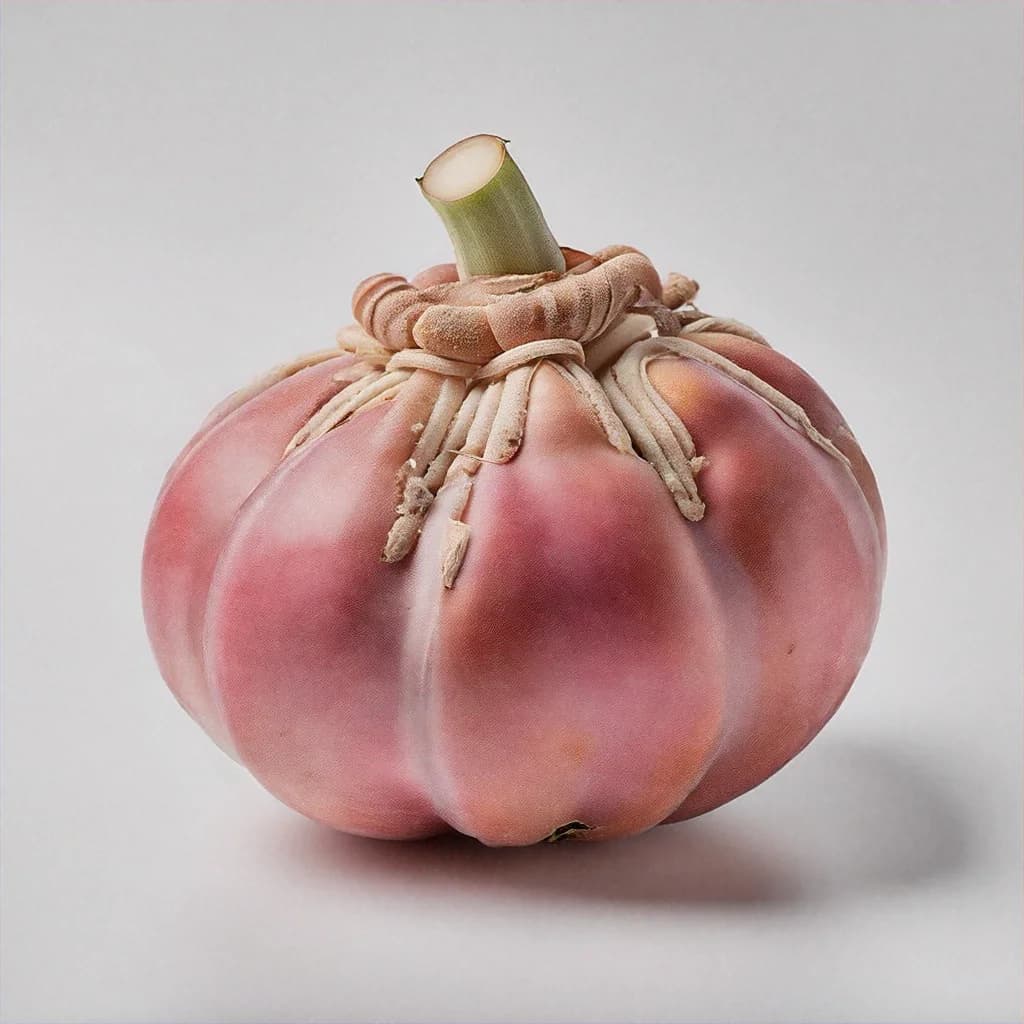
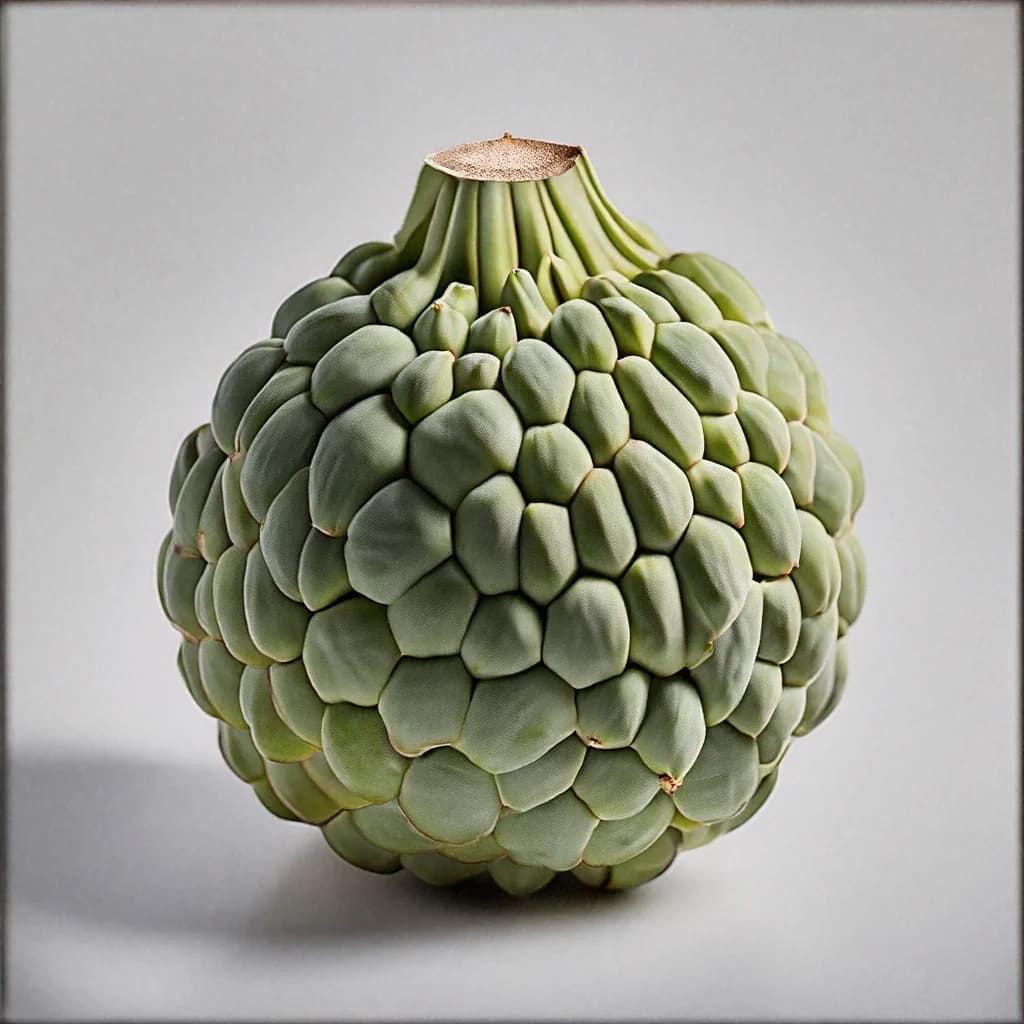
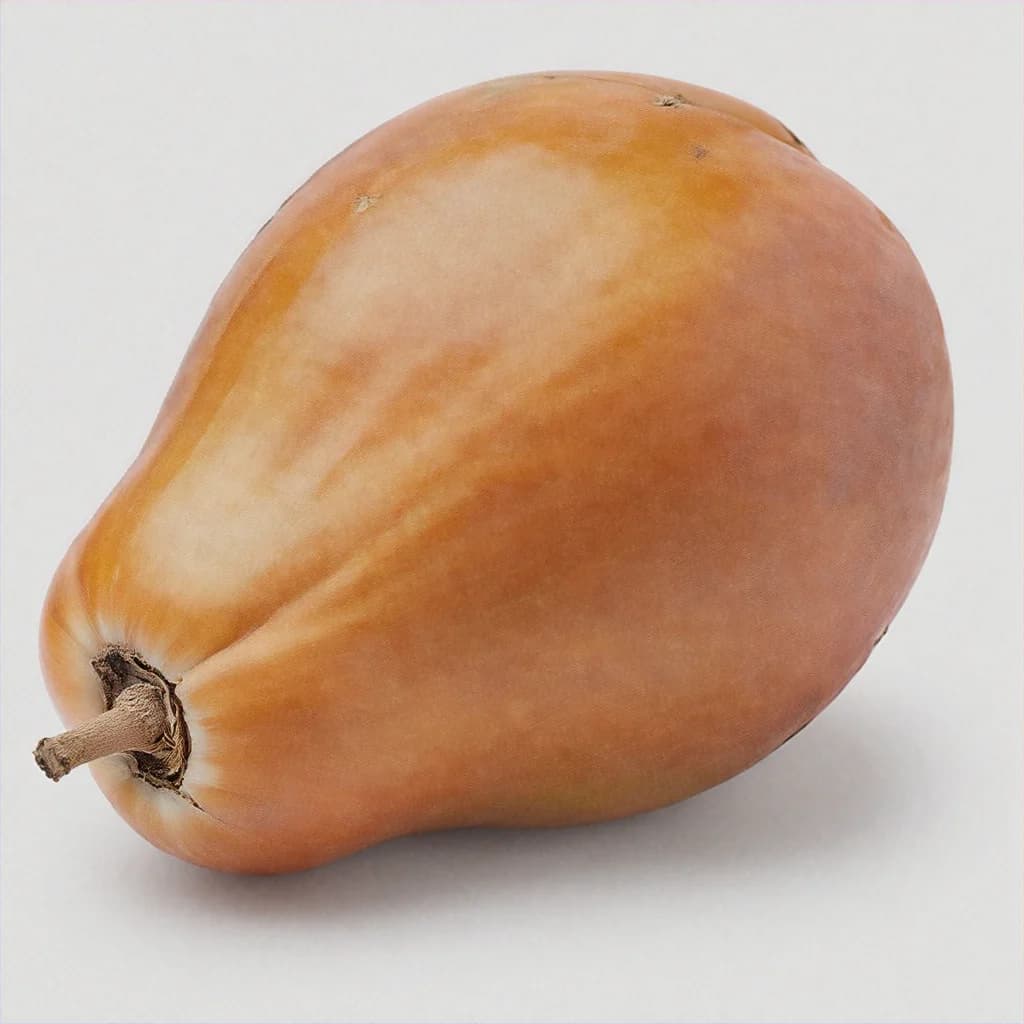
Cardon, scientifically known as Pachycereus pringlei, is a unique fruit native to the arid regions of North America, particularly the Sonoran Desert. This tall, columnar cactus produces edible fruit that has been a staple in traditional diets for centuries. The fruit is typically oval-shaped, with a thick, spiny exterior that protects the juicy, sweet pulp inside. Rich in vitamins, minerals, and antioxidants, Cardon fruit offers a host of health benefits, from boosting immunity to aiding digestion. Its versatility in culinary applications, ranging from beverages to jams, makes it a prized ingredient in both traditional and modern cuisines.
Cardon Galería de fotos
Explora Cardon con todo detalle
Cardon - Vista principal
Cardon Información nutricional
💊Vitaminas
Por 100 g
⚡Minerales
Por 100 g
Por porción
Desglose nutricional por porción
Beneficios para la salud de Cardon
Cardon Origen y distribución
Sonoran Desert
Cardon has been cultivated and consumed by indigenous communities in the Sonoran Desert for thousands of years. Its fruit has been a valuable source of hydration and nutrition in the harsh desert environment.
Cardon Temporada alta
Spring to Summer
Cardon Variedades
Cada variedad ofrece sabores, texturas y usos culinarios únicos
Wild Cardon
Cardon Guía de selección y conservación
Mantén tu fruta fresca y deliciosa por más tiempo
Cómo elegir la fruta perfecta
Look for firm, unblemished fruit with no signs of mold or soft spots.
Choose fruit with a vibrant color, indicating ripeness.
Métodos de conservación
Store in a cool, dry place for up to 5 days.
Refrigerate for extended freshness, up to 10 days.
Guía de vida útil
Instrucciones de congelación
Conserva la frescura por meses
Freeze the pulp in airtight containers for up to 6 months.
Thaw and use in smoothies or recipes.
Consejo
Etiqueta los alimentos congelados con la fecha para controlar la frescura. La mayoría de las frutas mantienen su calidad durante 2-3 meses si se congelan correctamente. Para mejores resultados, usa recipientes herméticos o bolsas para congelador para evitar quemaduras por congelación.
Viaje culinario
Descubre posibilidades deliciosas
Usos comunes
Maridajes perfectos
Recetas populares
Bebidas refrescantes
Información de seguridad
Individuals with known allergies to cactus fruits should avoid Cardon fruit.
Cardon fruit is generally low in pesticide residue due to its natural resistance to pests.
- • Individuals with cactus allergies
- • Those with severe digestive issues
- •Potential allergic reactions in sensitive individuals
- •Mild stomach upset if consumed in excess
- • Wear gloves when handling the fruit to avoid prickles.
- • Wash the fruit thoroughly before consumption.
Datos curiosos sobre Cardon
¡Trivias sorprendentes que te encantarán!
Cardon fruit has been a staple food for indigenous communities in the Sonoran Desert for thousands of years.
The Pachycereus pringlei cactus can grow up to 60 feet tall and live for over 200 years.
Preguntas frecuentes
What is Cardon fruit?
GeneralCardon fruit is the edible fruit of the Pachycereus pringlei cactus, native to the Sonoran Desert. It is sweet, juicy, and rich in nutrients.
How do I select ripe Cardon fruit?
BuyingRipe Cardon fruit should be firm, vibrant in color, and free of blemishes or soft spots.
How long does Cardon fruit last?
StorageCardon fruit can be stored at room temperature for up to 5 days or refrigerated for up to 10 days.
What are some culinary uses for Cardon fruit?
CulinaryCardon fruit can be used in jams, syrups, salads, desserts, and beverages like agua fresca.
Is Cardon fruit nutritious?
NutritionYes, Cardon fruit is rich in Vitamin C, fiber, antioxidants, and minerals like calcium and potassium.
Are there any health concerns with Cardon fruit?
HealthCardon fruit is generally safe, but individuals with cactus allergies should avoid it.
Can Cardon fruit be frozen?
MiscellaneousYes, the pulp can be frozen in airtight containers for up to 6 months.
.webp&w=3840&q=75)