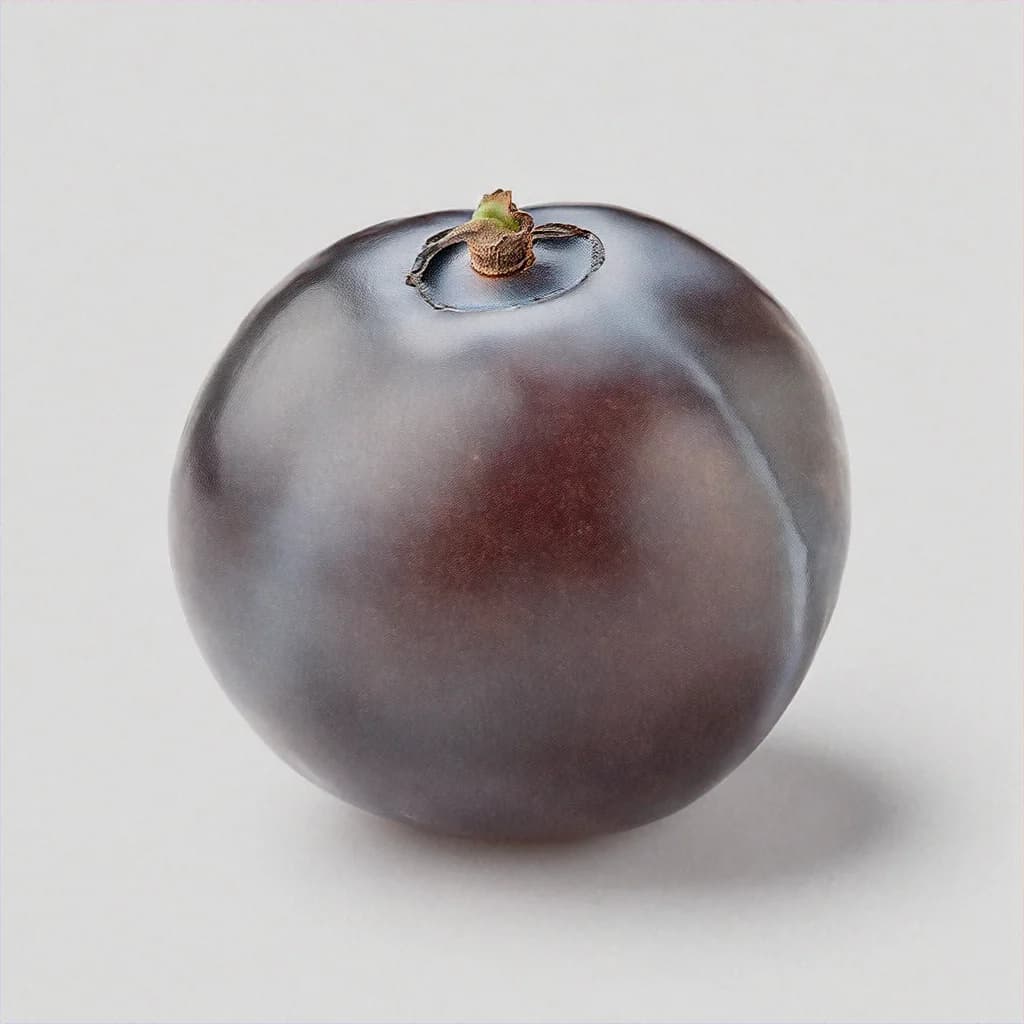
Uva de Playa
Coccoloba uvifera
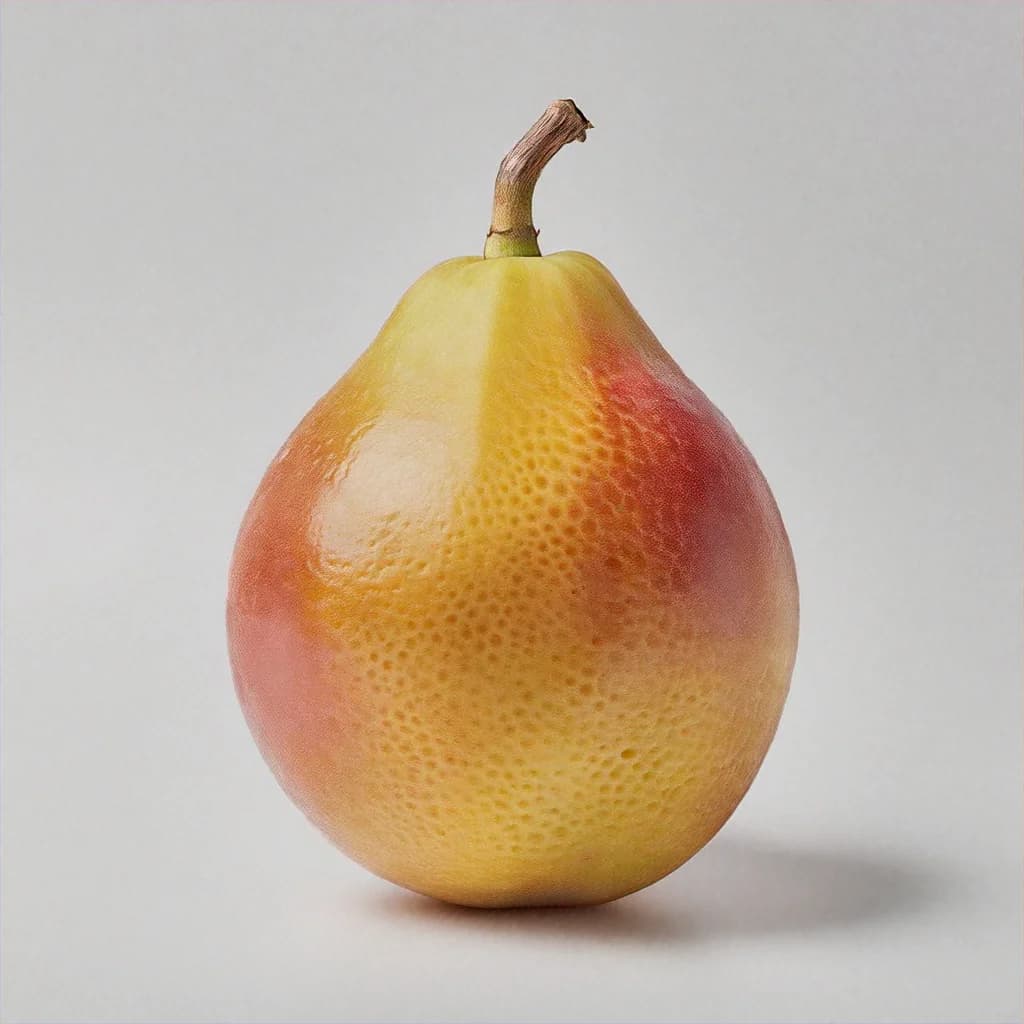
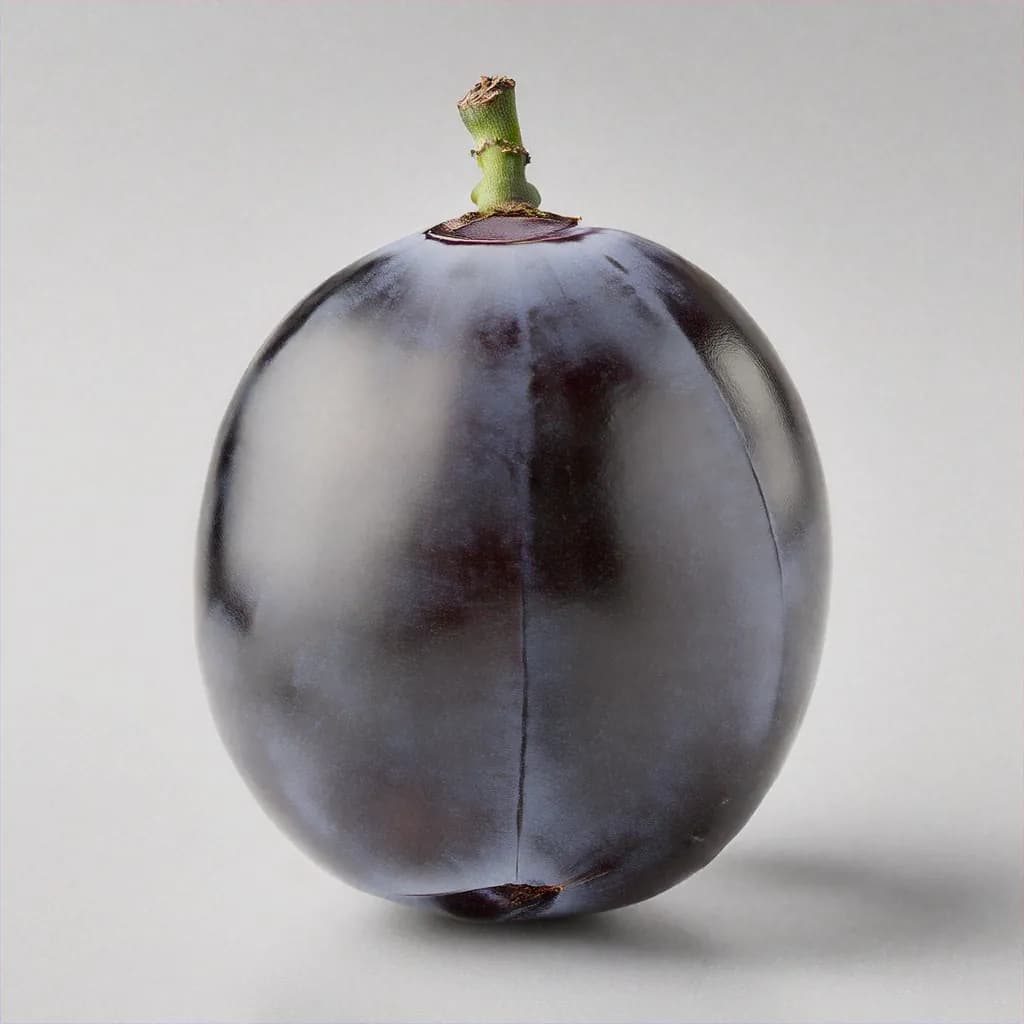
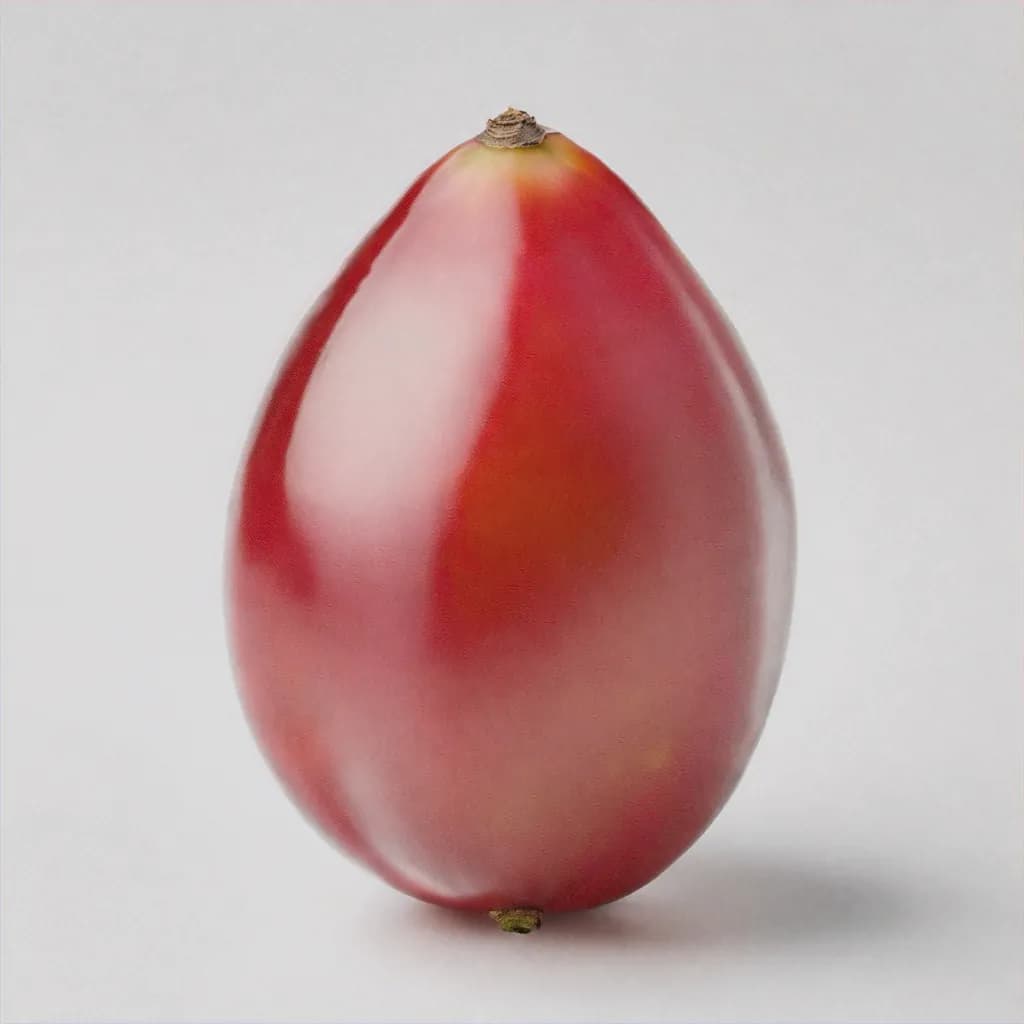
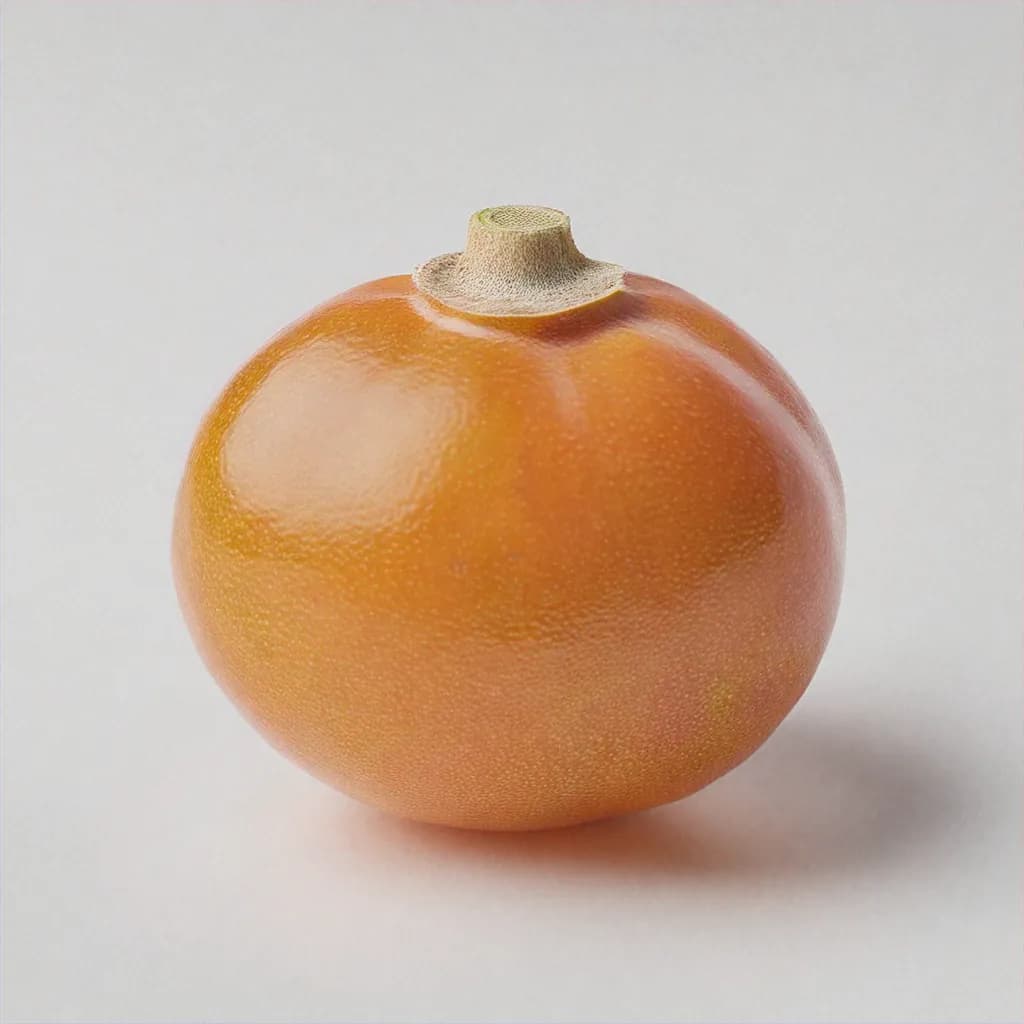
Uva de Playa, also known as Seagrape, is a tropical fruit native to coastal regions of the Caribbean, Central America, and South America. This fruit grows on the Coccoloba uvifera tree, which thrives in sandy, saline soils near beaches. The fruit itself is small, round, and grows in clusters, resembling grapes. Its flesh is juicy and tart, with a flavor profile that combines notes of citrus and tart apples. Rich in antioxidants and vitamins, Uva de Playa is not only a delightful snack but also a nutritional powerhouse. Its culinary versatility makes it a favorite in jams, jellies, and even wines, while its ornamental value adds charm to coastal landscapes.
Uva de Playa Galeria de fotos
Explore Uva de Playa em detalhes
Uva de Playa - Vista principal
Uva de Playa Informações nutricionais
💊Vitaminas
Por 100 g
⚡Minerais
Por 100 g
Por porção
Detalhamento nutricional por porção
Benefícios para a saúde de Uva de Playa
Uva de Playa Origem e distribuição
Caribbean, Central America, South America
Uva de Playa has been a staple in coastal communities for centuries, valued for its edible fruit and its ability to stabilize sandy soils. Its resilience to saline conditions makes it a vital part of coastal ecosystems.
Uva de Playa Melhor época
Summer to Early Fall
Uva de Playa Variedades
Cada variedade oferece sabores, texturas e usos culinários únicos
Common Seagrape
Green Seagrape
Uva de Playa Guia de armazenamento e seleção
Mantenha a fruta fresca por mais tempo
Como escolher a fruta perfeita
Look for firm, plump fruits with no signs of shriveling.
Select fruits with a deep, uniform color, ranging from purple to reddish-brown.
Métodos de armazenamento
Store in a cool, dry place away from direct sunlight.
Refrigerate to extend shelf life.
Guia de validade
Instruções para congelar
Preserve a frescura por meses
Freeze whole or pureed for use in smoothies or jams.
Store in airtight containers to prevent freezer burn.
Dica
Identifique itens congelados com a data para acompanhar a frescura. A maioria das frutas mantém a qualidade por 2-3 meses quando congelada corretamente. Para melhores resultados, use recipientes herméticos ou sacos próprios para congelador para evitar queimadura de freezer.
Jornada culinária
Descubra possibilidades deliciosas
Usos comuns
Combinações perfeitas
Receitas populares
Bebidas refrescantes
Informações de segurança
Allergies to Uva de Playa are rare but possible, especially for those allergic to related fruits.
Uva de Playa is generally low in pesticide residues due to its natural growing conditions.
- • Individuals with known allergies to related fruits.
- • People with sensitive stomachs, as the tartness may cause discomfort.
- •Possible stomach discomfort in sensitive individuals.
- •Allergic reactions in rare cases.
- • Wash thoroughly before consuming.
- • Avoid consuming unripe fruits, as they may cause digestive issues.
Curiosidades sobre Uva de Playa
Fatos surpreendentes que você vai amar!
Uva de Playa trees are often planted to stabilize sandy soils and prevent erosion.
The fruit’s name, 'Seagrape,' comes from its grape-like appearance and coastal habitat.
Perguntas frequentes
What does Uva de Playa taste like?
GeneralUva de Playa has a tart, slightly sweet flavor similar to a blend of citrus and tart apples.
How can I tell if Uva de Playa is ripe?
BuyingRipe Uva de Playa will be firm, plump, and have a deep, uniform color, usually purple to reddish-brown.
How long does Uva de Playa last in the refrigerator?
StorageUva de Playa can last up to 2 weeks when refrigerated properly.
Can Uva de Playa be used in baking?
CulinaryYes, Uva de Playa can be used in baking, particularly in jams, jellies, and as a filling for pastries.
Is Uva de Playa high in sugar?
NutritionUva de Playa contains about 12.8g of sugar per 100g, making it moderately sweet.
Are there any health risks associated with eating Uva de Playa?
HealthUva de Playa is generally safe, but individuals with allergies to related fruits should exercise caution.
Can Uva de Playa be grown indoors?
MiscellaneousUva de Playa trees are best grown outdoors in coastal regions with sandy, saline soils.