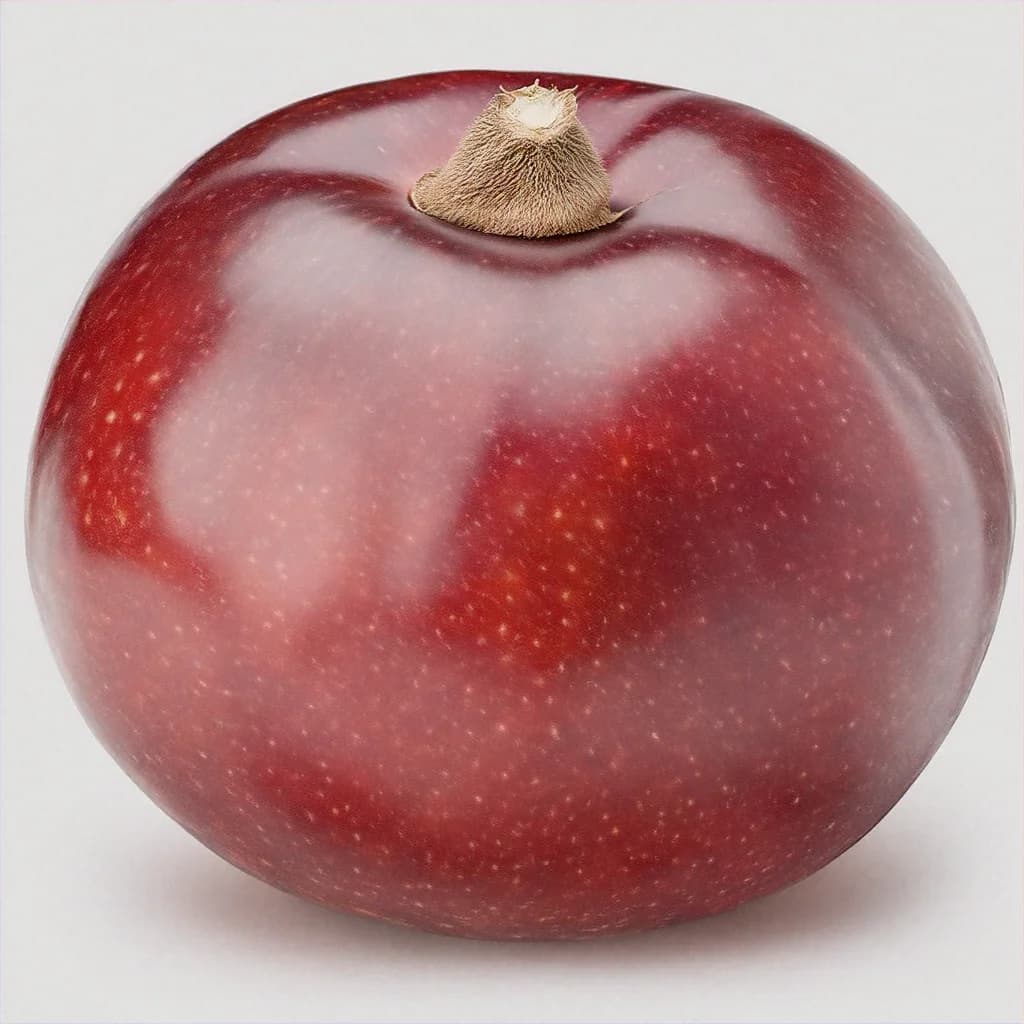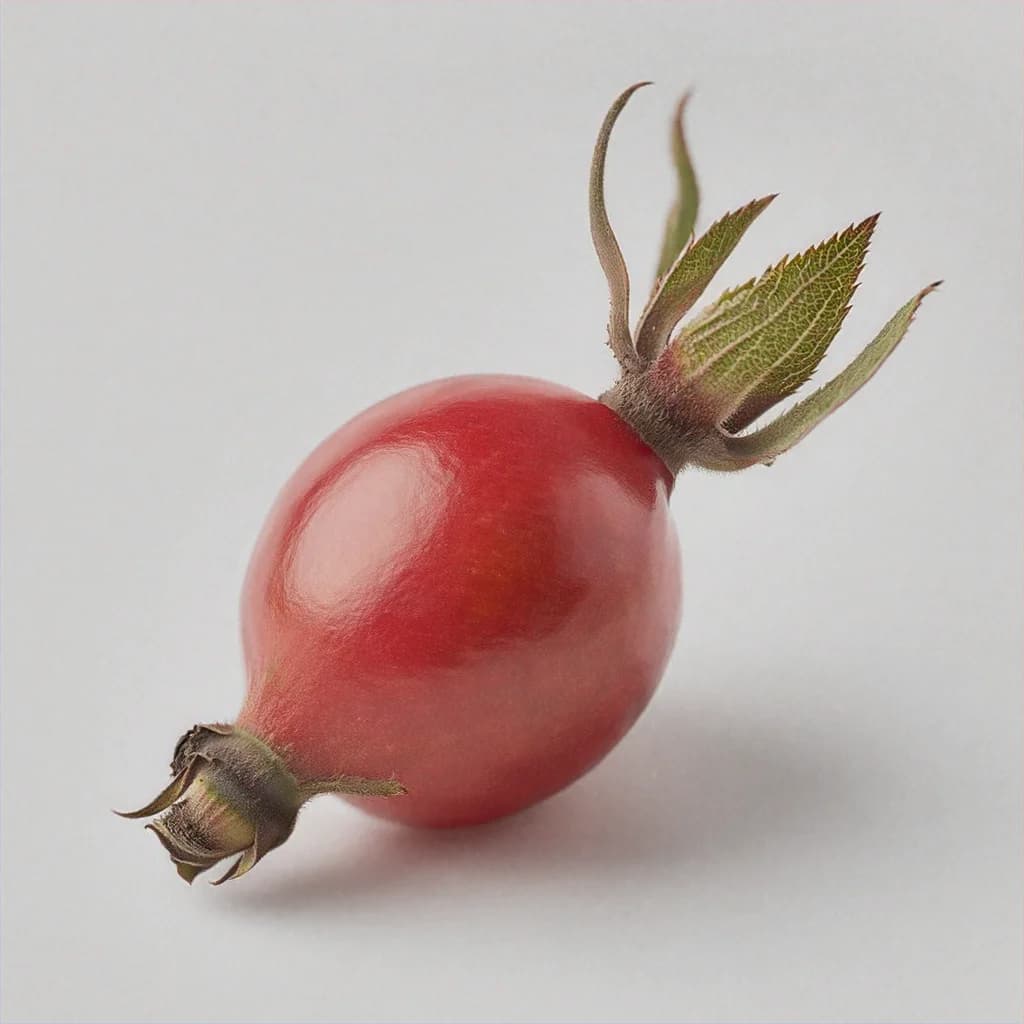
Rose Hip
Rosa canina
Rose hips, the vibrant fruit of the rose plant, are a botanical marvel often overlooked in the world of culinary and medicinal delights. Known scientifically as Rosa canina, these small, berry-like fruits are packed with a plethora of essential vitamins, minerals, and antioxidants. Bursting with a tart, tangy flavor, rose hips have been used for centuries in traditional medicine and are a staple in herbal teas, jams, and syrups. Their rich nutritional profile, particularly their high vitamin C content, makes them a potent ally in boosting immunity and supporting overall health. Whether enjoyed fresh, dried, or in supplement form, rose hips offer a delightful blend of flavor and wellness benefits.
Rose Hip Galeria de fotos
Explore Rose Hip em detalhes
Rose Hip - Vista principal
Rose Hip Informações nutricionais
💊Vitaminas
Por 100 g
⚡Minerais
Por 100 g
Por porção
Detalhamento nutricional por porção
Benefícios para a saúde de Rose Hip
Rose Hip Origem e distribuição
Europe, Asia, and North Africa
Rose hips have been used for centuries in traditional medicine, particularly in European and Middle Eastern cultures. During World War II, rose hips were a primary source of vitamin C in Britain due to citrus fruit shortages. Today, they are widely recognized for their nutritional and medicinal properties.
Rose Hip Melhor época
Late summer to early autumn
Rose Hip Variedades
Cada variedade oferece sabores, texturas e usos culinários únicos
Dog Rose (Rosa canina)
Rugosa Rose (Rosa rugosa)
Rose Hip Guia de armazenamento e seleção
Mantenha a fruta fresca por mais tempo
Como escolher a fruta perfeita
Select rose hips that are plump, firm, and free of blemishes.
Look for a vibrant red or orange-red color, which indicates ripeness.
Avoid shriveled or overly soft rose hips, as they may be past their prime.
Métodos de armazenamento
Store fresh rose hips in a cool, dry place for up to 2 weeks.
Refrigerate in an airtight container for extended shelf life (up to 1 month).
Dried rose hips can be stored in a sealed container at room temperature for up to 6 months.
Guia de validade
Instruções para congelar
Preserve a frescura por meses
Freeze fresh rose hips in a single layer on a baking sheet before transferring to an airtight container.
Frozen rose hips can be used in smoothies, teas, and baking for up to 6 months.
Dica
Identifique itens congelados com a data para acompanhar a frescura. A maioria das frutas mantém a qualidade por 2-3 meses quando congelada corretamente. Para melhores resultados, use recipientes herméticos ou sacos próprios para congelador para evitar queimadura de freezer.
Jornada culinária
Descubra possibilidades deliciosas
Usos comuns
Combinações perfeitas
Receitas populares
Bebidas refrescantes
Informações de segurança
Rose hips are generally safe, but some people may experience allergic reactions. Avoid consuming the seeds in large quantities, as they can cause irritation.
Rose hips are generally low in pesticide residues, but it is always best to choose organically grown varieties when possible.
- • Individuals with known allergies to rose plants
- • People with sensitive digestive systems
- • Those with a history of kidney stones (due to high oxalate content)
- •Allergic reactions (rare)
- •Digestive discomfort if consumed in excess
- •Irritation from seeds if ingested in large quantities
- • Wash rose hips thoroughly before use to remove dirt and residue.
- • Remove the seeds before consuming to avoid irritation.
- • Avoid overheating rose hips when cooking to preserve their nutritional content.
Curiosidades sobre Rose Hip
Fatos surpreendentes que você vai amar!
Rose hips were a primary source of vitamin C in Britain during World War II when citrus fruits were scarce.
The seeds inside rose hips are often used to make itching powder due to their tiny hairs, which can irritate the skin.
Rose hips have been used in traditional medicine for centuries to treat colds, flu, and inflammation.
The bright red color of rose hips comes from carotenoids, which are powerful antioxidants.
Perguntas frequentes
What are rose hips?
GeneralRose hips are the fruit of the rose plant, typically from the Rosa canina species. They are small, berry-like, and rich in nutrients like vitamin C, antioxidants, and fiber.
How do I know if rose hips are ripe?
BuyingRipe rose hips are firm, plump, and have a vibrant red or orange-red color. They should be free of blemishes and not overly soft or shriveled.
Can I freeze rose hips?
StorageYes, rose hips can be frozen. Spread them in a single layer on a baking sheet, freeze, and then transfer to an airtight container. Frozen rose hips can be used in teas, smoothies, and baking.
What are some common culinary uses for rose hips?
CulinaryRose hips are commonly used in herbal teas, jams, syrups, baked goods, and salads. Their tart flavor pairs well with sweeteners like honey and spices like cinnamon.
Are rose hips high in vitamin C?
NutritionYes, rose hips are exceptionally high in vitamin C, containing about 426 mg per 100 grams, which is significantly higher than citrus fruits.
Do rose hips have any side effects?
HealthRose hips are generally safe, but some people may experience allergic reactions. The seeds inside the fruit can cause irritation if consumed in large quantities. Always consult a healthcare provider before adding new supplements to your diet.
Can I grow rose hips at home?
MiscellaneousYes, rose hips can be grown at home by planting rose bushes, particularly the Rosa canina variety. They thrive in well-drained soil and require full sun for optimal growth.
.webp&w=3840&q=75)