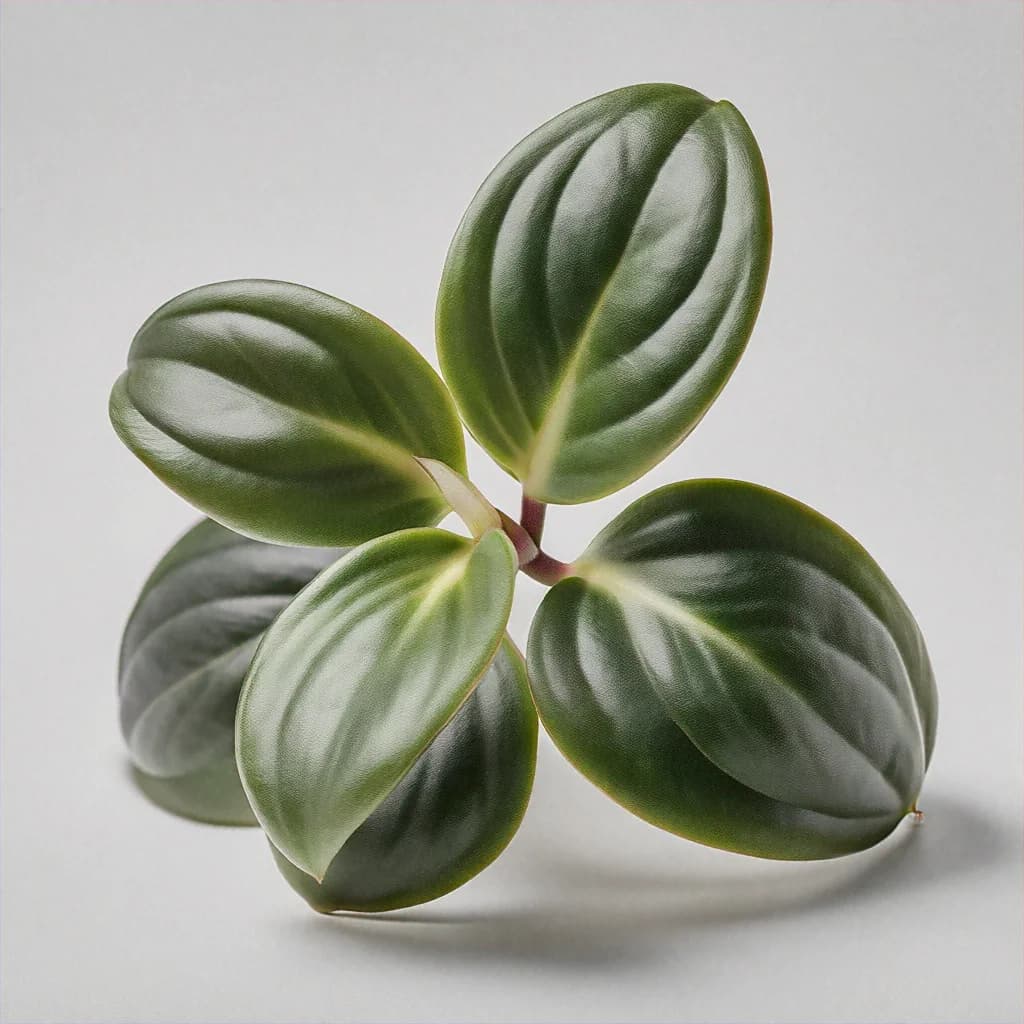
Peperomia
Peperomia spp.
Peperomia, a diverse genus of tropical and subtropical plants, is often cultivated for its ornamental value rather than its fruit. While not a traditional fruit in the culinary sense, some species produce small, often inedible berries. Peperomia plants are prized for their attractive foliage and adaptability to indoor environments. They thrive in bright, indirect light and require minimal care, making them popular houseplants. Peperomia species are known for their air-purifying qualities and are often used in terrariums or as decorative accents in homes and offices. While not typically consumed, the leaves and stems of certain species have been used in traditional medicine for their purported health benefits.
Peperomia Galeria de fotos
Explore Peperomia em detalhes
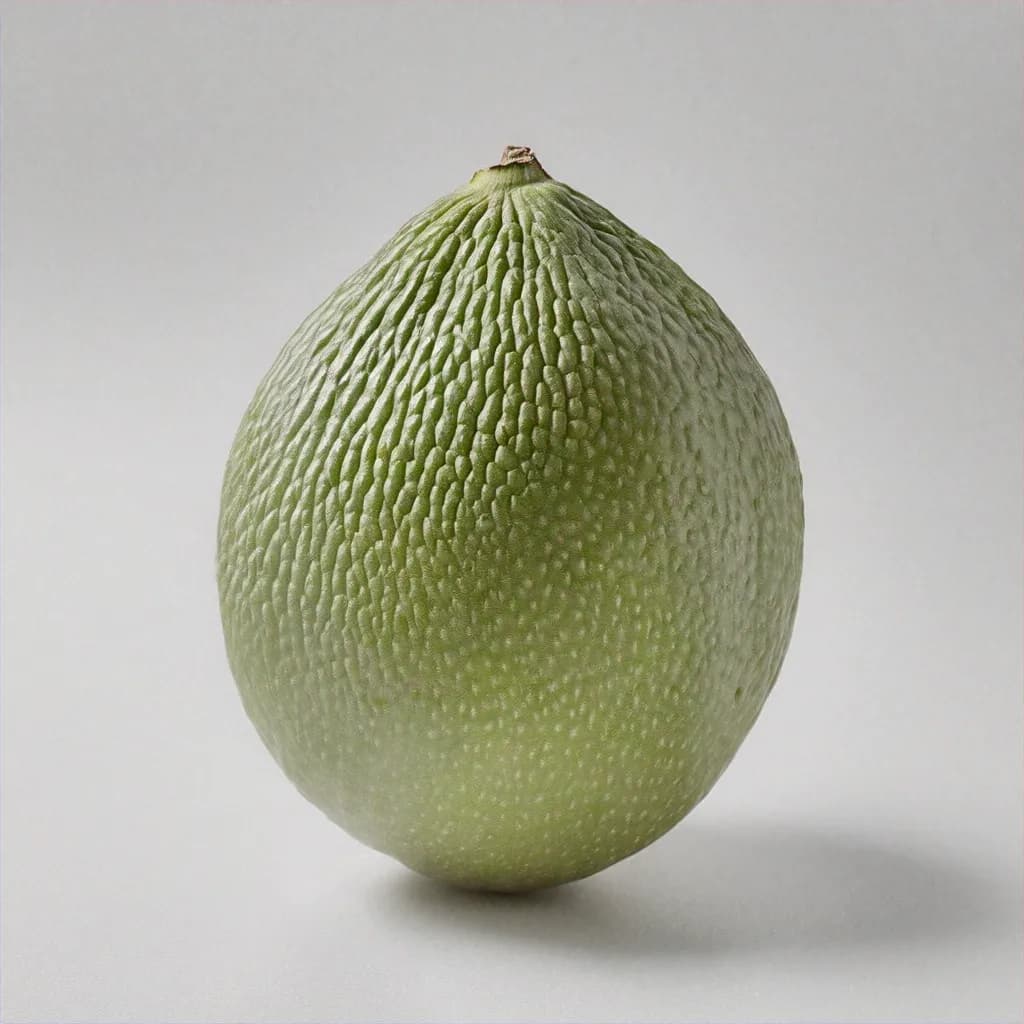
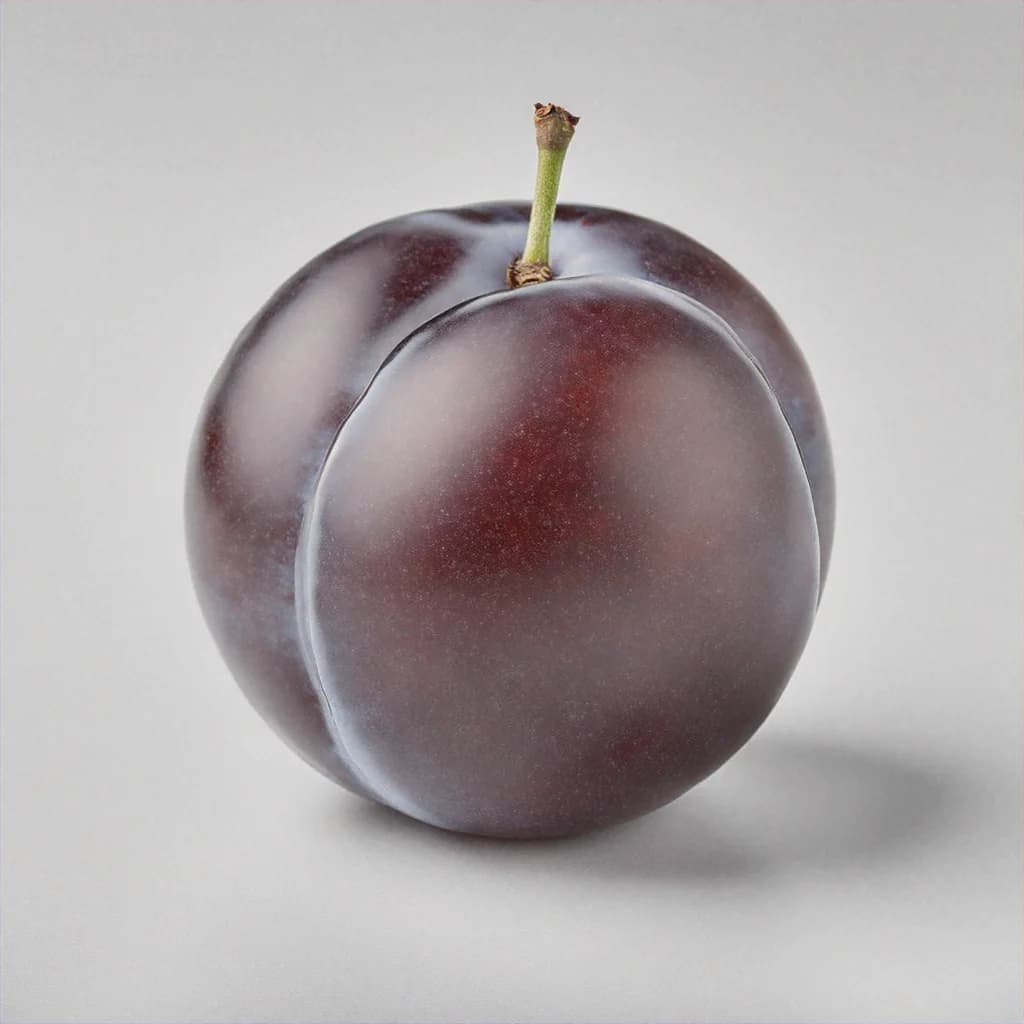
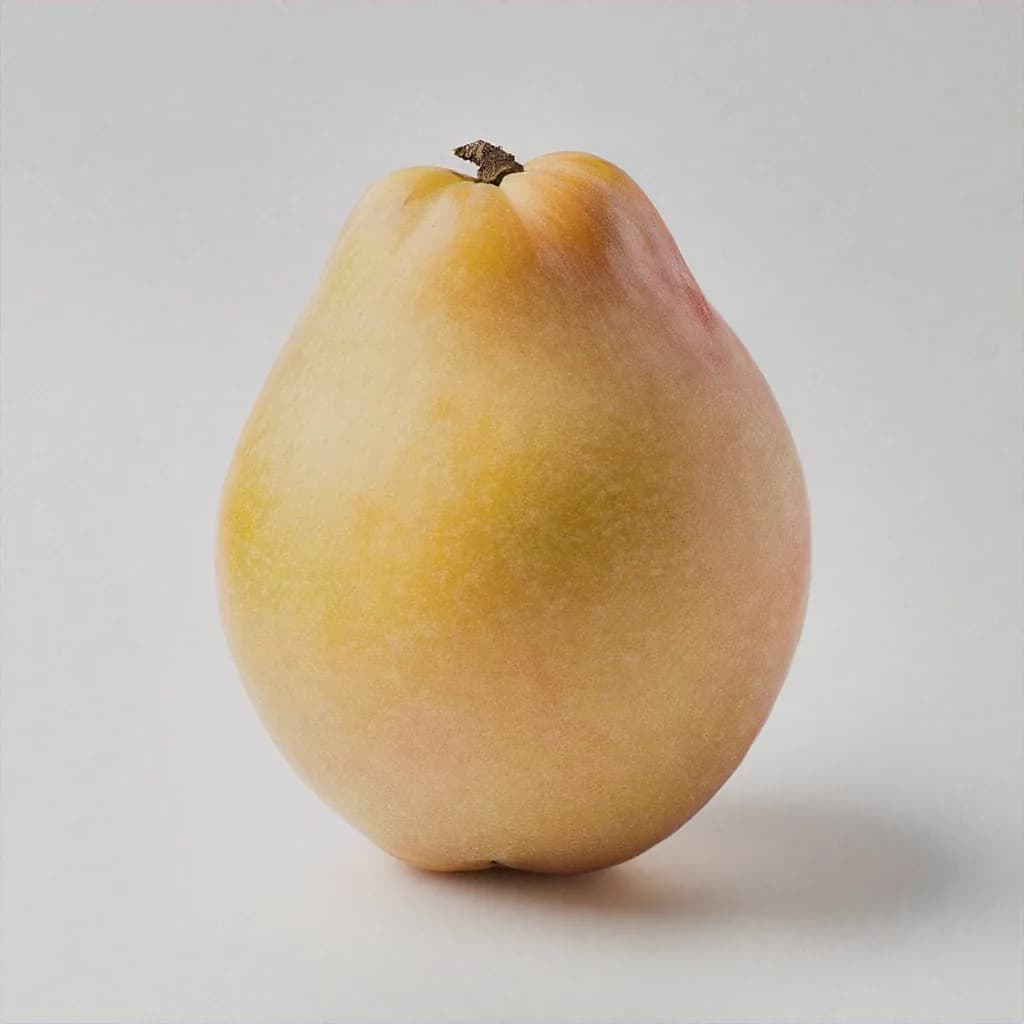
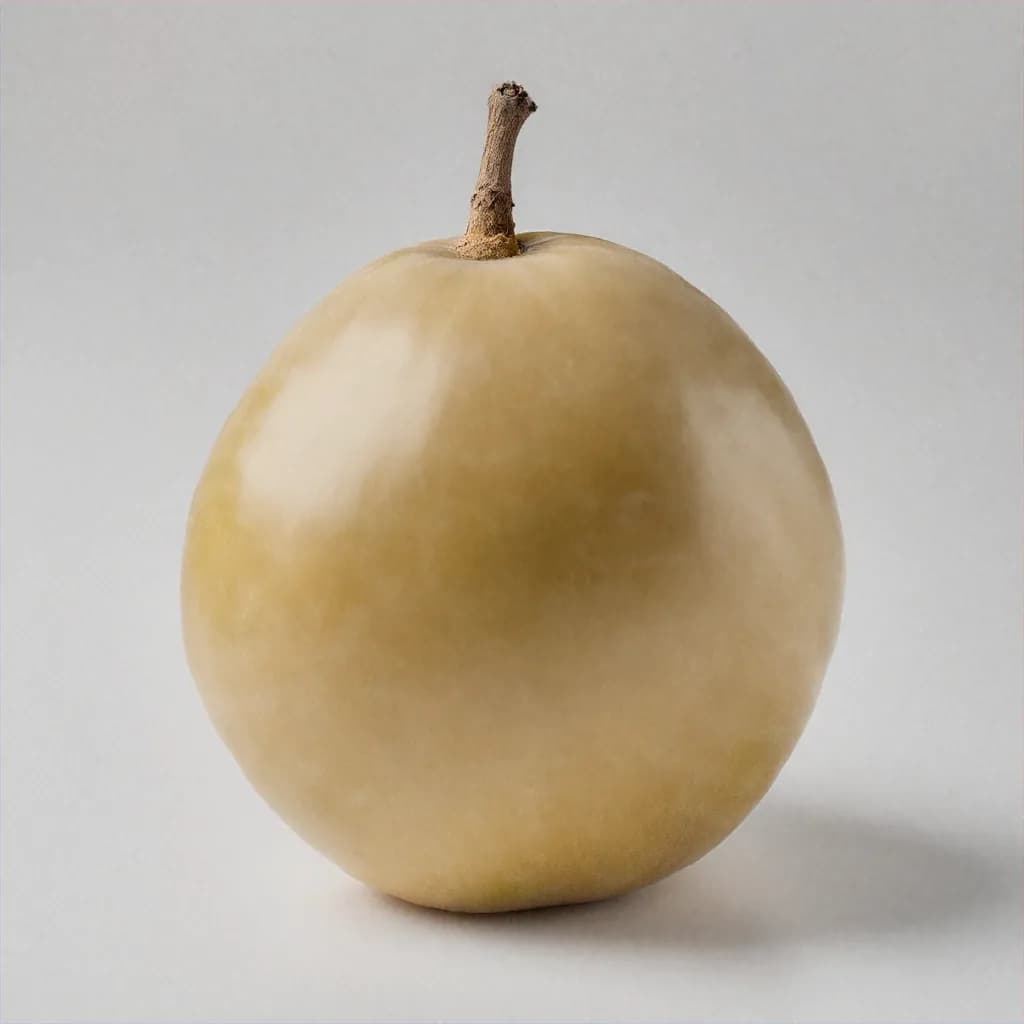
Peperomia - Vista principal
Peperomia Informações nutricionais
💊Vitaminas
Por 100 g
⚡Minerais
Por 100 g
Por porção
Detalhamento nutricional por porção
Benefícios para a saúde de Peperomia
Peperomia Origem e distribuição
Tropical and subtropical regions of Central and South America
Peperomia plants have been cultivated for centuries for their ornamental value and medicinal properties. They were traditionally used by indigenous communities for various health remedies.
Peperomia Melhor época
Year-round
Peperomia Variedades
Cada variedade oferece sabores, texturas e usos culinários únicos
Peperomia obtusifolia
Peperomia caperata
Peperomia Guia de armazenamento e seleção
Mantenha a fruta fresca por mais tempo
Como escolher a fruta perfeita
Look for plants with vibrant, healthy leaves.
Avoid plants with yellowing or wilting leaves.
Métodos de armazenamento
Keep in a well-lit area with indirect sunlight.
Water moderately, allowing the soil to dry slightly between waterings.
Guia de validade
Instruções para congelar
Preserve a frescura por meses
Not applicable for live plants.
Dica
Identifique itens congelados com a data para acompanhar a frescura. A maioria das frutas mantém a qualidade por 2-3 meses quando congelada corretamente. Para melhores resultados, use recipientes herméticos ou sacos próprios para congelador para evitar queimadura de freezer.
Jornada culinária
Descubra possibilidades deliciosas
Usos comuns
Combinações perfeitas
Receitas populares
Bebidas refrescantes
Informações de segurança
Some individuals may experience allergic reactions to Peperomia plants.
Peperomia plants are generally low in pesticide residues but may be treated with pesticides during cultivation.
- • Individuals with known allergies to Peperomia.
- •Possible skin irritation or allergic reactions.
- • Wash hands after handling Peperomia plants to avoid potential skin irritation.
Curiosidades sobre Peperomia
Fatos surpreendentes que você vai amar!
Peperomia plants are often referred to as 'radiator plants' due to their ability to thrive in warm, dry indoor environments.
Some Peperomia species are epiphytes, meaning they grow on other plants or surfaces.
Perguntas frequentes
What are the benefits of keeping Peperomia plants indoors?
GeneralPeperomia plants are known for their air-purifying qualities and can help remove toxins from indoor environments.
How do I select a healthy Peperomia plant?
BuyingLook for plants with vibrant, healthy leaves and avoid those with yellowing or wilting foliage.
How should I store Peperomia plants?
StorageKeep them in a well-lit area with indirect sunlight and water moderately, allowing the soil to dry slightly between waterings.
Can Peperomia be used in cooking?
CulinaryPeperomia is not typically used in cooking, but some species may be used in traditional herbal teas.
What nutritional benefits does Peperomia offer?
NutritionPeperomia contains antioxidants, vitamin C, and fiber, which can support overall health.
Are there any health concerns with Peperomia?
HealthWhile generally safe, some individuals may experience allergic reactions to Peperomia plants.
Can Peperomia plants be frozen?
MiscellaneousPeperomia plants should not be frozen as they are live plants and will not survive freezing temperatures.