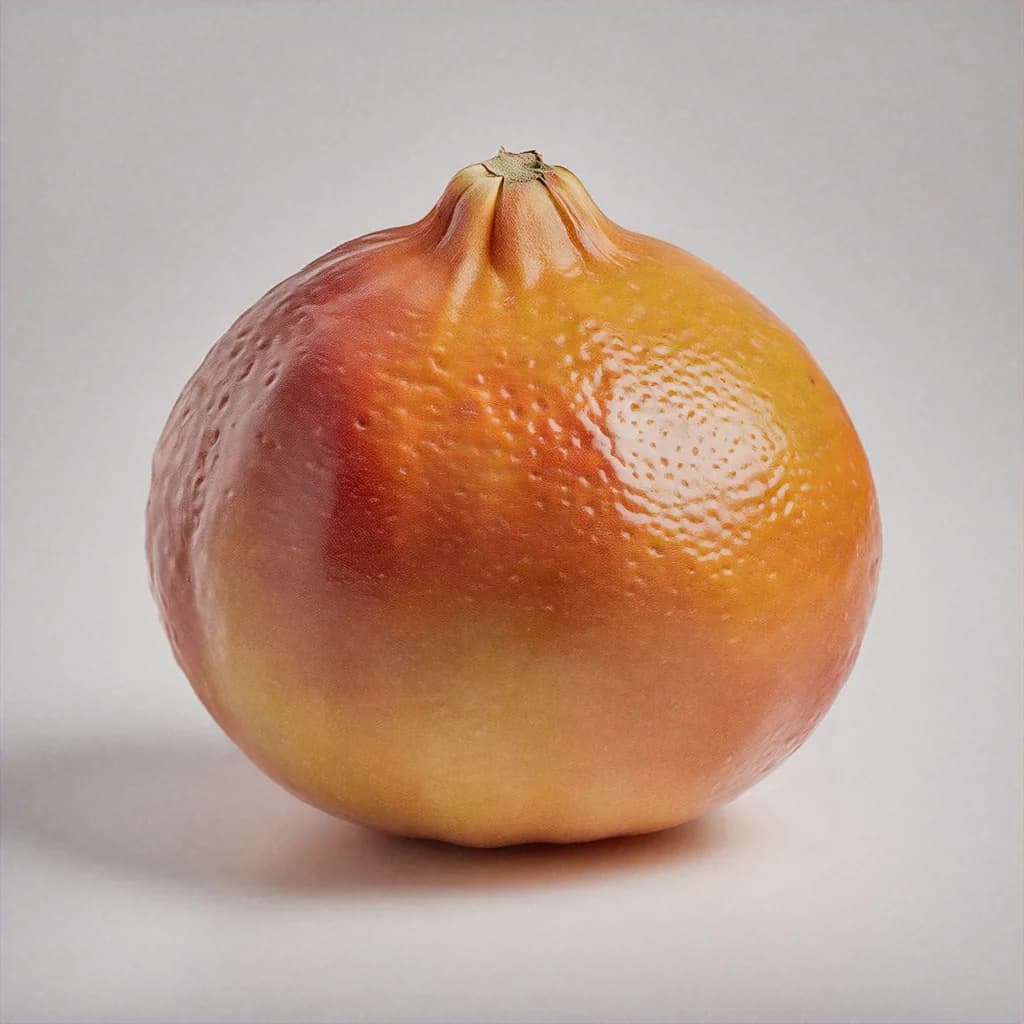
Chebula
Terminalia chebula
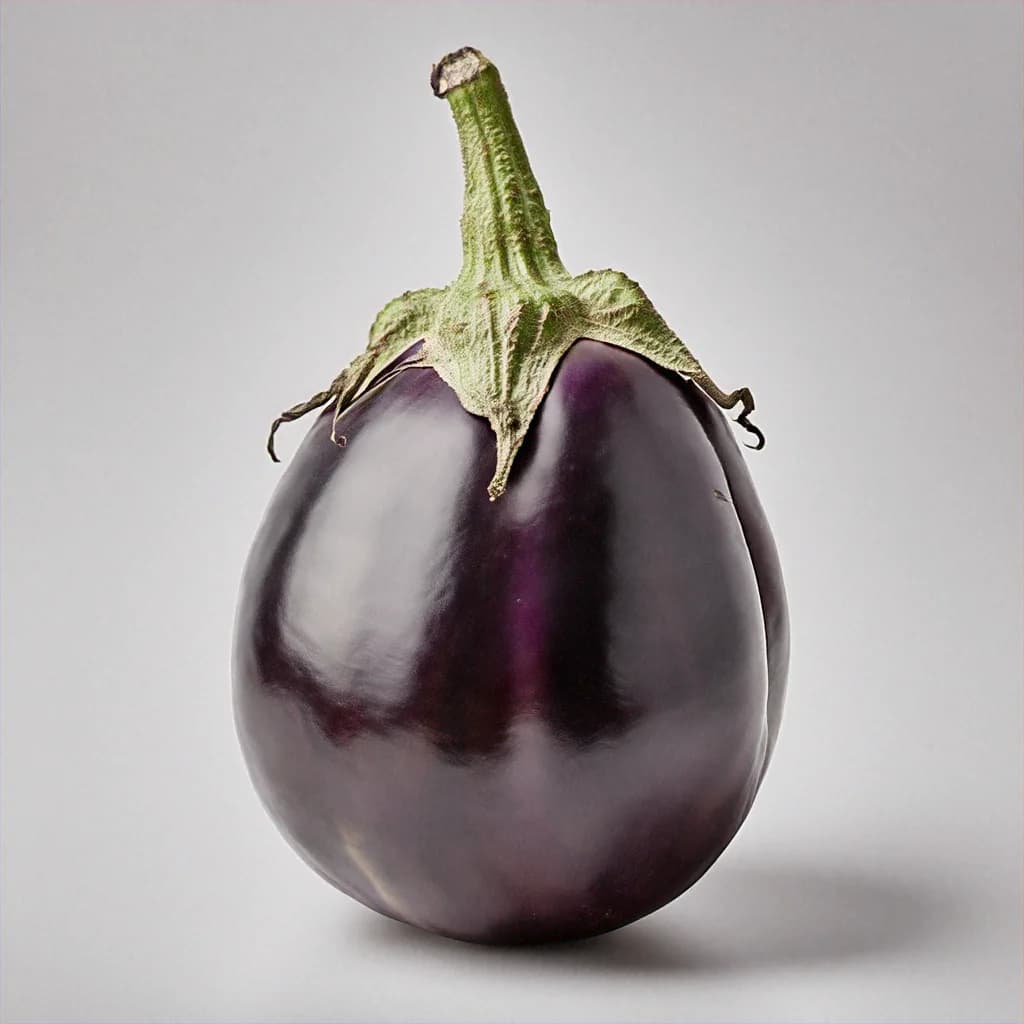
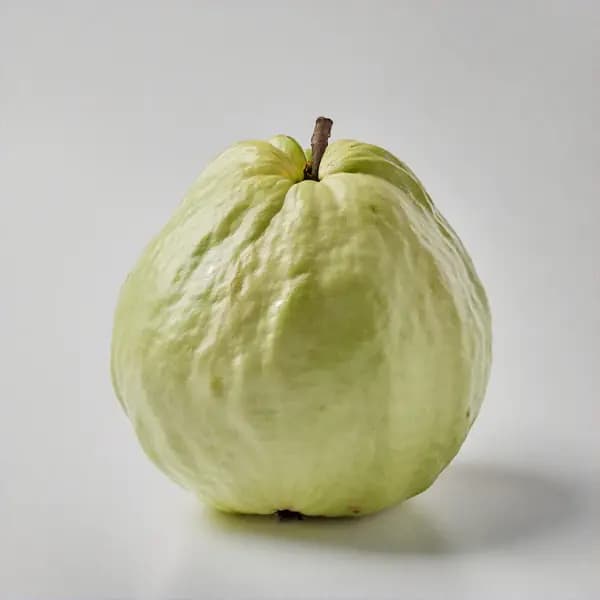
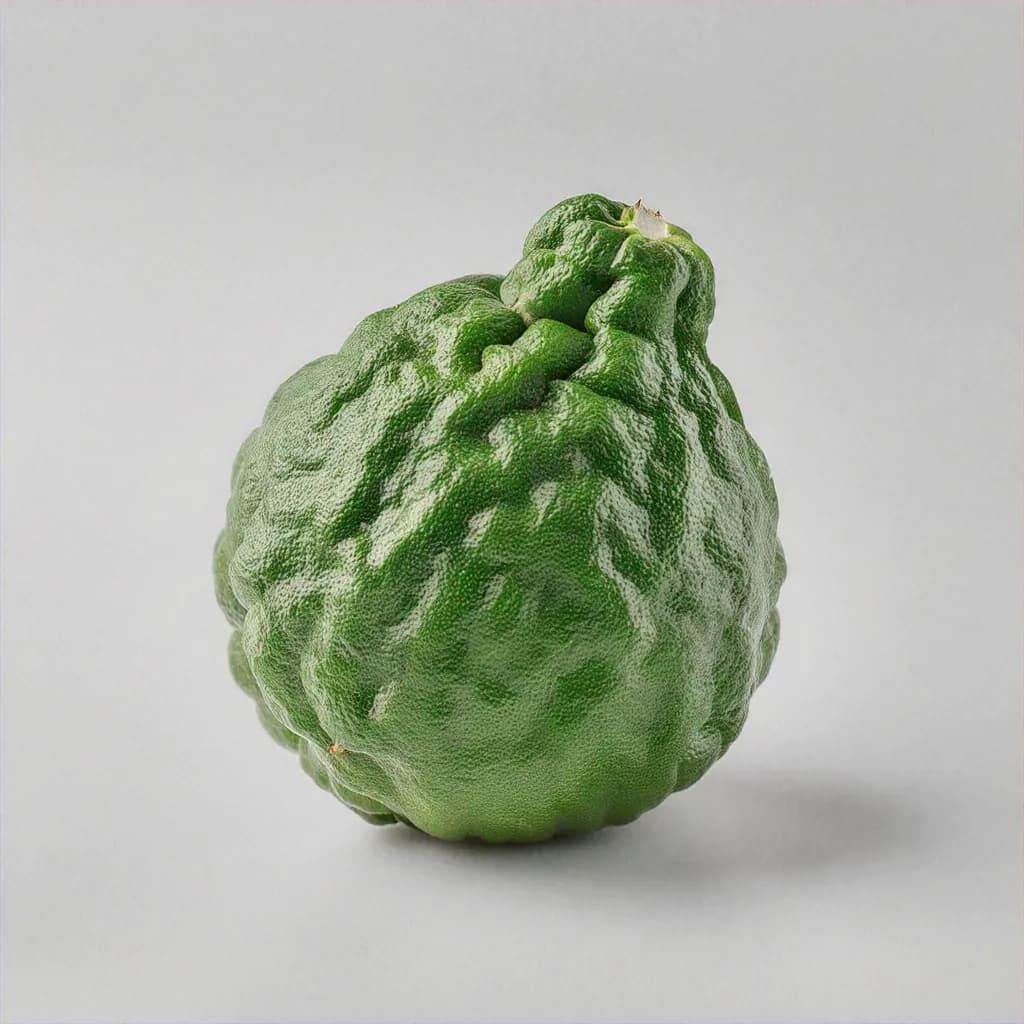
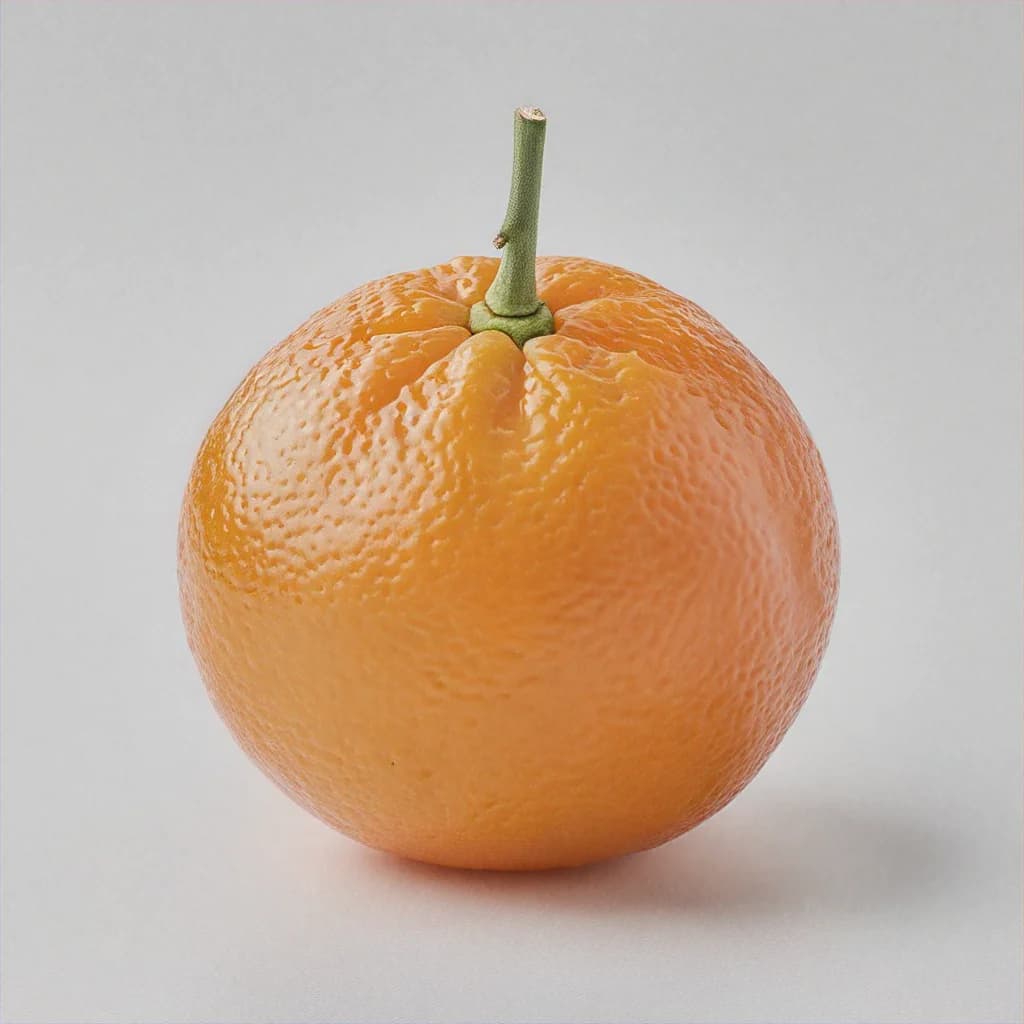
Chebula, scientifically known as Terminalia chebula, is a revered fruit in traditional medicine, particularly in Ayurveda. Native to Southeast Asia, it is often referred to as the 'King of Medicines' due to its extensive health benefits. The fruit is small, round, and greenish-yellow when ripe, with a tart, astringent flavor. Its medicinal properties are attributed to its rich phytochemical composition, including tannins, flavonoids, and phenolic compounds. Chebula is not only used for its therapeutic value but also as a natural dye and in culinary applications, adding a unique tang to dishes. Its cultural significance and versatility make it a fascinating subject for both botanical and nutritional studies.
Chebula Galeria de fotos
Explore Chebula em detalhes
Chebula - Vista principal
Chebula Informações nutricionais
💊Vitaminas
Por 100 g
⚡Minerais
Por 100 g
Por porção
Detalhamento nutricional por porção
Benefícios para a saúde de Chebula
Chebula Origem e distribuição
Southeast Asia
Chebula has been used in Ayurvedic medicine for over 3,000 years. It is mentioned in ancient texts for its rejuvenating and healing properties.
Chebula Melhor época
Harvested in late summer to early autumn.
Chebula Variedades
Cada variedade oferece sabores, texturas e usos culinários únicos
Small Chebula
Large Chebula
Chebula Guia de armazenamento e seleção
Mantenha a fruta fresca por mais tempo
Como escolher a fruta perfeita
Select firm, unblemished fruits.
Avoid overly soft or shriveled fruits.
Métodos de armazenamento
Store in a cool, dry place.
Refrigerate for extended shelf life.
Guia de validade
Instruções para congelar
Preserve a frescura por meses
Freeze whole or sliced for up to 3 months.
Store in an airtight container to preserve freshness.
Dica
Identifique itens congelados com a data para acompanhar a frescura. A maioria das frutas mantém a qualidade por 2-3 meses quando congelada corretamente. Para melhores resultados, use recipientes herméticos ou sacos próprios para congelador para evitar queimadura de freezer.
Jornada culinária
Descubra possibilidades deliciosas
Usos comuns
Combinações perfeitas
Receitas populares
Bebidas refrescantes
Informações de segurança
Allergic reactions to Chebula are rare but possible. Discontinue use if symptoms occur.
Organic Chebula is preferred to minimize pesticide exposure.
- • Pregnant women
- • Individuals on blood thinners
- • People with diabetes
- •May cause stomach upset in high doses.
- •Potential interactions with medications.
- • Wash thoroughly before use.
- • Avoid consuming unripe fruits.
Curiosidades sobre Chebula
Fatos surpreendentes que você vai amar!
Chebula is known as the 'King of Medicines' in Ayurveda.
It has been used for over 3,000 years in traditional medicine.
Perguntas frequentes
What is Chebula?
GeneralChebula (Terminalia chebula) is a fruit native to Southeast Asia, known for its medicinal properties and culinary uses.
How do I select ripe Chebula?
BuyingChoose firm, unblemished fruits with a greenish-yellow color.
How long can Chebula be stored?
StorageChebula can be stored for up to 1 week at room temperature or up to 2 weeks in the refrigerator.
Can Chebula be used in cooking?
CulinaryYes, Chebula is used in chutneys, pickles, and soups for its tangy flavor.
What are the health benefits of Chebula?
NutritionChebula is rich in antioxidants, supports digestive health, boosts immunity, and promotes heart health.
Does Chebula interact with medications?
HealthChebula may interact with blood thinners and diabetes medications. Consult a healthcare provider before use.
Can Chebula be frozen?
MiscellaneousYes, Chebula can be frozen whole or sliced for up to 3 months.