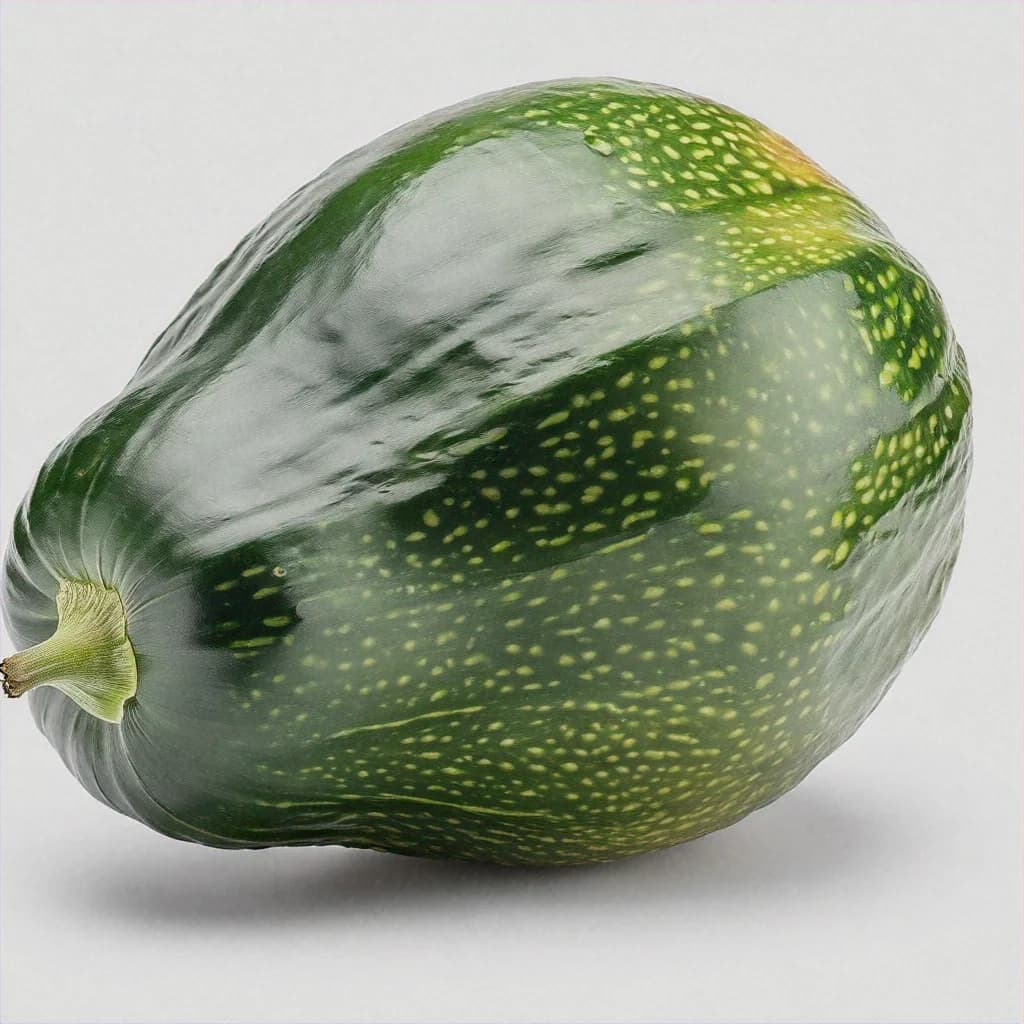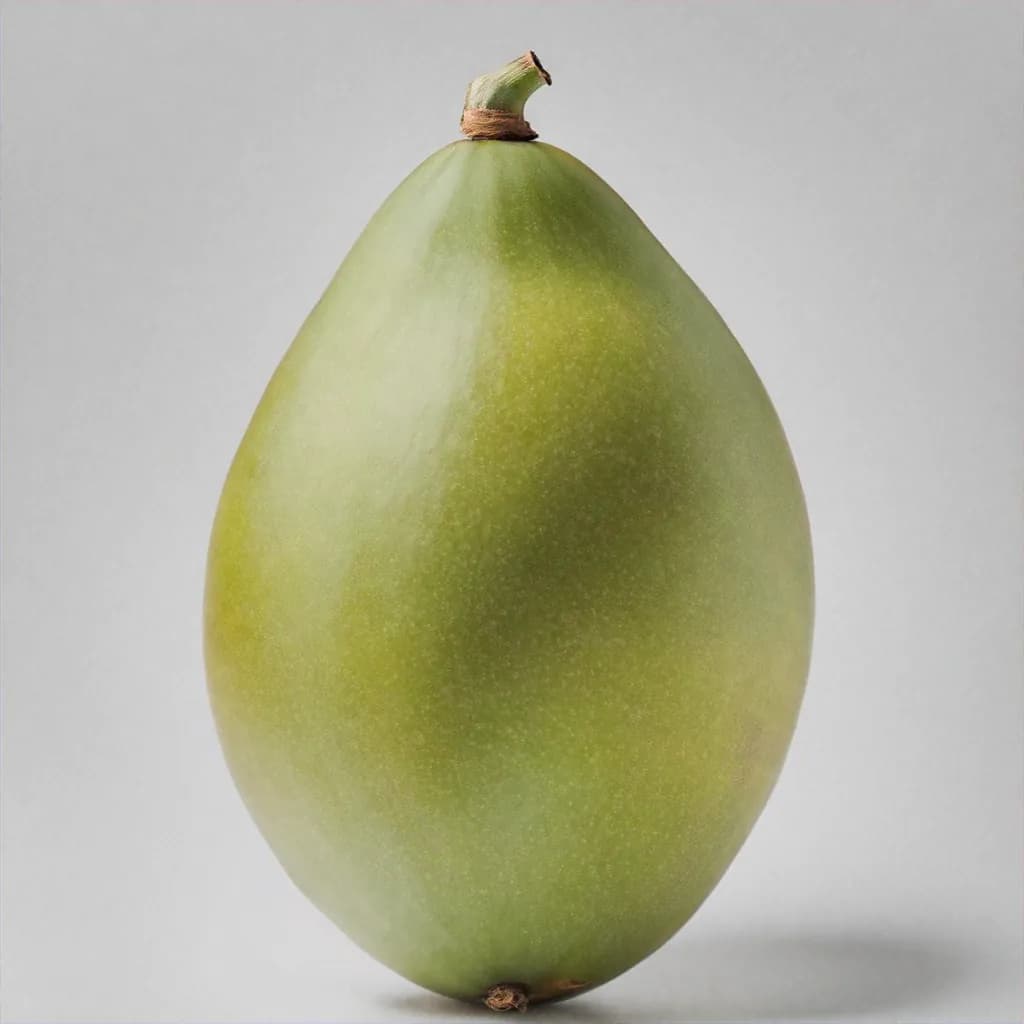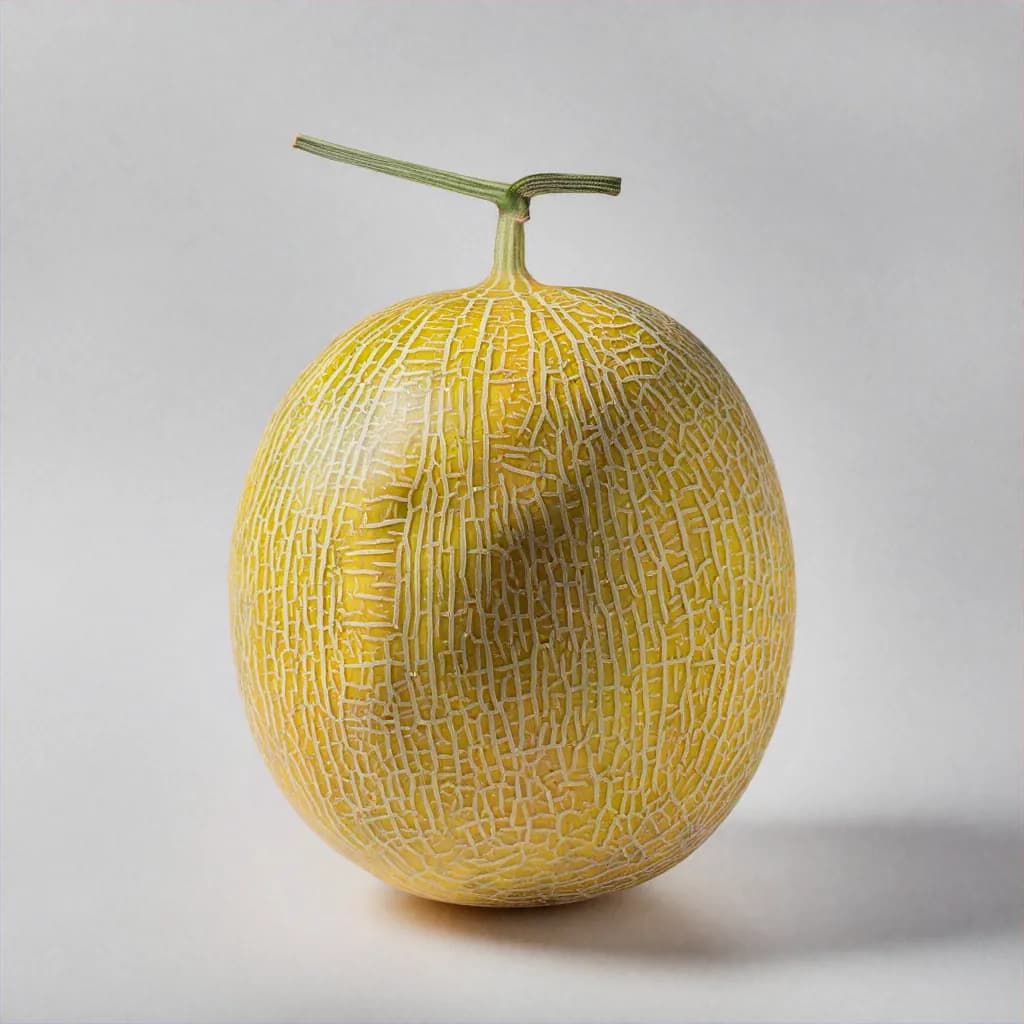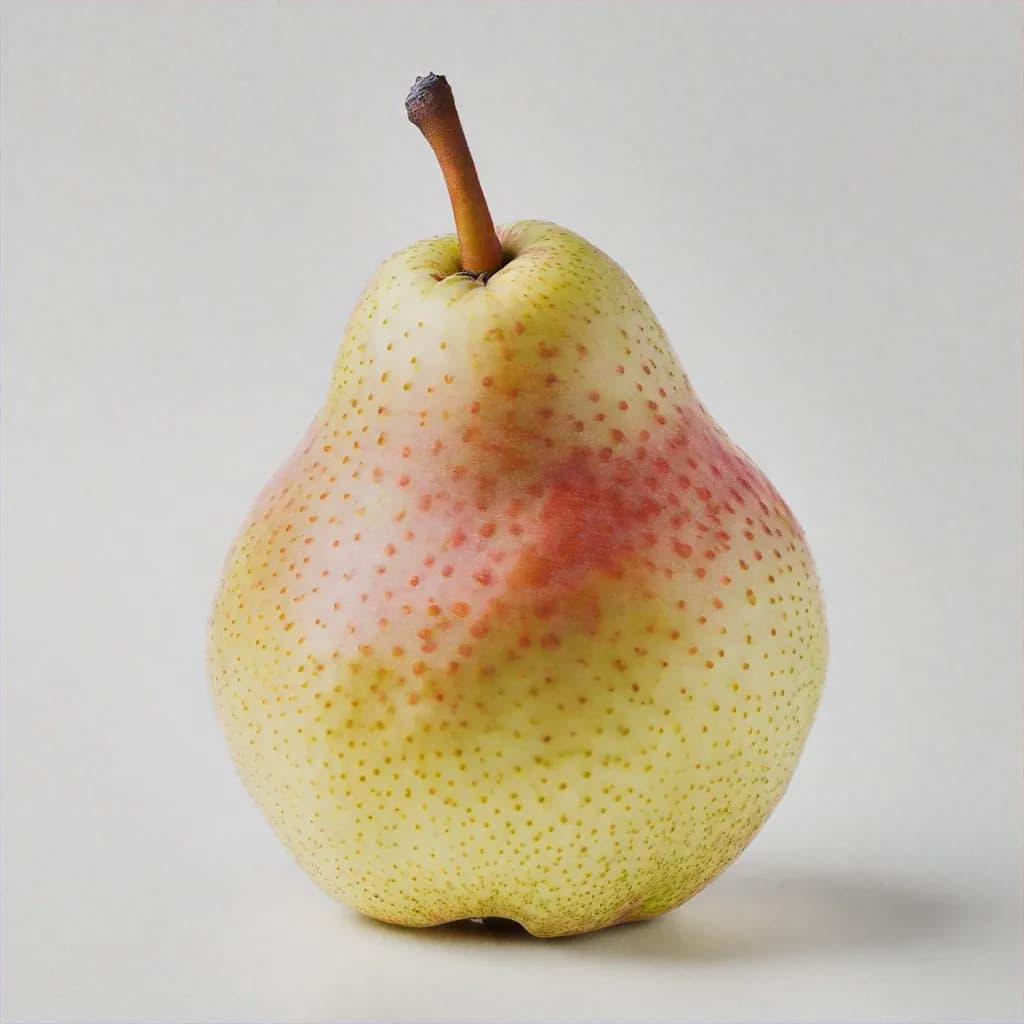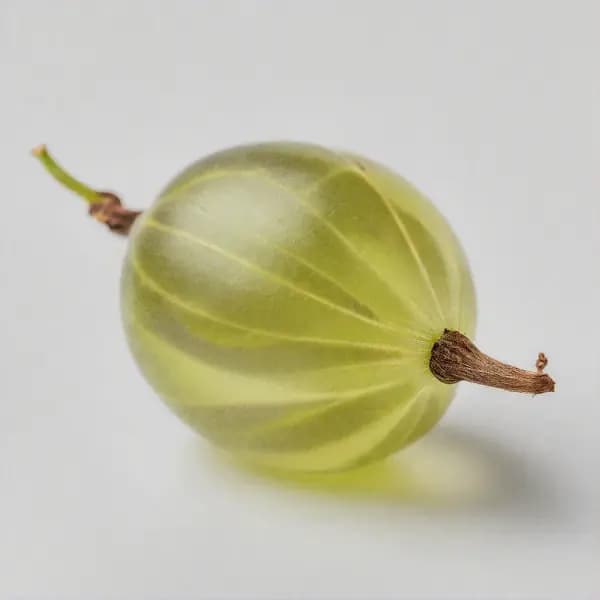
आंवला (गूजबेरी)
Ribes uva-crispa (European) / Ribes hirtellum (American)
आंवला, जिसे गूजबेरी के नाम से भी जाना जाता है, एक खट्टा और तीखा बेरी है जो किस्म और पकने के आधार पर हरे, लाल, बैंगनी या पीले रंग का होता है। इसका कुरकुरा गूदा और अनोखा खट्टा स्वाद इसे पकाने में खास बनाता है, जबकि ताजा खाने पर भी इसका स्वाद बढ़ता जा रहा है। ये छोटे आकार के बेरी करंट्स से करीब से संबंधित हैं (दोनों राइब्स जीनस के अंतर्गत आते हैं) और इन्हें यूरोप और एशिया में 1,000 से अधिक वर्षों से उगाया जा रहा है। ब्रिटिश और उत्तरी यूरोपीय व्यंजनों में इनका विशेष स्थान है, और पोषण से भरपूर होने के कारण ताजा खाने में भी इनकी लोकप्रियता बढ़ रही है। कच्चे आंवले का तीखापन पकने के साथ मीठे और जटिल स्वाद में बदल जाता है—कच्चे आंवले खट्टे होते हैं जो जैम और मिठाइयों के लिए आदर्श हैं, जबकि पके आंवले मीठे-खट्टे संतुलन के साथ ताजा खाने के लिए बेहतरीन होते हैं। आंवले पोषण से भरपूर होते हैं, जिनमें विटामिन सी की मात्रा (संतरे से भी अधिक), फाइबर, पोटैशियम और शक्तिशाली एंटीऑक्सीडेंट्स होते हैं। इनकी पतली त्वचा (जो अन्य बेरीज की तरह मोमी परत से रहित होती है) और नाजुक संरचना के कारण इन्हें लंबी दूरी तक ले जाना मुश्किल होता है, जिससे ताजे आंवले प्रमुख उत्पादक क्षेत्रों के बाहर कम उपलब्ध होते हैं। हालांकि, फ्रोजन और डिब्बाबंद आंवले उनके पोषण मूल्य को साल भर बनाए रखते हैं। हरे और लाल दोनों किस्में स्वास्थ्य लाभ प्रदान करती हैं, लेकिन लाल/गुलाबी आंवले में अतिरिक्त एंथोसायनिन एंटीऑक्सीडेंट्स होते हैं। आंवला एक बहुमुखी सुपरफ्रूट है जो पाक कला में लचीलापन और पोषण से भरपूर गुणों को जोड़ता है।
आंवला (गूजबेरी) फोटो गैलरी
आंवला (गूजबेरी) को शानदार विवरण में देखें
आंवला (गूजबेरी) - मुख्य दृश्य
आंवला (गूजबेरी) पोषण तथ्य
💊विटामिन
प्रति 100 ग्राम
⚡खनिज
प्रति 100 ग्राम
प्रति सर्विंग
एक सर्विंग का पोषण विवरण
आंवला (गूजबेरी) के स्वास्थ्य लाभ
आंवला (गूजबेरी) उत्पत्ति और वितरण
उत्तरी यूरोप और पश्चिमी एशिया
आंवले की खेती 1,000 से अधिक वर्षों से की जा रही है, जिसकी उत्पत्ति उत्तरी यूरोप और पश्चिमी एशिया में हुई थी जहां ये जंगली रूप में उगते थे। मध्यकालीन यूरोपीय मठों में आंवले को औषधीय और पाक उपयोग के लिए उगाया जाता था, जिससे सदियों तक इसकी खेती की नींव पड़ी। पुनर्जागरण काल तक आंवला यूरोपीय व्यंजनों में स्थापित हो चुका था, विशेष रूप से ब्रिटेन, स्कैंडिनेविया और जर्मनी में जहां ये आज भी सांस्कृतिक महत्व रखते हैं। ठंडे जलवायु में आसानी से उगने की क्षमता के कारण इसकी लोकप्रियता बढ़ी, जहां नाजुक फल नहीं उग सकते थे। ब्रिटेन में आंवले की संस्कृति विशेष रूप से विकसित हुई—प्रतिस्पर्धात्मक आंवला प्रदर्शनियां आयोजित होती थीं जहां किसान सबसे बड़े आंवले उगाने की प्रतियोगिता करते थे (कुछ विक्टोरियन काल के आंवले 1 पाउंड से अधिक वजन के होते थे), और आंवला जैम राष्ट्रीय व्यंजन बन गया। 'गूजबेरी फूल' (आंवले के साथ कस्टर्ड और क्रीम) ब्रिटिश मिठाई का पर्याय बन गया। उत्तरी यूरोप और रूस में भी आंवले का समान महत्व था, जहां ये पारंपरिक जैम, कंपोट और मिठाइयों में उपयोग किए जाते थे। यूरोपीय आंवला (Ribes uva-crispa, बड़े और चिकने बेरी) और अमेरिकी आंवला (Ribes hirtellum, छोटे और रोएंदार, अधिक रोग प्रतिरोधी) स्वतंत्र रूप से विकसित हुए। अमेरिकी आंवले मूल अमेरिकियों और बसने वालों द्वारा उगाए जाते थे। अमेरिकी किस्में, हालांकि शुरू में यूरोपीय किस्मों की तुलना में कम परिष्कृत थीं, लेकिन रोग प्रतिरोधकता के कारण प्रजनकों के लिए मूल्यवान साबित हुईं। उत्तरी अमेरिका में करंट और आंवले के आगमन से बेरी की विविधता बढ़ी। 19वीं और 20वीं शताब्दी में उत्तरी अमेरिका में आंवले ताजे बाजार में लोकप्रिय थे, लेकिन अन्य बेरीज के प्रभुत्व के कारण इनकी लोकप्रियता घट गई। हालांकि, हाल के दशकों में आंवले में फिर से रुचि बढ़ी है—पाक कला में इसकी पुनः खोज, कारीगर खाद्य आंदोलन में खट्टे फलों की सराहना, पोषण के प्रति जागरूकता और उत्तरी यूरोपीय व्यंजनों की अंतरराष्ट्रीय लोकप्रियता के कारण। आज चीन वैश्विक उत्पादन में अग्रणी है, उसके बाद ब्रिटेन और यूरोपीय महाद्वीप आते हैं। आंवले ब्रिटिश और उत्तरी यूरोपीय खाद्य विरासत का केंद्रीय हिस्सा बने हुए हैं, जबकि दुनिया भर में इनकी पहचान बढ़ रही है।
आंवला (गूजबेरी) पीक सीज़न
गर्मियों की शुरुआत से मध्य गर्मी (उत्तरी गोलार्ध में जून से अगस्त)
आंवला (गूजबेरी) किस्में
हर किस्म का स्वाद, बनावट और उपयोग अलग होता है
Invicta
Leveller
Whitesmith
Red Jacket
Oregon Champion
Poorman
आंवला (गूजबेरी) स्टोरेज और चयन गाइड
फलों को अधिक समय तक ताज़ा रखें
सही फल कैसे चुनें
मजबूत, फूले हुए बेरी चुनें जिनमें कोई नरम धब्बे या दाग न हों
किसान बाजारों में मिलने वाले आंवले आमतौर पर थोड़े कच्चे होते हैं—हरे आंवले पकाने के लिए अच्छे होते हैं और इनकी शेल्फ लाइफ लंबी होती है
ताजा खाने के लिए पूरी तरह पके बेरी चुनें जिनका रंग गहरा हो (लाल किस्में गहरे लाल, पीली किस्में सुनहरी होनी चाहिए)
पके बेरी हल्के दबाव पर थोड़ा दबते हैं लेकिन गूदेदार नहीं होने चाहिए
फफूंदी, रंग उड़ने या सिकुड़ने वाले बेरी से बचें
हरे आंवले (पकाने के लिए) मजबूत और चमकीले हरे होने चाहिए, बिना भूरेपन के
लाल/गुलाबी बेरी का रंग समान होना चाहिए, बिना हल्के धब्बों के
अमेरिकी किस्मों पर छोटे-छोटे बाल होना सामान्य है, यह क्षति का संकेत नहीं है
टूटे या अत्यधिक झुर्रीदार बेरी को न लें
सही स्टोरेज तरीके
ताजे आंवले को फ्रिज में सांस लेने योग्य कंटेनर या पेपर बैग में रखें, सीलबंद प्लास्टिक में नहीं
ताजे आंवले फ्रिज में 3-4 सप्ताह तक ताजे रहते हैं क्योंकि इनकी प्राकृतिक मोमी परत और खट्टापन खराब होने से बचाता है
आंवले को खाने से ठीक पहले धोएं—नमी से खराबी तेजी से होती है
आंवले को एथिलीन गैस छोड़ने वाले फलों (सेब, एवोकाडो) से दूर रखें जो पकने और खराबी को तेज करते हैं
फ्रोजन आंवले 10-12 महीने तक गुणवत्ता बनाए रखते हैं
फ्रीज करने के लिए: धोकर अच्छी तरह सुखाएं, बेकिंग शीट पर एक परत में रखें, 2-3 घंटे फ्लैश फ्रीज करें, फिर फ्रीजर बैग में डालें
फ्रोजन आंवले पकाने, बेकिंग, जैम और स्मूदी में बेहतरीन काम करते हैं—पिघलने के बाद ताजा खाने के लिए बहुत नरम हो जाते हैं
डिब्बाबंद आंवले (सीरप या जूस में) 2+ साल तक गुणवत्ता बनाए रखते हैं
सूखे आंवले (करंट्स की तरह लेकिन बड़े) एयरटाइट कंटेनर में 6-12 महीने तक रखे जा सकते हैं
शेल्फ लाइफ गाइड
फ्रीज़ करने के निर्देश
कई महीनों तक ताज़गी बनाए रखें
आंवले कई नरम बेरीज की तुलना में बेहतर फ्रीज होते हैं क्योंकि इनकी त्वचा मजबूत होती है
बैगिंग से पहले शीट पर फ्लैश फ्रीज करने से चिपकने से बचा जा सकता है
फ्रोजन आंवले बेकिंग (मफिन, केक, पाई), जैम, सॉस और स्मूदी में बेहतरीन काम करते हैं
पकाने के लिए पिघलाने की जरूरत नहीं—सीधे फ्रीजर से उपयोग करें
जैम या कंपोट के लिए फ्रोजन आंवले ताजे की तरह ही काम करते हैं
पिघले हुए बेरी ताजा खाने के लिए बहुत नरम हो जाते हैं लेकिन प्रोसेसिंग के लिए बेहतरीन होते हैं
स्मूदी और सॉस में आसानी से मिलाने के लिए फ्रीज करने से पहले प्यूरी बना लें
तारीख के साथ लेबल करें—फ्रोजन आंवले 10-12 महीने तक गुणवत्ता बनाए रखते हैं
प्रो टिप
ताज़गी ट्रैक करने के लिए जमे हुए आइटम पर तारीख लिखें। सही तरीके से फ्रीज़ करने पर अधिकांश फल 2-3 महीनों तक गुणवत्ता बनाए रखते हैं। फ्रीज़र बर्न से बचने के लिए एयरटाइट कंटेनर या फ्रीज़र बैग का उपयोग करें।
पाक यात्रा
स्वादिष्ट विकल्प खोजें
सामान्य उपयोग
परफेक्ट पेयरिंग
लोकप्रिय रेसिपी
ताज़ा पेय
सुरक्षा जानकारी
Gooseberry allergies are uncommon but documented, though less common than allergies to other berries. True IgE-mediated gooseberry allergies present with oral allergy syndrome - itching, tingling, or swelling of mouth, lips, tongue, and throat after consuming fresh gooseberries, particularly in people with birch pollen allergies (cross-reactivity risk due to similar proteins). Some individuals experience generalized allergic reactions including hives, urticaria, or skin rashes. Severe reactions including respiratory symptoms or anaphylaxis are rare but documented. Contact dermatitis from handling gooseberries or gooseberry bushes is more common than eating allergies - the plant stems and leaves contain irritating compounds that some individuals react to topically. LATEX-FRUIT SYNDROME: Individuals with latex allergies may show cross-reactivity to gooseberries (similar proteins), though this connection is weaker than with other Ribes family fruits (currants). Cross-reactivity with related berries (currants, some stone fruits) is possible. SALICYLATE SENSITIVITY: Those with sensitivity to salicylates may react to gooseberries (salicylate-containing food). Those with FODMAP sensitivity should be cautious (though data limited). First-time consumers with allergy concerns should start with small amounts.
Conventionally grown gooseberries may contain pesticide residues, though gooseberries are not heavy pesticide users compared to some crops. Gooseberry plants can be affected by mildew, pests, and insects potentially requiring pesticide management. Proper washing: Rinse gooseberries gently under cool running water for 15-20 seconds, gently rubbing surface. The firmer skin resists damage better than soft berries. Pat dry with clean towel. This removes surface pesticides, dust, and contaminants. Organic gooseberries are recommended for frequent consumers, pregnant women, children, and those minimizing pesticide exposure. Organic certification ensures no synthetic pesticides or fertilizers were used. Supporting organic gooseberry production promotes sustainable farming. Gooseberries from home gardens or small-scale producers (farmers markets) may have transparent information about pesticide use. Regional variation: UK and European gooseberries generally follow strict pesticide standards. Chinese gooseberries may have different standards - source transparency important.
- • Individuals with documented gooseberry or related berry allergies
- • Those with severe birch pollen allergies (cross-reactivity risk)
- • People with latex allergies (potential cross-reactivity)
- • Those with severe salicylate sensitivity may need caution
- • Individuals with very sensitive digestive systems (high fiber can cause distress)
- • Dogs should absolutely avoid - gooseberries are safe but grapes/currants are toxic (confusion risk)
- • Those taking certain medications (consult healthcare provider about potential interactions)
- • People with severe diabetes and poor control should minimize
- • Anyone with documented adverse reactions should avoid
- •Digestive upset, diarrhea, gas, bloating from high fiber (particularly if unaccustomed to high-fiber foods)
- •Mouth irritation or tingling from tartness in some sensitive individuals
- •Allergic reactions ranging from mild oral symptoms to severe responses (uncommon)
- •Possible skin irritation from contact with gooseberry plant stems/leaves (topical contact dermatitis)
- •Blood sugar fluctuations in poorly-controlled diabetics if consuming excessive amounts
- •Photosensitivity unlikely but possible from some gooseberry plant contacts
- •Tooth sensitivity from extreme tartness of green gooseberries in susceptible individuals
- • Rinse fresh gooseberries gently under cool running water for 15-20 seconds before eating
- • Pat dry with clean towel to remove excess moisture and contaminants
- • Check gooseberries for mold or soft spots - discard any moldy berries immediately
- • Fresh gooseberries keep remarkably well (3-4 weeks refrigerated) but still monitor for spoilage
- • Discard gooseberries with strong fermented or alcohol smell indicating spoilage
- • Avoid consuming gooseberry plant parts (leaves, stems, roots) - poisonous despite safe fruit
- • Wash hands after harvesting from wild or home plants - stems can irritate skin
- • Green underripe gooseberries are extremely tart - handle carefully to avoid mouth irritation
- • Store properly in breathable containers to prevent moisture and mold
- • Keep away from ethylene-producing fruits (apples, avocados) which accelerate ripening
- • Ensure proper identification if harvesting wild gooseberries - avoid misidentification
रोचक तथ्य आंवला (गूजबेरी) के बारे में
ऐसी बातें जो आपको पसंद आएंगी!
Medieval monasteries cultivated gooseberries for medicinal properties, establishing European gooseberry culture that persists today
Victorian gooseberry competitions created intense breeding culture - champion berries sometimes exceeded 1 pound in weight
Gooseberry 'fools' (gooseberries with custard) is quintessential British dessert mentioned in English literature and still popular today
Chinese legend claims gooseberries offer medicinal benefits for eyesight, leading to traditional use in Chinese medicine
The word 'gooseberry' origins unclear - possibly from Dutch 'kruisbes' or from fancied similarity to goose eggs, or from corruption of 'grosse' (large berry)
American gooseberry varieties developed superior disease resistance compared to European varieties, revolutionizing breeding
Gooseberries were so culturally significant in Britain that gooseberry jam competitions and shows still occur annually
The distinction between European gooseberry (Ribes uva-crispa) and American gooseberry (Ribes hirtellum) developed due to geographic isolation
Gooseberries contain protective compounds that make them unusually resistant to spoilage - they keep refrigerated 3-4 weeks compared to 1-2 weeks for most berries
Gooseberry leaves and stems are poisonous to humans (unlike edible berries), making it unique among berry plants where parts are toxic but fruit is safe
अक्सर पूछे जाने वाले प्रश्न
क्या आंवला और अंगूर एक ही होते हैं?
Generalनहीं, आंवला और अंगूर पूरी तरह से अलग फल हैं जो असंबंधित पौधों के परिवारों से आते हैं। वनस्पति अंतर: आंवला राइब्स जीनस (करंट्स से संबंधित) का बेरी है, जबकि अंगूर विटिस प्रजाति के होते हैं। दोनों छोटे गोल बेरी होने के बावजूद वनस्पति रूप से अलग हैं और इनकी विकासवादी उत्पत्ति भी भिन्न है। भौतिक अंतर: अंगूरों की त्वचा चिकनी होती है, आंवले की त्वचा थोड़ी रोएंदार होती है (विशेष रूप से अमेरिकी किस्मों में), अंगूरों के अंदर बीज होते हैं (बीजरहित किस्में खेती की जाती हैं), आंवले में कई छोटे बीज होते हैं, अंगूर की त्वचा पतली और नाजुक होती है, आंवले की त्वचा मजबूत और अधिक प्रतिरोधी होती है। स्वाद प्रोफ़ाइल: अंगूर मीठे से लेकर मध्यम खट्टे होते हैं, जबकि आंवले विशेष रूप से खट्टे और तीखे होते हैं (कभी-कभी बहुत खट्टे) जो पूरी तरह पकने पर ही मीठे होते हैं। खट्टापन आंवले की पहचान है, जबकि अंगूर की पहचान मिठास है। उपयोग: अंगूर ताजा खाए जाते हैं, किशमिश के रूप में सुखाए जाते हैं या वाइन में किण्वित किए जाते हैं, जबकि आंवले मुख्य रूप से पकाने के लिए उपयोग किए जाते हैं (जैम, बेकिंग), हालांकि पकने पर ताजा खाने में भी इनकी लोकप्रियता बढ़ रही है, शायद ही कभी वाइन में किण्वित किए जाते हैं। पोषण: दोनों एंटीऑक्सीडेंट और विटामिन प्रदान करते हैं, लेकिन प्रोफाइल अलग होते हैं। अंगूर विशेष रूप से पॉलीफेनॉल्स और रेस्वेराट्रोल से भरपूर होते हैं, जबकि आंवले विटामिन सी और फाइबर से भरपूर होते हैं। सांस्कृतिक महत्व: अंगूर प्राचीन वैश्विक महत्वपूर्ण फसल हैं जिनका बड़े पैमाने पर उत्पादन होता है, जबकि आंवले क्षेत्रीय विशेषता हैं जो विशेष रूप से ब्रिटिश और उत्तरी यूरोपीय व्यंजनों में महत्वपूर्ण हैं। भ्रम कभी-कभी इसलिए होता है क्योंकि दोनों बेरी हैं और आकार-प्रकार में कुछ हद तक समान होते हैं, लेकिन वे मौलिक रूप से अलग फल हैं जिन्हें व्यंजनों में एक-दूसरे के स्थान पर उपयोग नहीं किया जाना चाहिए।
आंवला खट्टा होता है या मीठा?
Generalआंवला विशेष रूप से खट्टा और तीखा होता है, लेकिन पकने के साथ इसका खट्टापन काफी बदल जाता है, इसलिए इसका उत्तर 'यह निर्भर करता है'। कच्चे आंवले: हरे आंवले (जल्दी तोड़े गए) बहुत खट्टे होते हैं जिनमें तीखा खट्टापन होता है—यह खट्टापन पकाने के लिए वांछित होता है (जैम, बेकिंग) क्योंकि खट्टापन स्वाद को जटिल बनाता है और प्राकृतिक पेक्टिन जैम को जमाने में मदद करता है। अधिकांश बाजार में बिकने वाले आंवले पकाने के गुणों के लिए विशेष रूप से कच्चे तोड़े जाते हैं। पके आंवले: पूरी तरह पके आंवले (पेड़ पर पकने तक) मीठे हो जाते हैं, खट्टापन संतुलित मीठे-खट्टे स्वाद में बदल जाता है—अंगूर या अधिकांश बेरीज की तुलना में अभी भी खट्टे होते हैं, लेकिन सुखद और संतुलित होते हैं। लाल/गुलाबी आंवले हरे आंवलों की तुलना में स्पष्ट रूप से मीठे होते हैं। स्वाद की बारीकी: आंवले का खट्टापन विशिष्ट 'हरा' खट्टा गुण (कच्चे फल की तरह) होता है न कि खट्टे फलों की अम्लता। यह चमकीला, मुंह में पानी लाने वाला, तीव्र लेकिन अप्रिय नहीं होता है उन लोगों के लिए जो खट्टे फलों के आदी हैं। यह मीठे तत्वों (कस्टर्ड, क्रीम) के साथ खूबसूरती से मेल खाता है, यही कारण है कि आंवले की मिठाइयां खट्टेपन को संतुलित करने के लिए मीठे घटकों के साथ जोड़ी जाती हैं। सांस्कृतिक दृष्टिकोण: ब्रिटिश और उत्तरी यूरोपीय व्यंजनों में आंवले के खट्टेपन को पाक कला की विशेषता के रूप में सराहा जाता है—खट्टापन आंवला जैम के स्वाद के लिए आवश्यक है, यह मांस के लिए उत्कृष्ट सॉस बनाता है, और गूजबेरी फूल का चरित्र निर्धारित करता है। स्वाद प्रोफ़ाइल: हरे आंवले = विशेष रूप से खट्टे, पकाने के लिए आवश्यक। लाल/गुलाबी पके आंवले = खट्टे लेकिन सुखद, ताजा खाने के लिए संभव। मीठे आंवले नहीं होते—फल की पहचान खट्टापन है। यदि आपको मीठे बेरी पसंद हैं, तो पके लाल आंवले सबसे अच्छा विकल्प हैं, हालांकि वे अंगूर या स्ट्रॉबेरी की तुलना में खट्टे रहेंगे।
क्या आंवले का छिलका खाया जा सकता है?
Usageहां, आंवले का छिलका पूरी तरह से खाने योग्य है और इसे खाना चाहिए। सुरक्षा: आंवले का छिलका गैर-विषैला है और कोई सुरक्षा चिंता नहीं है। आंवले को छीलने की कोई आवश्यकता नहीं है। पोषण: छिलके में महत्वपूर्ण पोषक तत्व, फाइबर और एंटीऑक्सीडेंट होते हैं—विशेष रूप से लाल/गुलाबी किस्मों में जहां छिलके में एंथोसायनिन होते हैं जो रंग देते हैं। छिलका हटाने का मतलब पोषण का त्याग करना है। स्वाद और बनावट: आंवले का छिलका पतला, कोमल और चबाने में आसान होता है (खट्टे या आम के छिलके की तरह कठोर नहीं)। छिलका खाने के अनुभव में योगदान देता है—हल्की बनावट और सूक्ष्म घास जैसा/खट्टा स्वाद स्वाद प्रोफ़ाइल को बढ़ाता है। परंपरा: ब्रिटेन और यूरोप में जहां आंवले सदियों से खाए जाते रहे हैं, पूरे बेरी को छिलके सहित खाना मानक है—छीलने की कोई परंपरा नहीं है। तैयारी: बस आंवले को धीरे से धोएं, सुखाएं और पूरे खाएं। छीलने की आवश्यकता नहीं है। पकाने के लिए (जैम, सॉस), बेरी को पूरे छिलके के साथ पकाया जाता है, जो पकाने के दौरान टूट जाता है। कोब्लर या पाई के लिए, पूरे बेरी का उपयोग छिलके के साथ किया जाता है। अपवाद: केवल व्यक्तिगत पसंद (बनावट की पसंद, पोषण संबंधी चिंताओं के कारण नहीं) या यदि व्यक्तिगत बेरी में दिखाई देने वाली क्षति हो तो छिलका हटाया जा सकता है। सैद्धांतिक रूप से, आप आंवले छील सकते हैं लेकिन यह थकाऊ, बेकार और अनावश्यक होगा। निष्कर्ष: आंवले के छिलके को अपनाएं! पूरे आंवले खाने से पोषण अधिकतम होता है, पाक परंपरा का सम्मान होता है, और प्रामाणिक आंवला अनुभव मिलता है।
हरे और लाल आंवले में क्या अंतर है?
Generalहरे और लाल आंवले खट्टेपन, मिठास, पकने की अवस्था और पाक उपयोग में काफी भिन्न होते हैं—इन्हें अक्सर एक ही फल के अलग-अलग उत्पाद माना जाता है। हरे आंवले: हरे आंवले कच्चे बेरी होते हैं जो मौसम की शुरुआत में (जून-जुलाई की शुरुआत में) तोड़े जाते हैं। ये बहुत खट्टे और तीखे होते हैं जिनमें मुंह सिकोड़ने वाला खट्टापन होता है। हरे आंवले पके बेरी की तुलना में सख्त और अधिक मजबूत होते हैं। इनमें प्राकृतिक पेक्टिन की मात्रा अधिक होती है जो इन्हें जैम बनाने के लिए उत्कृष्ट बनाती है। हरे आंवले पारंपरिक पकाने के फल हैं—आंवला जैम, गूजबेरी फूल, पाई और सॉस के लिए आवश्यक। इनका खट्टापन इन तैयारियों में स्वाद प्रदान करता है। हरे आंवले का स्वाद विशेष रूप से 'हरा' और घास जैसा होता है। व्यावसायिक रूप से, मौसम के दौरान बाजार में हरे आंवले मुख्य उत्पाद होते हैं—विशेष रूप से पकाने के गुणों के लिए मूल्यवान और तोड़े जाते हैं। लाल/गुलाबी आंवले: लाल और गुलाबी आंवले पूरी तरह पके बेरी होते हैं जिन्हें पेड़ पर पकने दिया जाता है (जुलाई-अगस्त के अंत में)। ये काफी मीठे हो जाते हैं, खट्टापन संतुलित मीठे-खट्टे स्वाद में बदल जाता है। लाल आंवले हरे आंवलों की तुलना में नरम और अधिक नाजुक होते हैं। लाल किस्मों में अतिरिक्त एंथोसायनिन एंटीऑक्सीडेंट होते हैं (रंग देने वाले पिगमेंट)। लाल आंवले ताजा खाने के लिए तेजी से विपणन किए जा रहे हैं—पके आंवले बिना तैयारी के ताजा खाने के लिए सुखद होते हैं। ये पकाने में भी काम आते हैं लेकिन खट्टेपन से परिभाषित स्वाद प्रोफ़ाइल खो देते हैं। लाल आंवले किस्म के आधार पर शराबी लाल से लेकर गहरे लाल या हल्के गुलाबी रंग के होते हैं। पोषण अंतर: दोनों विटामिन सी और एंटीऑक्सीडेंट प्रदान करते हैं, लेकिन लाल किस्मों में अतिरिक्त एंथोसायनिन होते हैं। फाइबर और अन्य पोषक तत्व समान होते हैं। पाक लचीलापन: हरा = पकाने के लिए आवश्यक सामग्री, लाल = ताजा खाने या पकाने के लिए। ये अलग-अलग उद्देश्यों के लिए अलग-अलग उत्पाद हैं। पकने की अवस्था: हरा/लाल का अंतर मुख्य रूप से पकने की अवस्था है, किस्म नहीं (हालांकि कुछ किस्में स्वाभाविक रूप से लाल/गुलाबी होती हैं, अन्य पकने पर भी हरे रहते हैं)। हरे आंवलों को पेड़ पर रहने और पकने देने से लाल/पके बेरी बनते हैं। उपलब्धता: हरे आंवले गर्मियों की शुरुआत में (जून-जुलाई) मिलते हैं, लाल आंवले मध्य-गर्मियों के अंत में (जुलाई-अगस्त) मिलते हैं, जो क्रमिक फसल का प्रतिनिधित्व करते हैं। निष्कर्ष: ये पकने की अलग-अलग अवस्थाएं हैं जो अलग-अलग स्वाद और उपयोग प्रदान करती हैं—दोनों मूल्यवान हैं, कोई 'बेहतर' नहीं है, बस अलग-अलग उपयोगों के लिए उपयुक्त हैं।