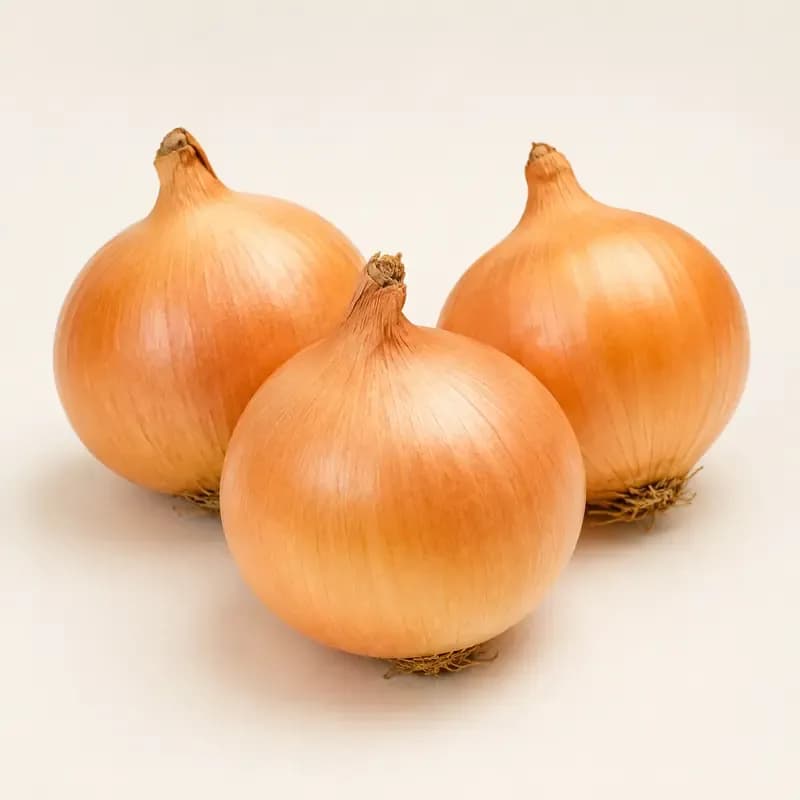
Onion
Allium cepa L.
Onion, scientifically known as Allium cepa L., is a bulb-forming vegetable in the Amaryllis family, Amaryllidaceae, and one of the world's most important culinary crops. Its layered bulb may have white, yellow, brown, pink, or deep purple skin, while the inner flesh ranges from crisp and intensely pungent to juicy, mild, and sweet. Raw onions add bite and freshness to salads, salsas, relishes, sandwiches, and pickles. Gentle sautéing transforms their sharp sulfur aroma into a mellow sweetness, while roasting, grilling, and caramelizing create deep savory flavors. Cutting onion tissues activates enzymes that generate sulfur compounds and the volatile irritant syn-propanethial-S-oxide, which can make the eyes water. Onions provide vitamin C, vitamin B6, folate, manganese, copper, potassium, fiber, and diverse phytochemicals including quercetin, anthocyanins in red onions, sulfur compounds, and fructans. Their versatility spans nearly every cuisine, from French onion soup and Indian curries to Mexican salsas, Middle Eastern salads, Korean pickles, and Mediterranean vegetable dishes. Bulb onions store well when kept dry, cool, dark, and ventilated.
Onion Galería de fotos
Explora Onion con todo detalle
Onion - Vista principal
Onion Información nutricional
💊Vitaminas
Por 100 g
⚡Minerales
Por 100 g
Por porción
Desglose nutricional por porción
Beneficios para la salud de Onion
Onion Origen y distribución
Central Asia, especially areas around present-day Iran, Afghanistan, Pakistan, and neighboring regions
Onion has been cultivated for thousands of years, although the exact wild ancestor and first domestication site remain uncertain. Archaeological evidence indicates that onions were important in ancient Egypt, Mesopotamia, the Mediterranean, and Asia. Their layered structure, strong flavor, storability, and ability to grow in diverse climates encouraged early agricultural selection. Egyptians used onions as food and placed symbolic value on their concentric layers, while Greek and Roman writers described numerous culinary and medicinal uses. Trade and migration spread onions throughout Europe, Africa, Asia, and the Americas. Modern breeding has produced short-day, intermediate-day, and long-day cultivars adapted to latitude, along with storage onions, sweet onions, red onions, white onions, pearl onions, and bunching types. Onions remain a foundational aromatic in cuisines worldwide.
Onion Temporada alta
Onions are grown in spring, summer, autumn, and winter planting cycles, depending on latitude and cultivar. Mature dry bulbs are available year-round because they store well, while fresh green onions are especially seasonal and perishable.
Onion Variedades
Cada variedad ofrece sabores, texturas y usos culinarios únicos
Yellow Onion
Red Onion
White Onion
Sweet Onion
Spanish Onion
Pearl Onion
Cipollini Onion
Onion Guía de selección y conservación
Mantén tu fruta fresca y deliciosa por más tiempo
Cómo elegir la fruta perfecta
Choose onions that feel firm and heavy for their size, with dry, papery outer skins.
Select bulbs with tight necks and no soft spots, wet patches, mold, sprouting, or strong fermented odors.
Pick the color and type suited to the recipe: yellow for general cooking, red for fresh uses, and sweet varieties for mild raw or grilled dishes.
Avoid bulbs with bruises, deep cuts, leaking tissue, or extensive black mold.
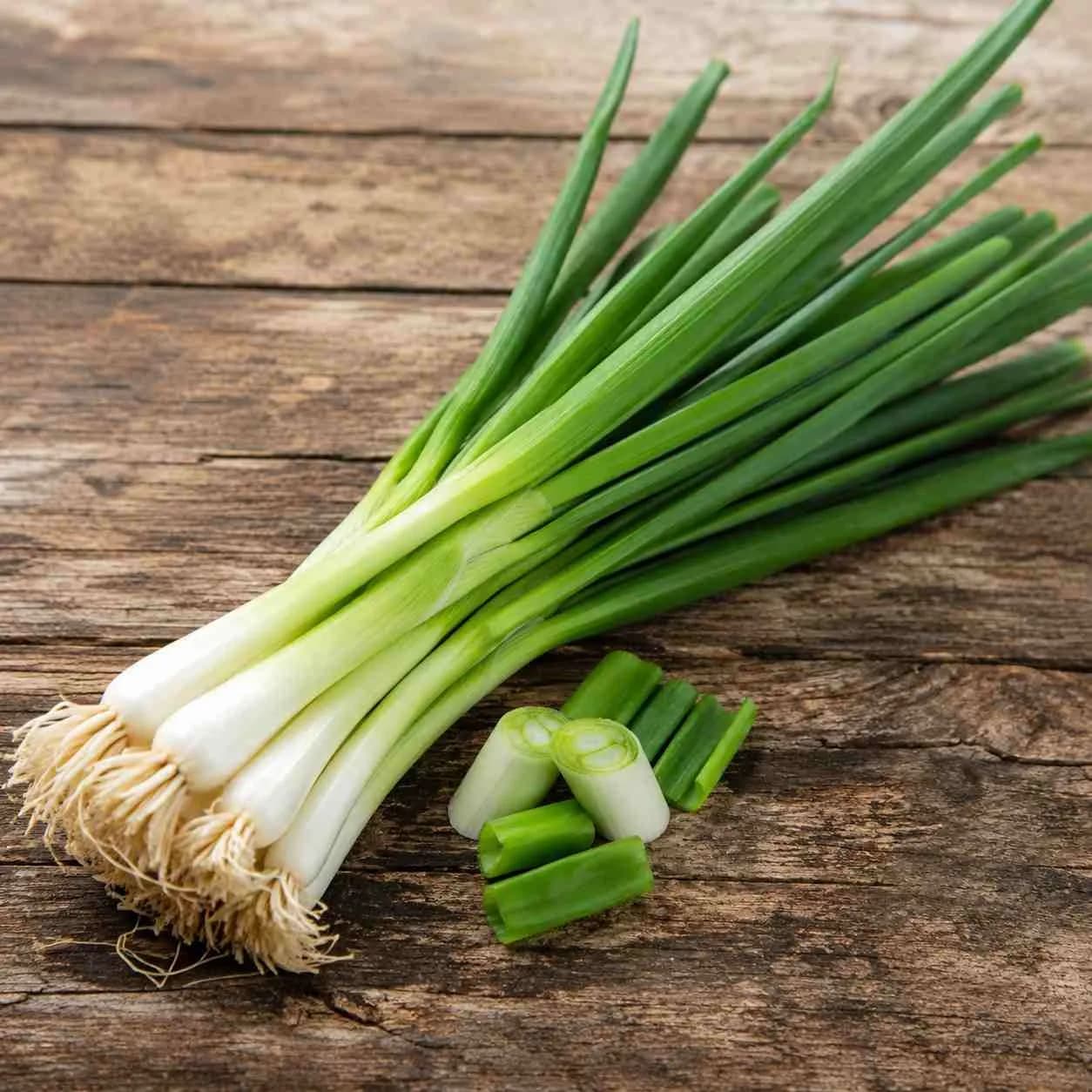
For green onions or immature onions, choose crisp upright leaves and firm, moist-looking bases.
Métodos de conservación
Store mature dry onions in a cool, dry, dark, well-ventilated location rather than a sealed plastic bag.
Keep onions away from potatoes because potatoes release moisture and gases that can accelerate onion spoilage.
Refrigerate peeled or cut onions in a covered container and use them within approximately 7 to 10 days.
Keep cut onions separate from raw meat, poultry, seafood, eggs, and their juices.
Inspect stored bulbs regularly and remove soft, leaking, or moldy onions so spoilage does not spread.
Guía de vida útil
Preparation Tips
Cut off the stem end and root end, leaving the root end attached temporarily when making controlled slices.
Remove the dry papery skin and any bruised or discolored outer layers.
Rinse peeled onion under cool running water if soil or loose skin remains; do not use soap or detergent.
Use a sharp knife to reduce crushing and improve slice control.
For less pungency in raw applications, soak sliced onion briefly in cold water, then drain thoroughly.
To reduce eye irritation, chill the onion before cutting, use ventilation, and avoid touching the eyes.
Separate rings or layers as needed and wash cutting boards and knives after preparation.
Instrucciones de congelación
Conserva la frescura por meses
Peel and trim onions, then dice or slice them according to the recipes planned.
Spread prepared pieces on a tray and freeze briefly so they do not form one solid mass.
Transfer frozen onion to airtight freezer bags or containers, remove excess air, and label with the date.
Blanching is optional for onions intended for cooked dishes, but frozen texture will be softer than fresh.
Use frozen onions in soups, sauces, casseroles, curries, stews, and sautés rather than raw salads.
Consejo
Etiqueta los alimentos congelados con la fecha para controlar la frescura. La mayoría de las frutas mantienen su calidad durante 2-3 meses si se congelan correctamente. Para mejores resultados, usa recipientes herméticos o bolsas para congelador para evitar quemaduras por congelación.
Viaje culinario
Descubre posibilidades deliciosas
Usos comunes
Maridajes perfectos
Recetas populares
Cooking Methods
Información de seguridad
Onion allergy is uncommon but possible. Reactions may include oral itching, hives, swelling, digestive symptoms, wheezing, breathing difficulty, or, rarely, anaphylaxis. People allergic to garlic, leeks, shallots, chives, or other Allium vegetables may have cross-reactivity. Cooking does not guarantee safety for a person with a true allergy. Severe throat swelling, breathing difficulty, faintness, or widespread hives require emergency medical attention.
Pesticide residues vary with country, farm, cultivar, season, and production system. Remove loose outer skin, trim the ends, and rinse peeled onion under cool running water when appropriate. Washing reduces dirt, microorganisms, and some surface residues but cannot remove every residue. Organic onions should also be handled hygienically because organic production does not eliminate microbial contamination.
- • People with a diagnosed onion or Allium allergy should avoid onions unless cleared by an allergy specialist.
- • People with irritable bowel syndrome or diagnosed fructan intolerance may need to limit onions under professional dietary guidance.
- • People with severe reflux or functional dyspepsia may find raw onion aggravating and should follow individualized advice.
- • People with kidney disease who have been instructed to restrict potassium should ask their renal clinician about appropriate portions.
- • Dogs and cats should never be fed onions, onion powder, or dishes containing concentrated onion.
- • Anyone should avoid onions that are moldy, slimy, leaking, extensively soft, recalled, or stored at unsafe temperatures.
- •Raw or large servings may cause gas, bloating, abdominal cramping, heartburn, or reflux symptoms.
- •People with onion allergy may develop skin, oral, digestive, respiratory, or systemic allergic reactions.
- •Deep-fried onions and heavily salted onion dishes can be high in calories, fat, or sodium despite raw onions being nutrient-dense.
- •Improperly stored or contaminated cut onions can support microbial growth and cause foodborne illness.
- •Onion consumption can cause serious toxicity in dogs and cats by damaging red blood cells.
- • Wash hands, knives, cutting boards, counters, and bowls before preparing onions.
- • Keep onions and onion-containing foods separate from raw meat, poultry, seafood, eggs, and their juices.
- • Rinse peeled onions under cool running water when soil or debris is present; never use soap, detergent, bleach, or disinfectant.
- • Refrigerate peeled, cut, or cooked onions within two hours, or within one hour in very hot conditions.
- • Use refrigerated cooked onion dishes within 3 to 4 days and reheat leftovers thoroughly.
- • Discard onions with mold, slime, leaking tissue, foul odors, or extensive decay.
- • Keep raw onions, scraps, powders, sauces, and compost containing onion away from dogs and cats.
Datos curiosos sobre Onion
¡Trivias sorprendentes que te encantarán!
Onion is one of the most widely cultivated vegetable crops in the world.
The concentric layers of an onion are modified fleshy leaf bases that store water and carbohydrates.
The word onion comes through Middle English and Old French from Latin terms related to large pearl-like bulbs.
Ancient Egyptians valued onions and depicted them in art and offerings.
Red onions contain anthocyanin pigments that can create purple, burgundy, or reddish rings.
Onions can be classified as short-day, intermediate-day, or long-day types according to the daylight length needed to form bulbs.
Green onions, spring onions, and dry bulb onions can all come from closely related Allium crops, but their harvest stage and cultivar differ.
Caramelization involves browning reactions that transform onion sugars and create hundreds of new aroma compounds.
Onion skins can be used to produce natural yellow-brown dyes.
The underground onion bulb is not a root; it is a specialized storage structure made largely from leaf bases.
Preguntas frecuentes
Why do onions make your eyes water?
ScienceCutting an onion damages its cells and allows enzymes to react with sulfur-containing precursor molecules. The resulting compounds include a volatile lachrymatory factor, commonly identified as syn-propanethial-S-oxide. When it reaches the moist surface of the eye, it stimulates sensory nerves and triggers tearing, which helps dilute and remove the irritant. Chilling the onion, using a very sharp knife, improving ventilation, or cutting under controlled airflow may reduce exposure. Different cultivars vary in pungency, and sweet onions generally produce less irritation than strongly pungent storage types.
Are red, yellow, and white onions nutritionally different?
ScienceAll common bulb onions provide similar basic nutrients, including water, carbohydrate, fiber, vitamin C, vitamin B6, folate, manganese, copper, and potassium. Exact values vary with cultivar, maturity, growing conditions, and storage. Red and purple onions contain anthocyanin pigments in addition to flavonols, while yellow onions often contain substantial quercetin. White and sweet onions may taste milder but are not automatically more nutritious. The practical difference is often culinary: color, pungency, sweetness, texture, and intended use influence which variety works best in a recipe.
What is the best way to store whole onions?
GeneralStore mature dry onions in a cool, dry, dark, well-ventilated location. A mesh bag, open basket, or slatted crate allows air movement and helps prevent moisture accumulation. Avoid sealed plastic bags and keep onions away from potatoes, which release moisture and gases that can shorten onion storage life. Inspect bulbs periodically and remove any that become soft, leaking, moldy, or strongly odorous. Once an onion is peeled or cut, place it in a clean covered container and refrigerate it, ideally using it within seven to ten days.
How can raw onion taste less sharp?
PreparationChoose a naturally mild or sweet cultivar, remove the root and outer layers, and slice the onion thinly. Briefly soaking slices in cold water can wash away some pungent compounds, although it may also remove a little flavor and water-soluble vitamin C. Rinsing or soaking in an acidic dressing, such as lemon juice or vinegar, changes the flavor and softens the perception of heat. Combining raw onion with tomatoes, cucumber, herbs, yogurt, avocado, or other moist ingredients also balances its intensity. Individual sensitivity varies considerably.
Are onions healthy to eat every day?
HealthFor most people, onions can be part of a healthy daily diet. They are low in fat and calories while contributing vitamin C, vitamin B6, folate, manganese, copper, potassium, fiber, and plant compounds such as quercetin and sulfur-containing molecules. Eating onions does not guarantee disease prevention, and benefits depend on the overall dietary pattern. Cooking methods and accompanying ingredients matter: a vegetable soup or lightly sautéed onion differs nutritionally from heavily battered and fried onion. People with digestive sensitivities may need smaller portions.
Can onions cause bloating or digestive discomfort?
HealthYes. Onions contain fructans, fermentable carbohydrates that are poorly digested in the small intestine and are fermented by gut microbes. This fermentation can produce gas, bloating, abdominal pain, or altered bowel habits, especially in people with irritable bowel syndrome or fructan sensitivity. Tolerance depends on portion size, onion variety, cooking, and individual digestive health. Some people tolerate infused onion oil better because fructans are not oil-soluble, although the complete recipe still matters. A registered dietitian can help with a structured low-FODMAP approach without unnecessary long-term restriction.
Can people taking warfarin eat onions?
HealthOnions contain only a very small amount of vitamin K, approximately 0.4 mcg per 100 g, so they are not considered a major vitamin K food compared with leafy greens. Nevertheless, people taking warfarin should discuss their complete diet with their clinician and avoid making abrupt, extreme dietary changes. The medication response is influenced by many factors, including other foods, medicines, illness, alcohol, and adherence. Do not change a warfarin dose independently. Keep regular appointments and follow the monitoring plan provided by the prescribing healthcare professional.
What is the healthiest way to cook onions?
PreparationThere is no single best method because the choice depends on the desired texture and dish. Quick sautéing, steaming, roasting, grilling, and braising can soften onions while preserving flavor and avoiding excess water loss. Prolonged boiling may move vitamin C and some other water-soluble compounds into the cooking liquid, so using that liquid in soup limits waste. Caramelizing creates a rich flavor but takes time and often uses oil or butter. Deep-frying greatly increases calories and fat. Pairing onions with other vegetables, legumes, herbs, and modest salt creates a balanced meal.
Are onions safe for dogs and cats?
SafetyNo. Onions and other Allium vegetables can damage red blood cells in dogs and cats and may cause gastrointestinal illness or hemolytic anemia. Risk depends on the animal's size, the amount consumed, and whether the onion was raw, cooked, dried, powdered, or included in a concentrated product. Onion powder and seasoning mixes can be especially concentrated. Keep bulbs, scraps, cooked dishes, soups, sauces, and compost containing onions away from pets. If a pet eats onion, garlic, or a related product, contact a veterinarian or animal poison service promptly.