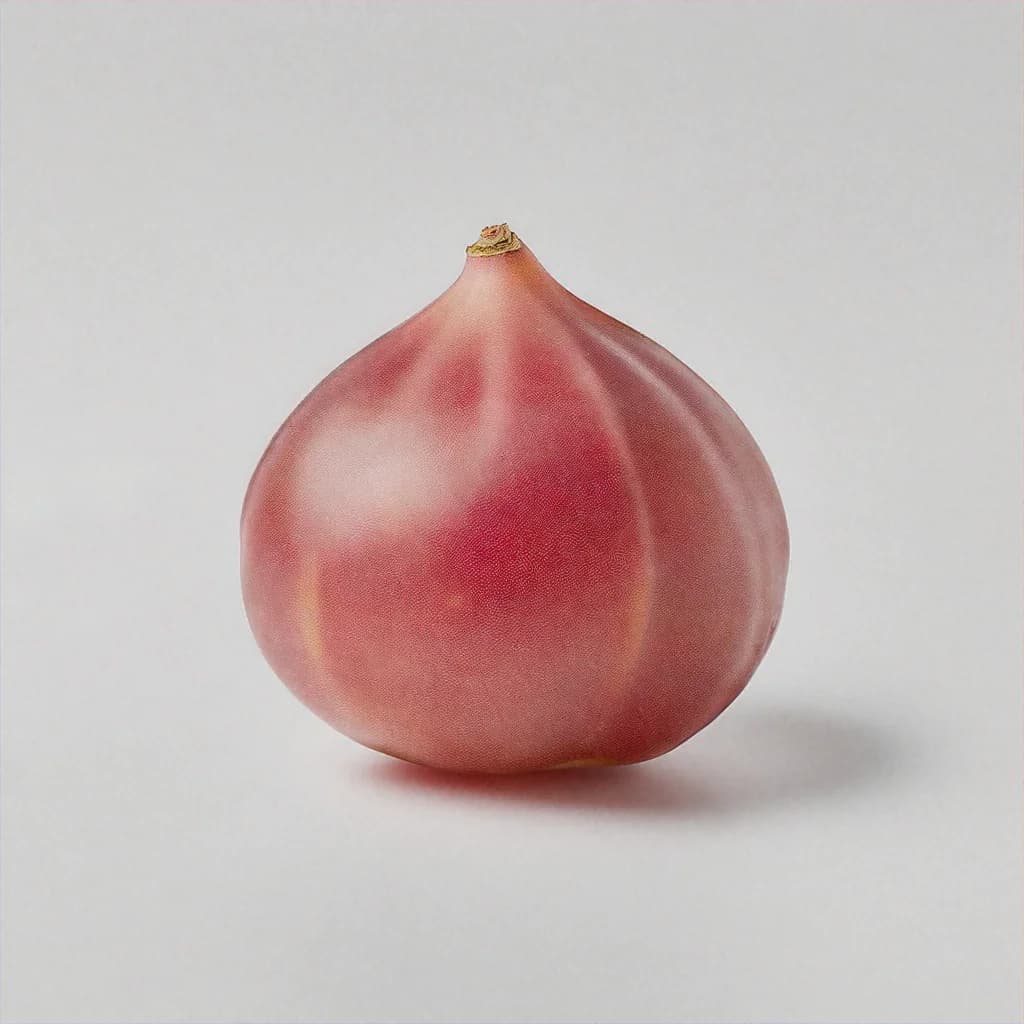
Rambai
Baccaurea motleyana
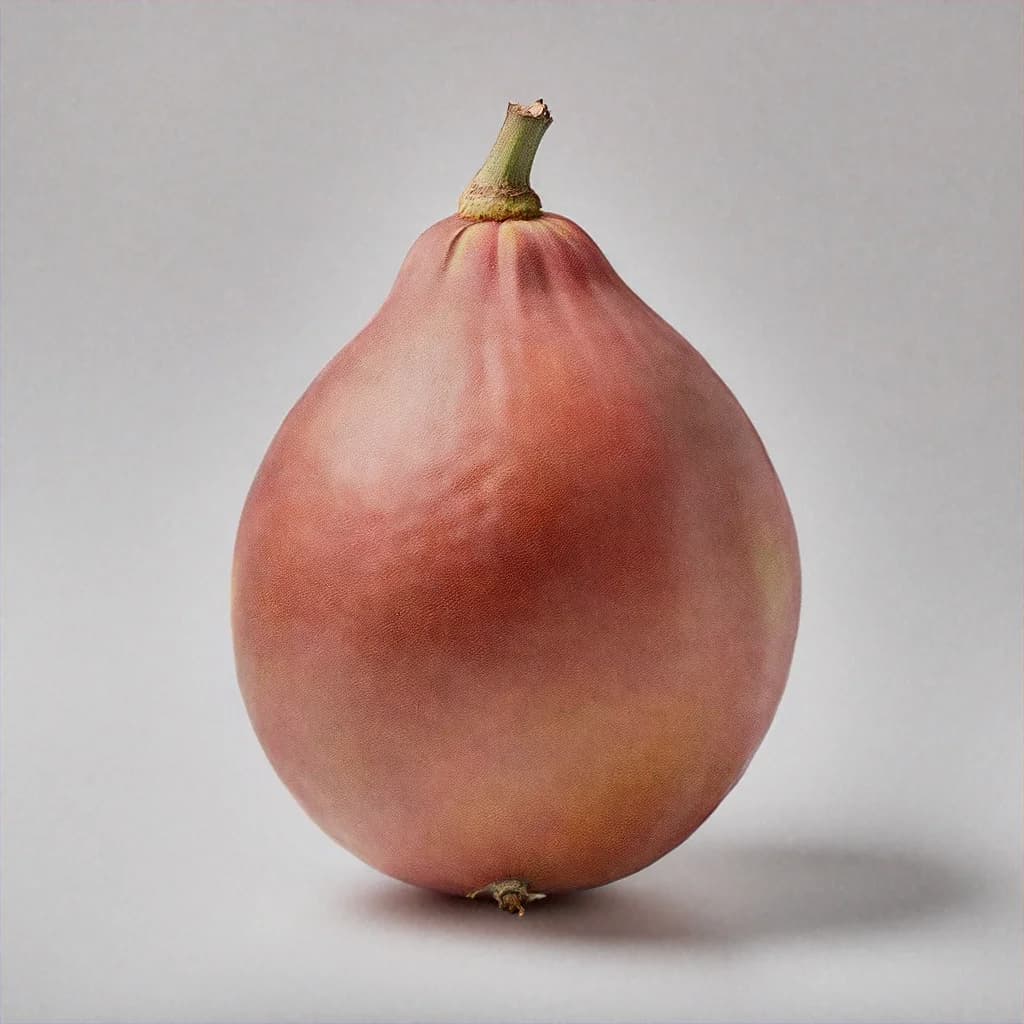
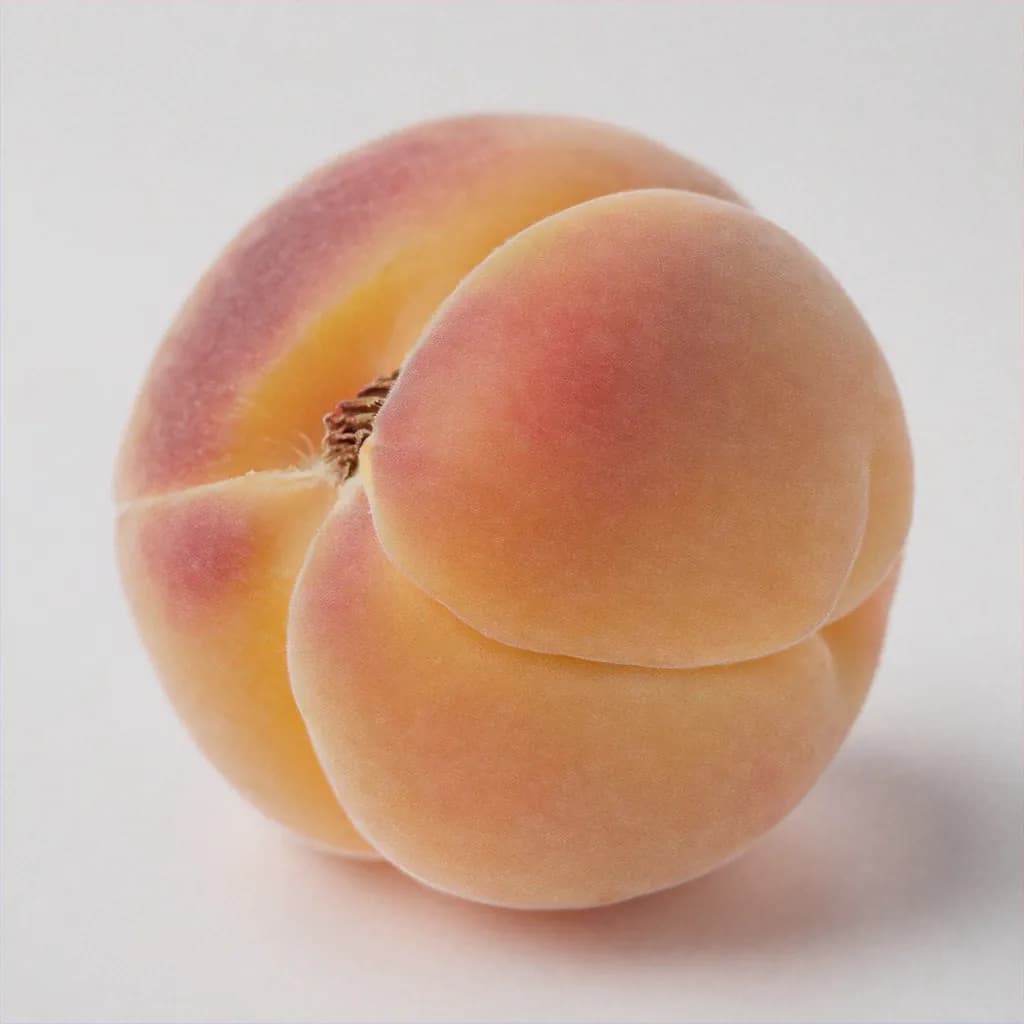
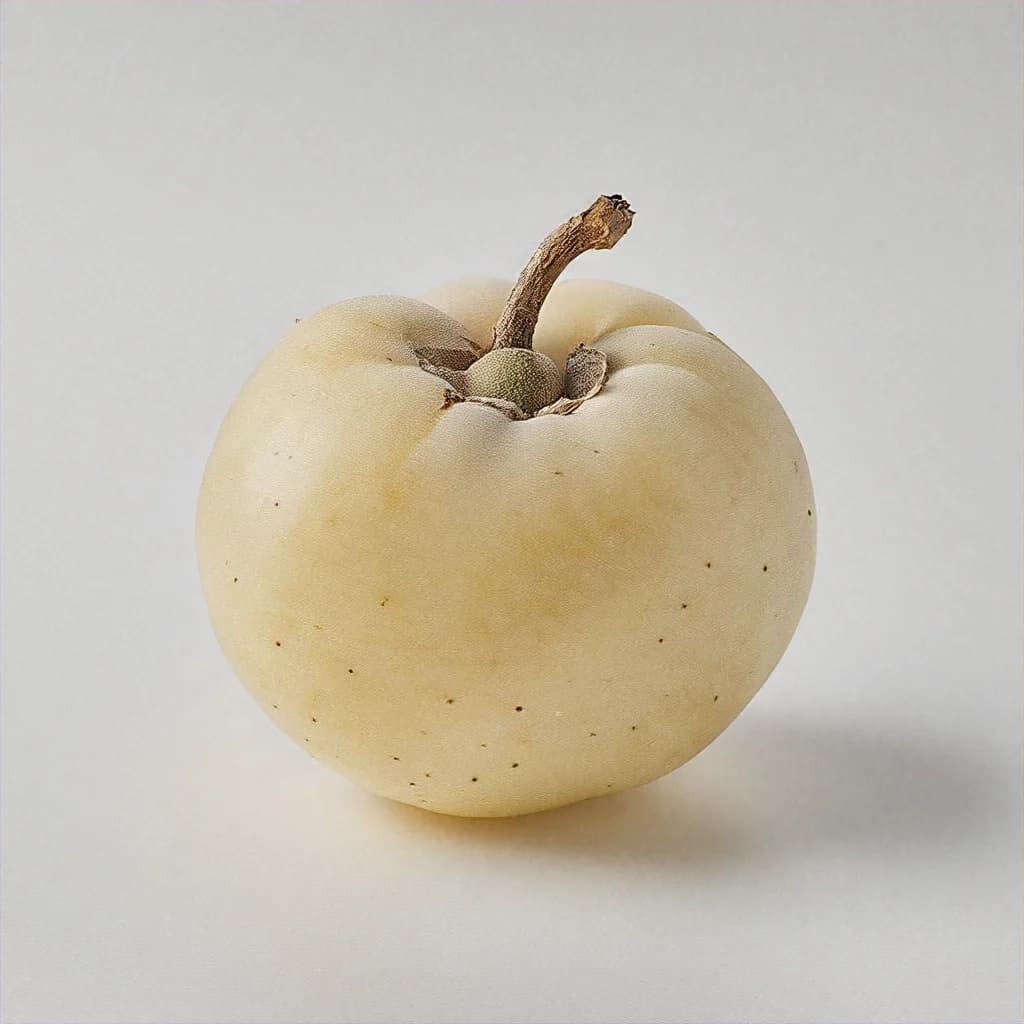
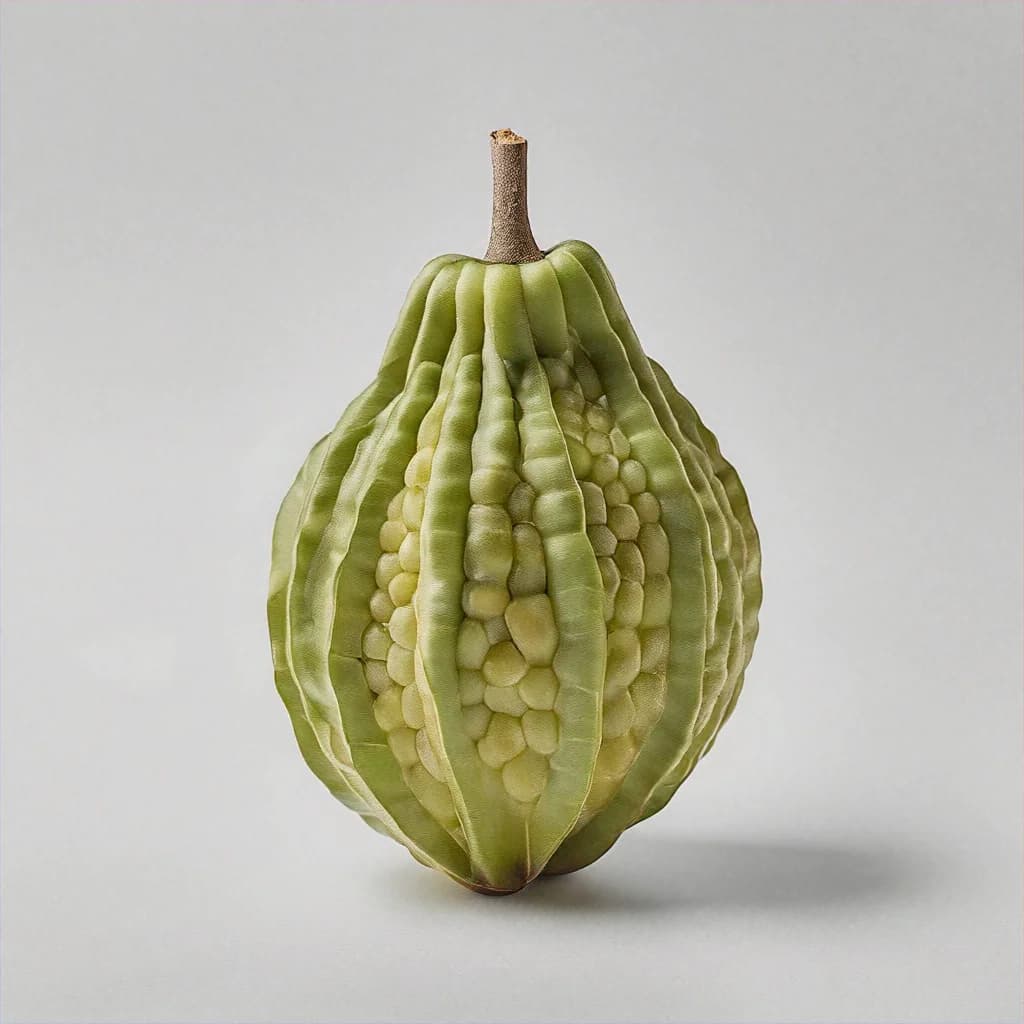
Rambai, scientifically known as Baccaurea motleyana, is a tropical fruit native to Southeast Asia. This exotic fruit is oval-shaped with a leathery, yellowish-brown skin and translucent, juicy flesh that surrounds a large seed. Its flavor profile is a delightful blend of sweet and sour, reminiscent of a cross between a grape and a pineapple. Rich in vitamins, minerals, and antioxidants, Rambai is not only a culinary delight but also a nutritional powerhouse. Often enjoyed fresh or in desserts, it adds a unique tropical twist to any dish. Cultivated in warm, humid climates, Rambai is a must-try for adventurous food enthusiasts and health-conscious individuals alike.
Rambai Galería de fotos
Explora Rambai con todo detalle
Rambai - Vista principal
Rambai Información nutricional
💊Vitaminas
Por 100 g
⚡Minerales
Por 100 g
Por porción
Desglose nutricional por porción
Beneficios para la salud de Rambai
Rambai Origen y distribución
Southeast Asia
Rambai has been cultivated in Southeast Asia for centuries, valued for its unique taste and nutritional benefits.
Rambai Temporada alta
Year-round in tropical regions
Rambai Variedades
Cada variedad ofrece sabores, texturas y usos culinarios únicos
Common Rambai
Rambai Guía de selección y conservación
Mantén tu fruta fresca y deliciosa por más tiempo
Cómo elegir la fruta perfecta
Look for firm, unblemished fruit.
Choose fruits with a vibrant yellowish-brown color.
Métodos de conservación
Store at room temperature for up to 3 days.
Refrigerate for extended freshness.
Guía de vida útil
Instrucciones de congelación
Conserva la frescura por meses
Freeze the pulp for use in smoothies or desserts.
Store in airtight containers to preserve freshness.
Consejo
Etiqueta los alimentos congelados con la fecha para controlar la frescura. La mayoría de las frutas mantienen su calidad durante 2-3 meses si se congelan correctamente. Para mejores resultados, usa recipientes herméticos o bolsas para congelador para evitar quemaduras por congelación.
Viaje culinario
Descubre posibilidades deliciosas
Usos comunes
Maridajes perfectos
Recetas populares
Bebidas refrescantes
Información de seguridad
Individuals with allergies to tropical fruits should exercise caution when consuming Rambai.
Rambai may be treated with pesticides; wash thoroughly before consumption.
- • Individuals with known allergies to tropical fruits
- •Possible allergic reactions in sensitive individuals.
- • Wash the fruit thoroughly before eating.
- • Avoid consuming the seed.
Datos curiosos sobre Rambai
¡Trivias sorprendentes que te encantarán!
Rambai is often referred to as the 'tropical grape' due to its grape-like flavor.
In traditional medicine, Rambai is believed to have cooling properties and is used to treat fever and inflammation.
Preguntas frecuentes
What does Rambai taste like?
GeneralRambai has a sweet and sour taste, similar to a blend of grape and pineapple.
How do I know if a Rambai is ripe?
BuyingA ripe Rambai will have a vibrant yellowish-brown color and a slight give when gently pressed.
How should I store Rambai?
StorageStore Rambai at room temperature for up to 3 days or refrigerate for up to 7 days.
Can Rambai be used in cooking?
CulinaryYes, Rambai can be used in fruit salads, desserts, and beverages.
Is Rambai high in sugar?
NutritionRambai contains about 15g of sugar per 100g, similar to other tropical fruits.
Are there any health risks associated with eating Rambai?
HealthRambai is generally safe for consumption, but individuals with allergies to tropical fruits should exercise caution.
Can Rambai be frozen?
MiscellaneousYes, the pulp can be frozen for use in smoothies or desserts.