
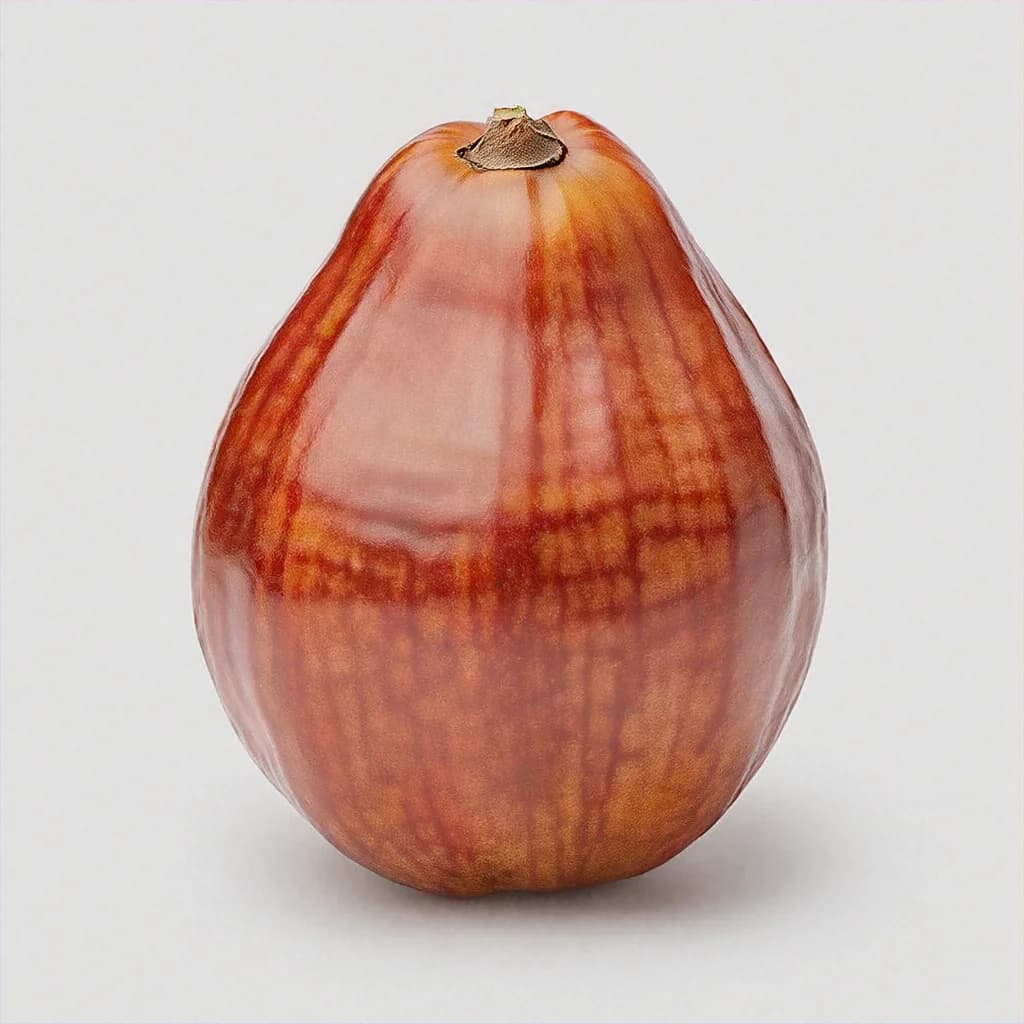
Jatoba
Hymenaea courbaril
Jatoba, scientifically known as Hymenaea courbaril, is a tropical fruit native to Central and South America. Its pulp is sweet, slightly acidic, and rich in antioxidants, making it a favorite among health enthusiasts. The fruit's outer skin is tough and woody, encasing a white, fibrous, and juicy pulp that surrounds a large seed. Traditionally, Jatoba has been used in folk medicine for its anti-inflammatory properties and is increasingly recognized for its potential to support cardiovascular health and immune function. The fruit's seed is also edible and can be roasted or ground into a nutritious flour, while the pulp is often enjoyed fresh or made into jams and beverages.
Jatoba Galería de fotos
Explora Jatoba con todo detalle
Jatoba - Vista principal
Jatoba Información nutricional
💊Vitaminas
Por 100 g
⚡Minerales
Por 100 g
Por porción
Desglose nutricional por porción
Beneficios para la salud de Jatoba
Jatoba Origen y distribución
Central and South America
Jatoba has been cultivated for centuries in its native regions, valued for its nutritional content and medicinal properties. It has played a significant role in traditional medicine and is now gaining attention in modern nutrition research.
Jatoba Temporada alta
Late spring to early summer
Jatoba Variedades
Cada variedad ofrece sabores, texturas y usos culinarios únicos
Common Jatoba
Jatoba Guía de selección y conservación
Mantén tu fruta fresca y deliciosa por más tiempo
Cómo elegir la fruta perfecta
Select Jatoba fruits with firm, unblemished skin.
Look for fruits that feel heavy for their size, indicating juicy pulp.
Métodos de conservación
Store Jatoba at room temperature for up to 3 days.
Refrigerate for extended storage, up to 7 days.
Guía de vida útil
Instrucciones de congelación
Conserva la frescura por meses
Freeze the pulp in airtight containers for up to 3 months.
Thaw frozen pulp in the refrigerator before use.
Consejo
Etiqueta los alimentos congelados con la fecha para controlar la frescura. La mayoría de las frutas mantienen su calidad durante 2-3 meses si se congelan correctamente. Para mejores resultados, usa recipientes herméticos o bolsas para congelador para evitar quemaduras por congelación.
Viaje culinario
Descubre posibilidades deliciosas
Usos comunes
Maridajes perfectos
Recetas populares
Bebidas refrescantes
Información de seguridad
Individuals with allergies to tropical fruits should exercise caution when consuming Jatoba.
Jatoba is typically grown with minimal pesticide use, but it is advisable to wash the fruit thoroughly before consumption.
- • Individuals with known fruit allergies
- • People with sensitivity to high-fiber foods
- •Possible stomach discomfort if consumed in large quantities
- •Allergic reactions in sensitive individuals
- • Wash the fruit thoroughly before cutting.
- • Use a sharp knife to cut through the tough outer skin.
Datos curiosos sobre Jatoba
¡Trivias sorprendentes que te encantarán!
Jatoba is also known as the 'stinking toe' fruit due to the strong odor of its pulp when overripe.
The wood of the Jatoba tree is highly valued for its durability and is often used in construction and furniture making.
Preguntas frecuentes
What does Jatoba taste like?
GeneralJatoba has a sweet and slightly acidic flavor, similar to a combination of mango and pineapple.
How do I know if a Jatoba fruit is ripe?
BuyingRipe Jatoba fruits have a firm but slightly yielding texture and a sweet aroma.
Can I freeze Jatoba fruit?
StorageYes, you can freeze the pulp for up to 3 months in an airtight container.
How can I use Jatoba in cooking?
CulinaryJatoba can be eaten fresh, blended into smoothies, or made into jams and preserves.
Is Jatoba high in sugar?
NutritionJatoba contains about 12.5g of sugar per 100g, which is moderate compared to other fruits.
Does Jatoba have any known health interactions?
HealthJatoba is generally safe, but individuals with allergies to tropical fruits should exercise caution.
Can I eat the seed of the Jatoba fruit?
MiscellaneousYes, the seed can be roasted or ground into flour for culinary use.
.webp&w=3840&q=75)