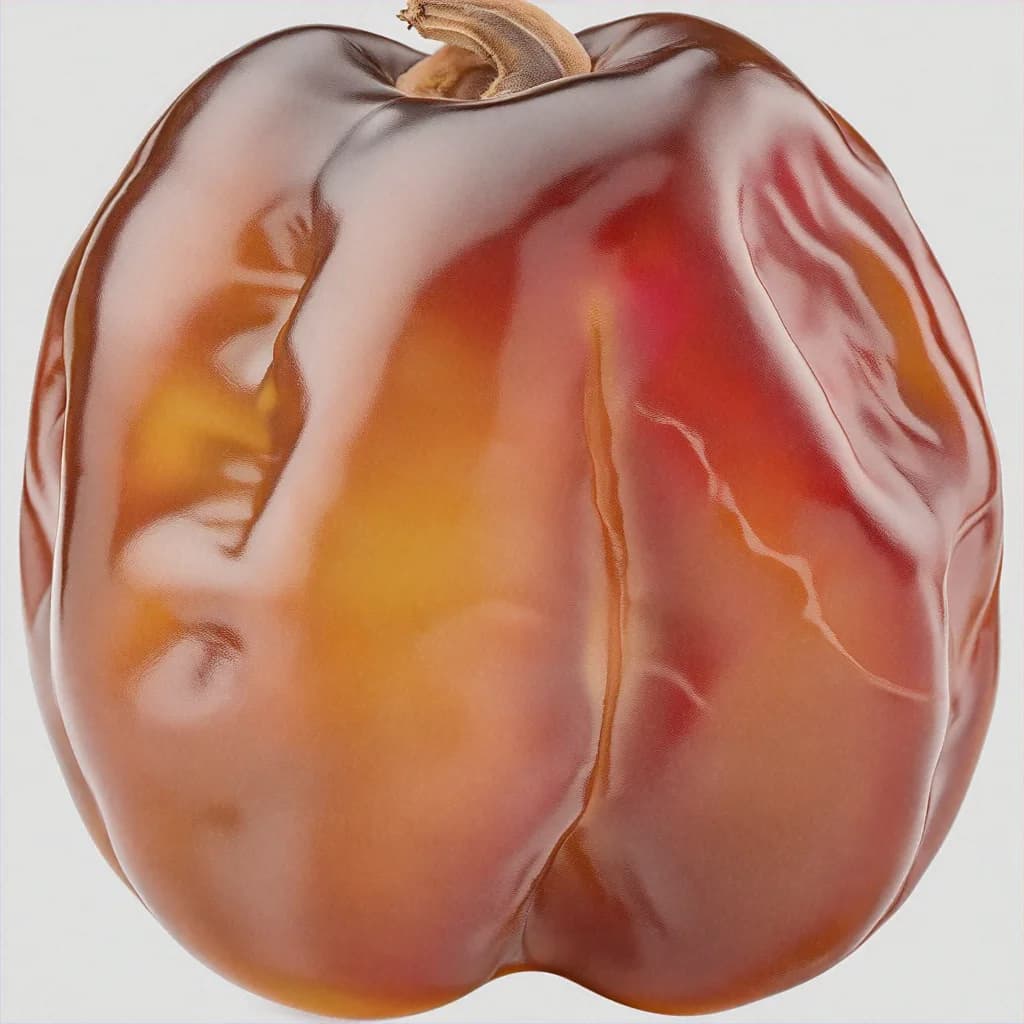
Desert Raisin
Solanum centrale
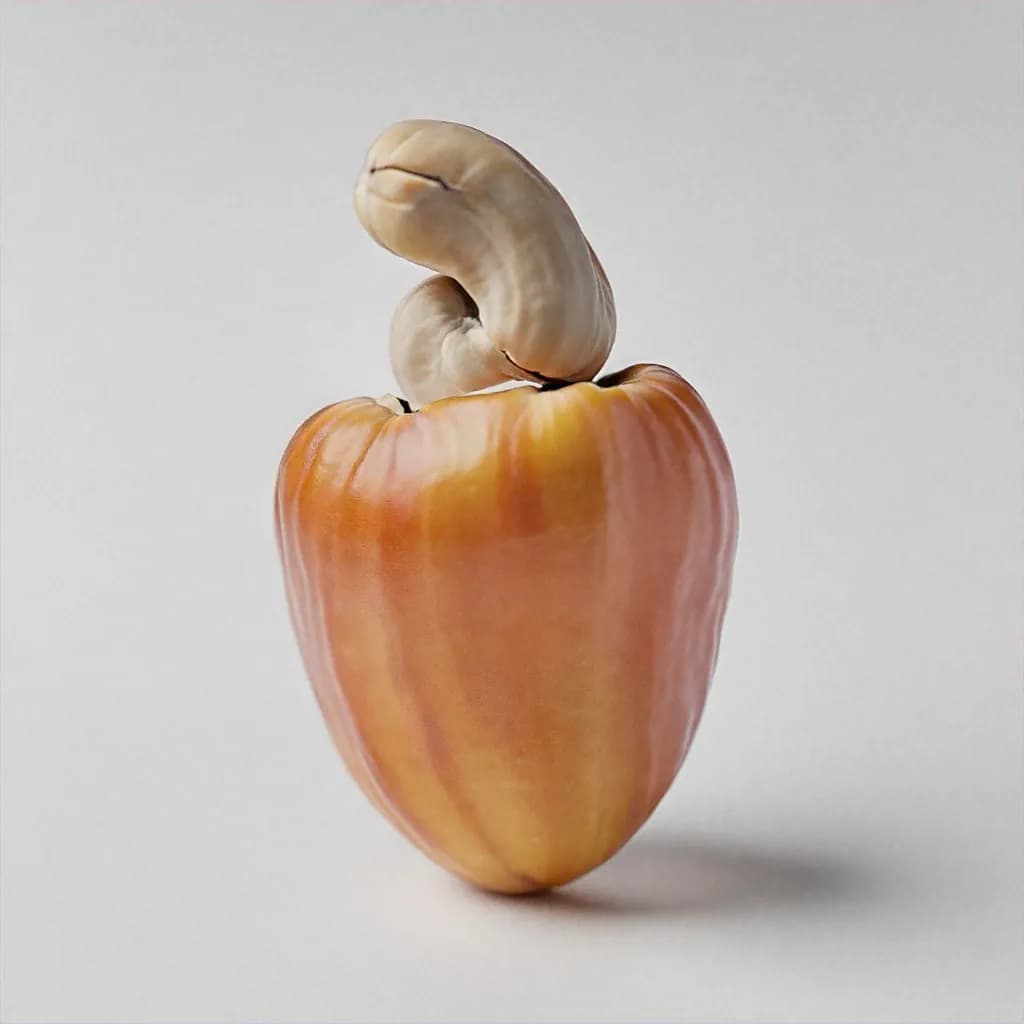
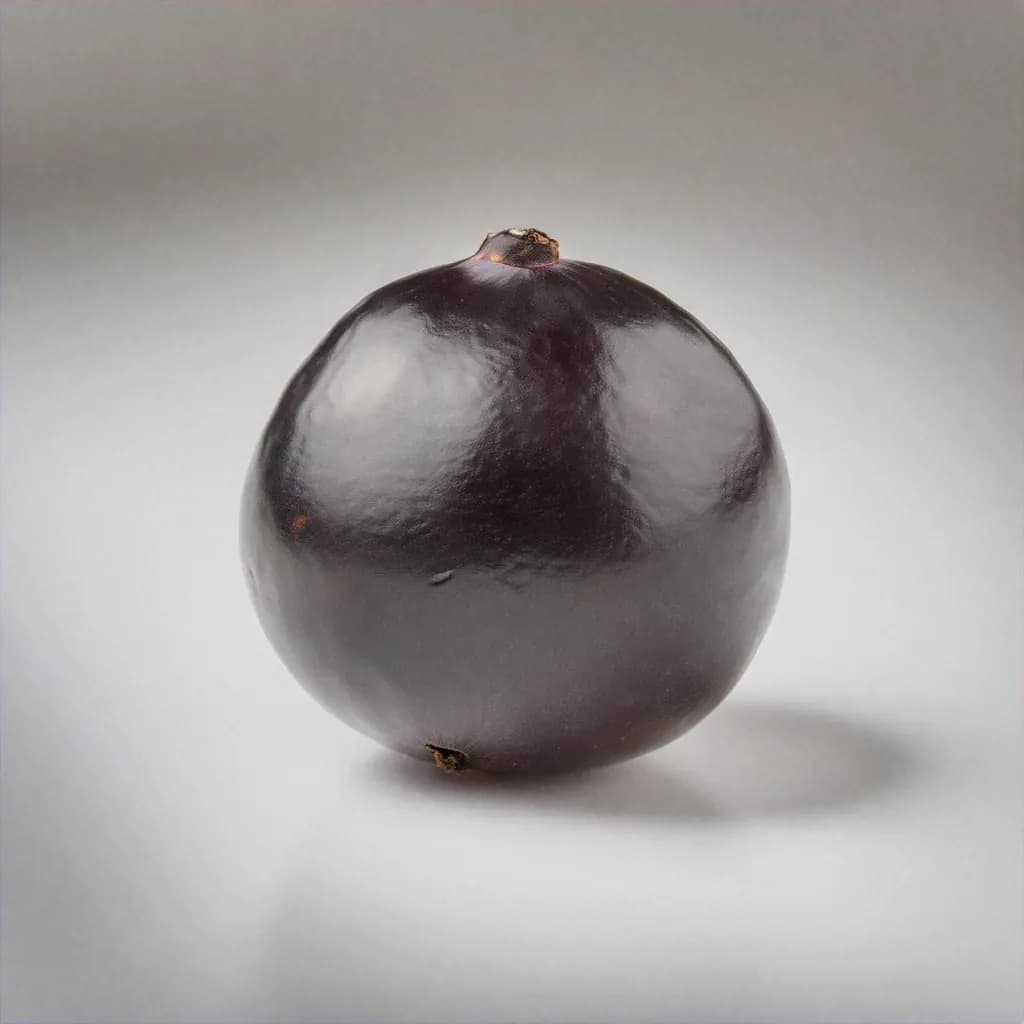
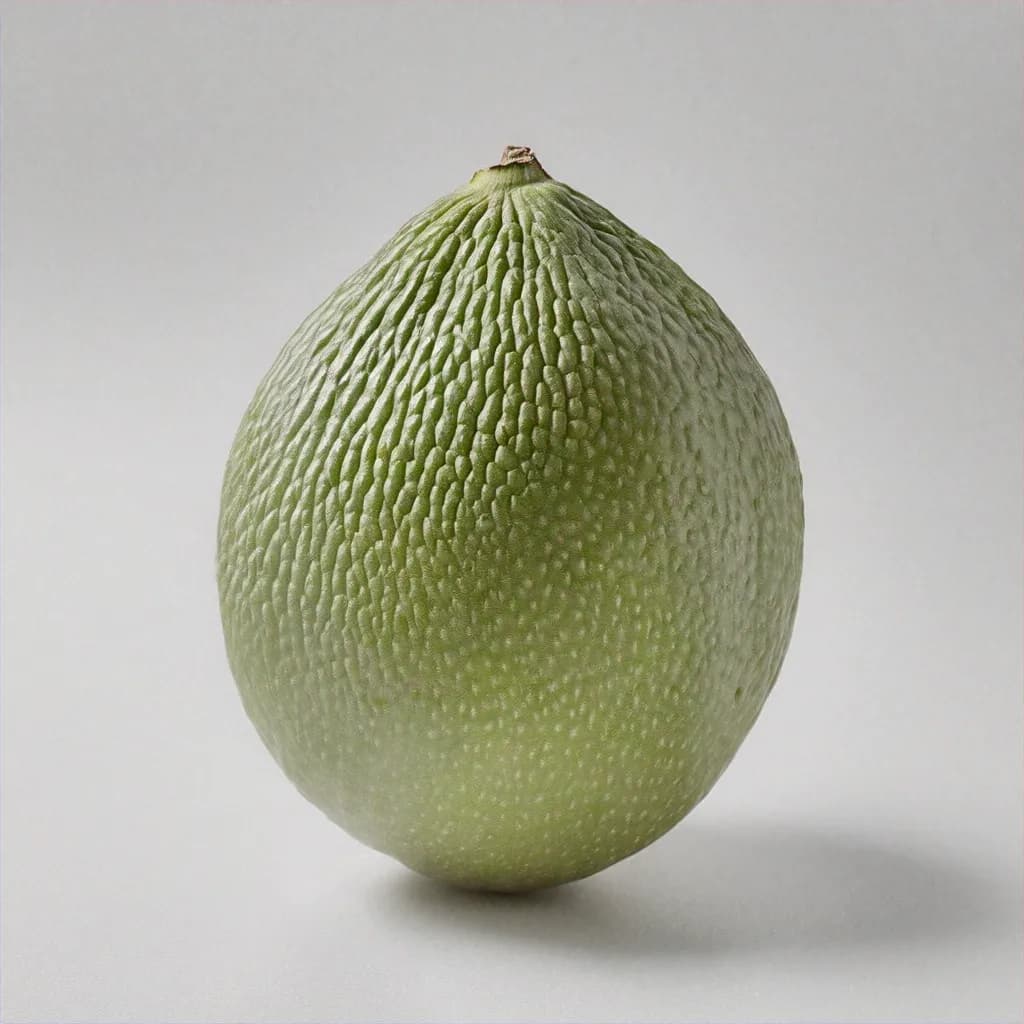
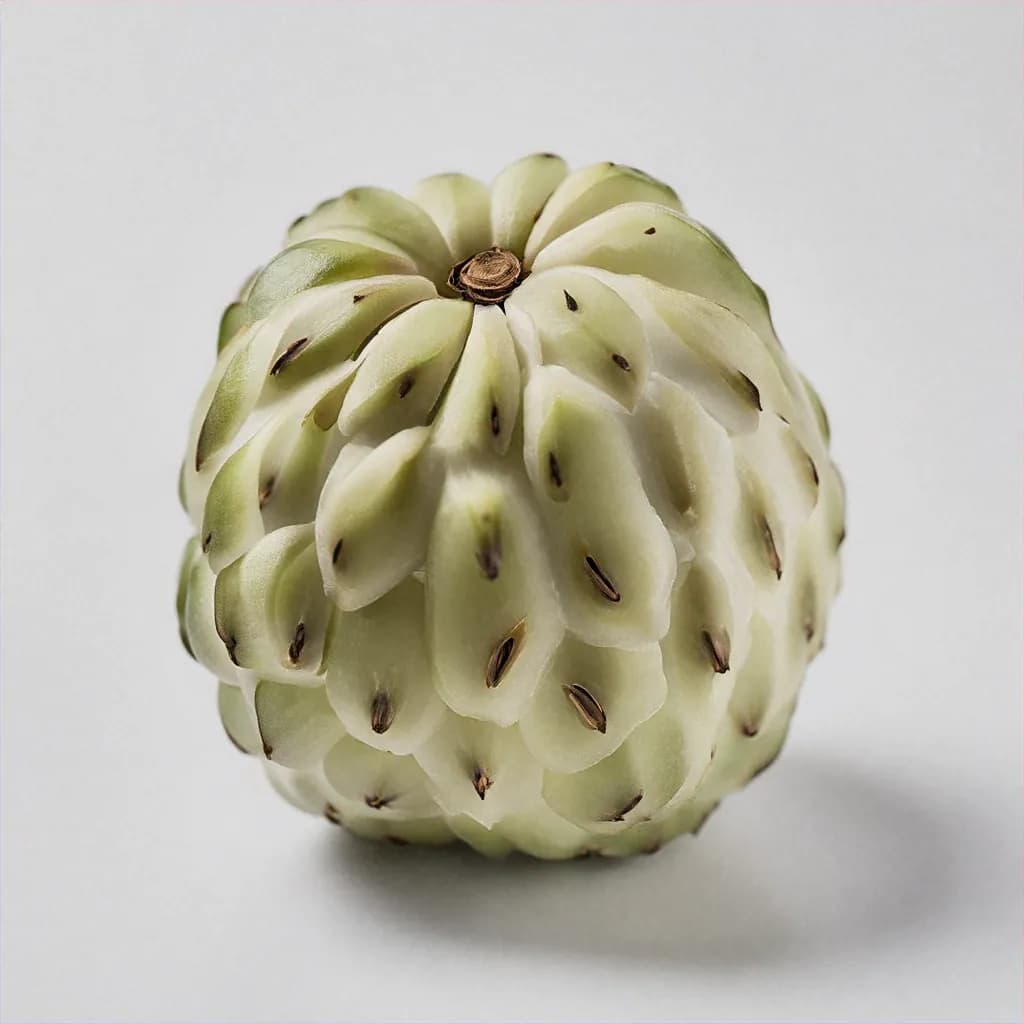
The Desert Raisin, scientifically known as Solanum centrale, is a small, tart fruit native to the arid regions of central Australia. Also known as the bush tomato, this wild fruit is a staple in the diet of Indigenous Australians. It grows on a small shrub and produces round, green fruits that turn golden-brown when dried, resembling raisins. The fruit is rich in antioxidants, vitamins, and minerals, making it a nutritional powerhouse. Its unique flavor profile, a blend of sweet and savory notes with a slightly tangy finish, adds depth to both traditional and modern dishes. The Desert Raisin is not only a culinary delight but also a symbol of resilience, thriving in harsh desert conditions while offering numerous health benefits.
Desert Raisin Galería de fotos
Explora Desert Raisin con todo detalle
Desert Raisin - Vista principal
Desert Raisin Información nutricional
💊Vitaminas
Por 100 g
⚡Minerales
Por 100 g
Por porción
Desglose nutricional por porción
Beneficios para la salud de Desert Raisin
Desert Raisin Origen y distribución
Central Australia
The Desert Raisin has been a traditional food source for Indigenous Australians for thousands of years. It was often dried and stored for long periods, providing a reliable source of nutrition in the harsh desert environment. Today, it is gaining popularity in modern cuisine for its unique flavor and nutritional benefits.
Desert Raisin Temporada alta
Year-round, but peak harvesting occurs in late summer to early autumn.
Desert Raisin Variedades
Cada variedad ofrece sabores, texturas y usos culinarios únicos
Solanum centrale (Common Desert Raisin)
Desert Raisin Guía de selección y conservación
Mantén tu fruta fresca y deliciosa por más tiempo
Cómo elegir la fruta perfecta
Look for firm, unblemished fruits with a vibrant green color if buying fresh.
For dried Desert Raisins, choose plump, golden-brown fruits with no signs of mold.
Métodos de conservación
Store fresh Desert Raisins in a cool, dry place for up to 2 weeks.
Dried Desert Raisins can be stored in an airtight container at room temperature for up to 6 months.
Guía de vida útil
Instrucciones de congelación
Conserva la frescura por meses
Fresh Desert Raisins can be frozen for up to 6 months. Wash and dry them thoroughly before freezing.
Store in an airtight container or freezer bag to prevent freezer burn.
Consejo
Etiqueta los alimentos congelados con la fecha para controlar la frescura. La mayoría de las frutas mantienen su calidad durante 2-3 meses si se congelan correctamente. Para mejores resultados, usa recipientes herméticos o bolsas para congelador para evitar quemaduras por congelación.
Viaje culinario
Descubre posibilidades deliciosas
Usos comunes
Maridajes perfectos
Recetas populares
Bebidas refrescantes
Información de seguridad
Desert Raisins are generally considered hypoallergenic, but individuals with known allergies to plants in the Solanaceae family (e.g., tomatoes, potatoes) should exercise caution.
Desert Raisins are typically grown in the wild and are less likely to be exposed to pesticides. However, always wash fresh fruits thoroughly.
- • Individuals with known allergies to plants in the Solanaceae family.
- • People on blood-thinning medications due to the high vitamin K content.
- •Possible gastrointestinal discomfort if consumed in excess.
- •Allergic reactions in sensitive individuals.
- • Wash fresh Desert Raisins thoroughly before consuming.
- • Store dried Desert Raisins in airtight containers to prevent contamination.
Datos curiosos sobre Desert Raisin
¡Trivias sorprendentes que te encantarán!
The Desert Raisin is also known as the 'bush tomato' due to its tomato-like appearance and flavor.
Indigenous Australians have been consuming Desert Raisins for thousands of years, often drying them for long-term storage.
Preguntas frecuentes
What does the Desert Raisin taste like?
GeneralThe Desert Raisin has a unique flavor profile that is tart, slightly sweet, and savory. It is often described as a blend of tomato and raisin flavors.
How do I know if a Desert Raisin is ripe?
BuyingFresh Desert Raisins are ripe when they are firm and have a vibrant green color. Dried Desert Raisins should be plump and golden-brown.
Can I freeze Desert Raisins?
StorageYes, fresh Desert Raisins can be frozen for up to 6 months. Ensure they are washed, dried, and stored in an airtight container.
How can I use Desert Raisins in cooking?
CulinaryDesert Raisins can be used in salads, stews, soups, and as a snack. They pair well with meats, grains, and other fruits and nuts.
Are Desert Raisins high in sugar?
NutritionDesert Raisins contain natural sugars, with approximately 12 grams per 100 grams. However, they are also rich in fiber and nutrients, making them a healthier option compared to processed sugary snacks.
Can Desert Raisins interact with medications?
HealthWhile Desert Raisins are generally safe, their high vitamin K content may interact with blood-thinning medications like warfarin. Consult a healthcare provider if you are on such medications.
Are Desert Raisins sustainable?
MiscellaneousDesert Raisins are considered sustainable as they are native to arid regions and require minimal water and resources to grow. They are often harvested sustainably by Indigenous communities.