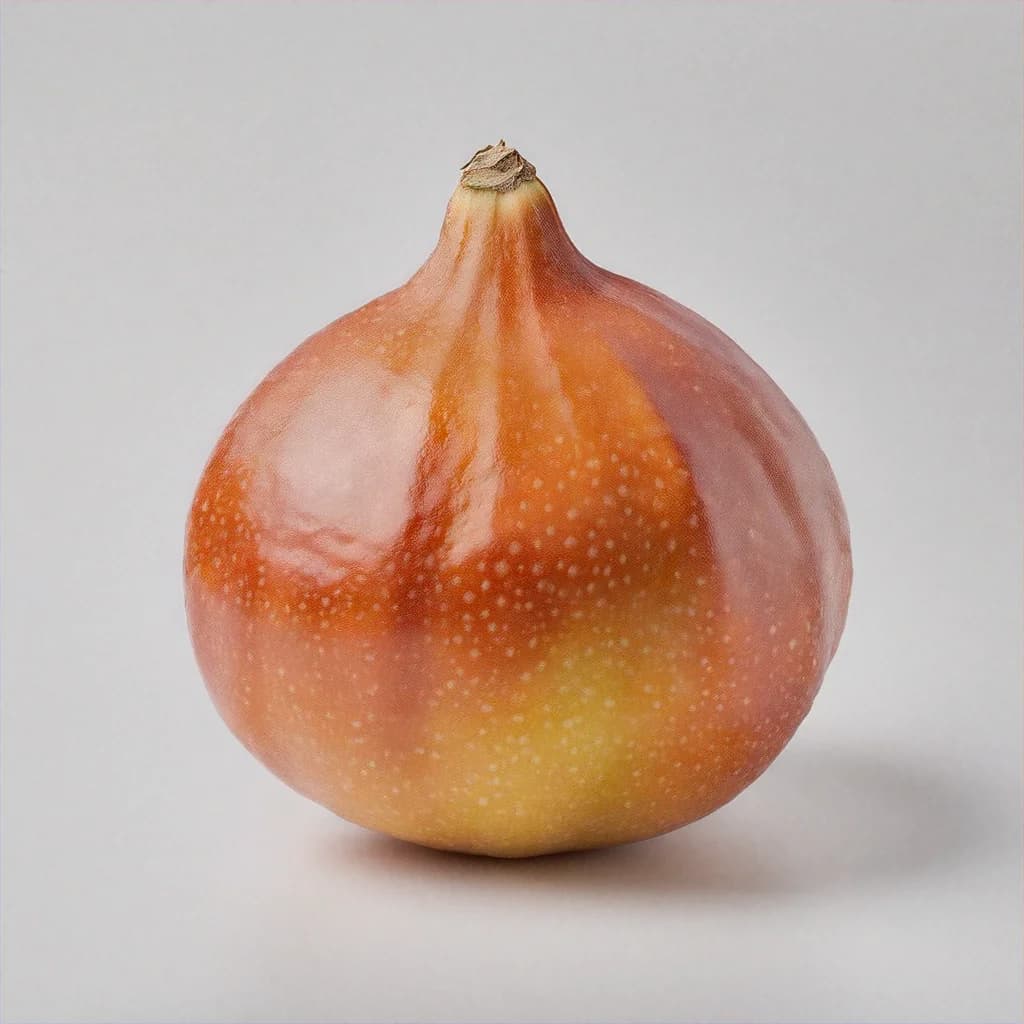
Cekur
Melastoma malabathricum
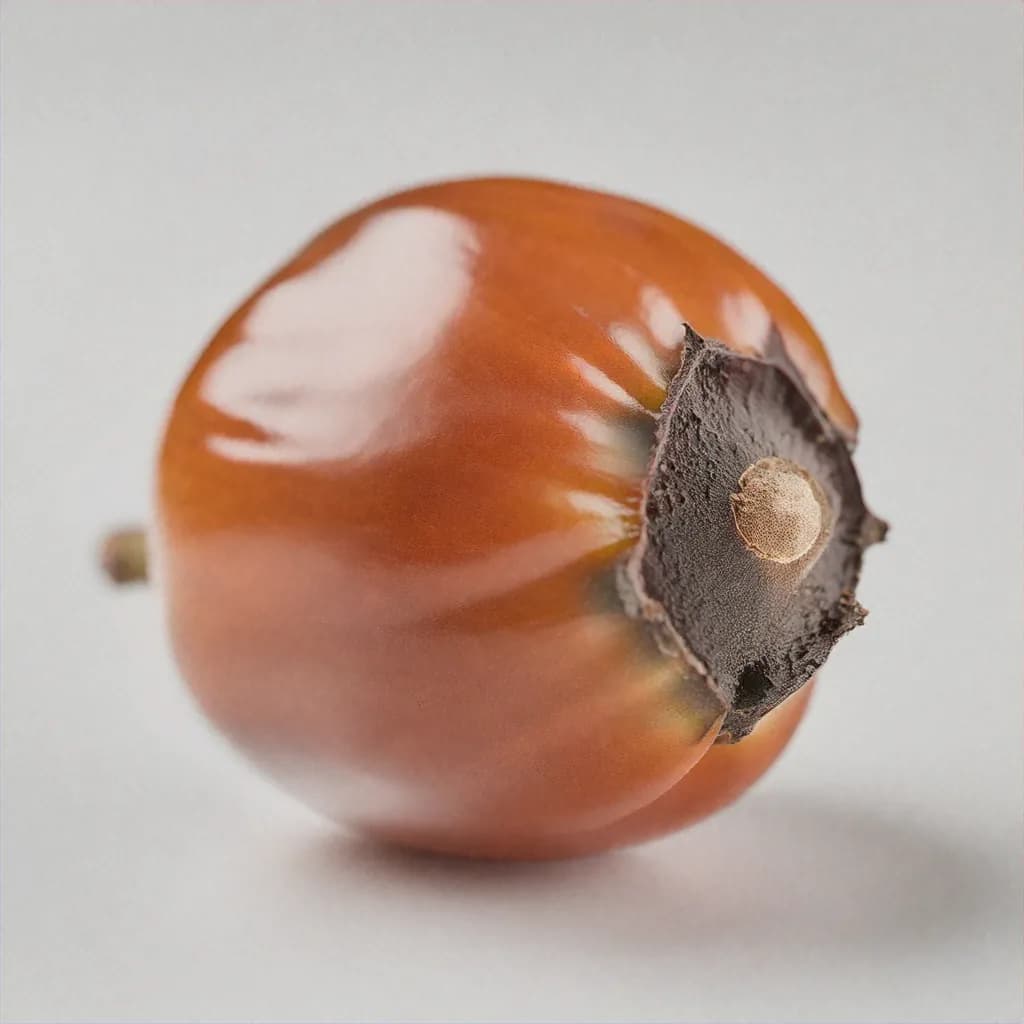
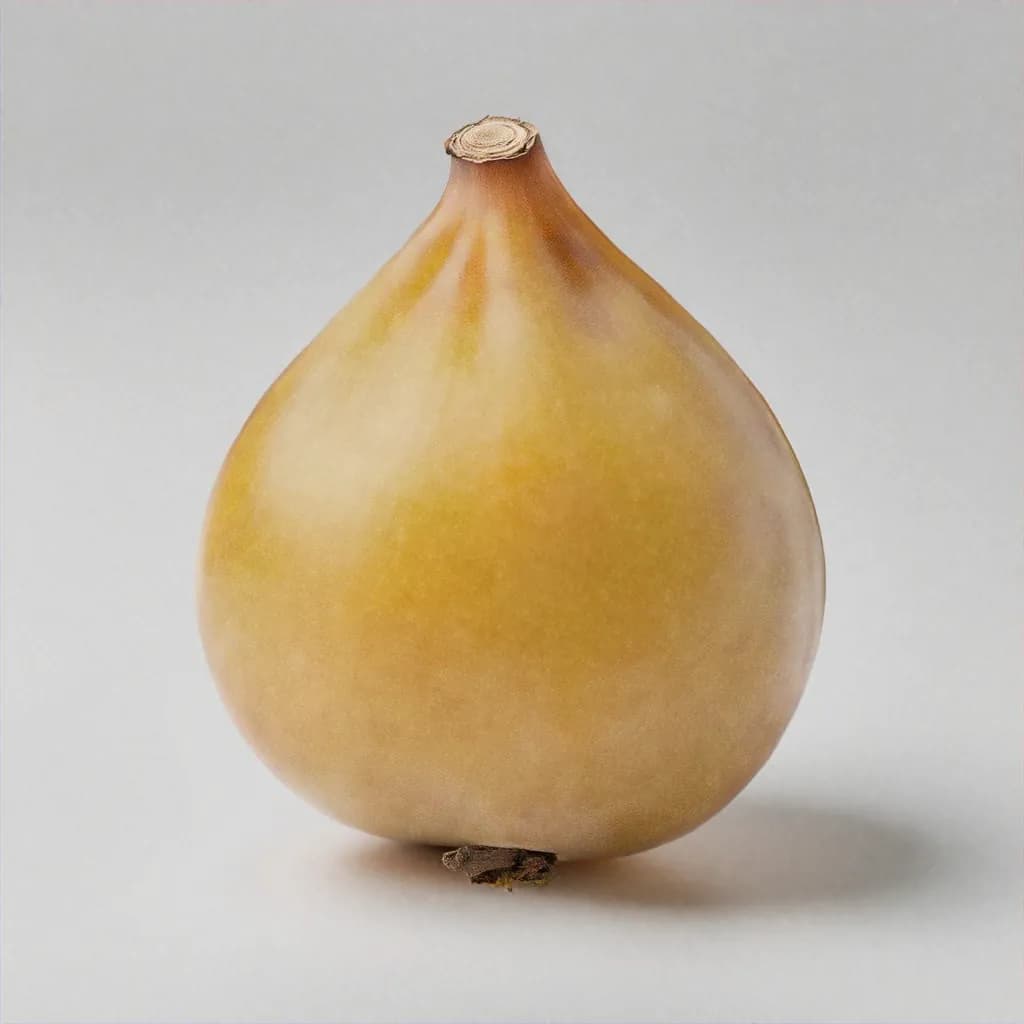
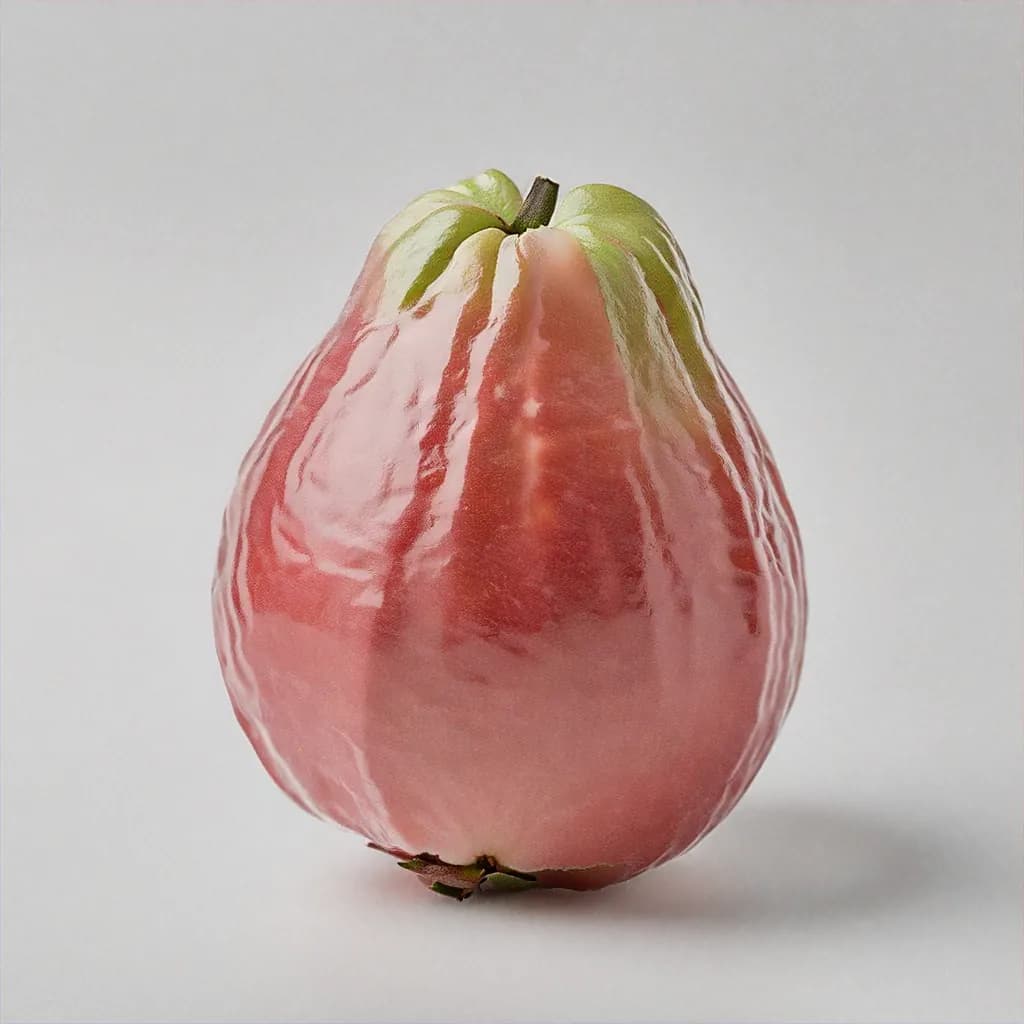
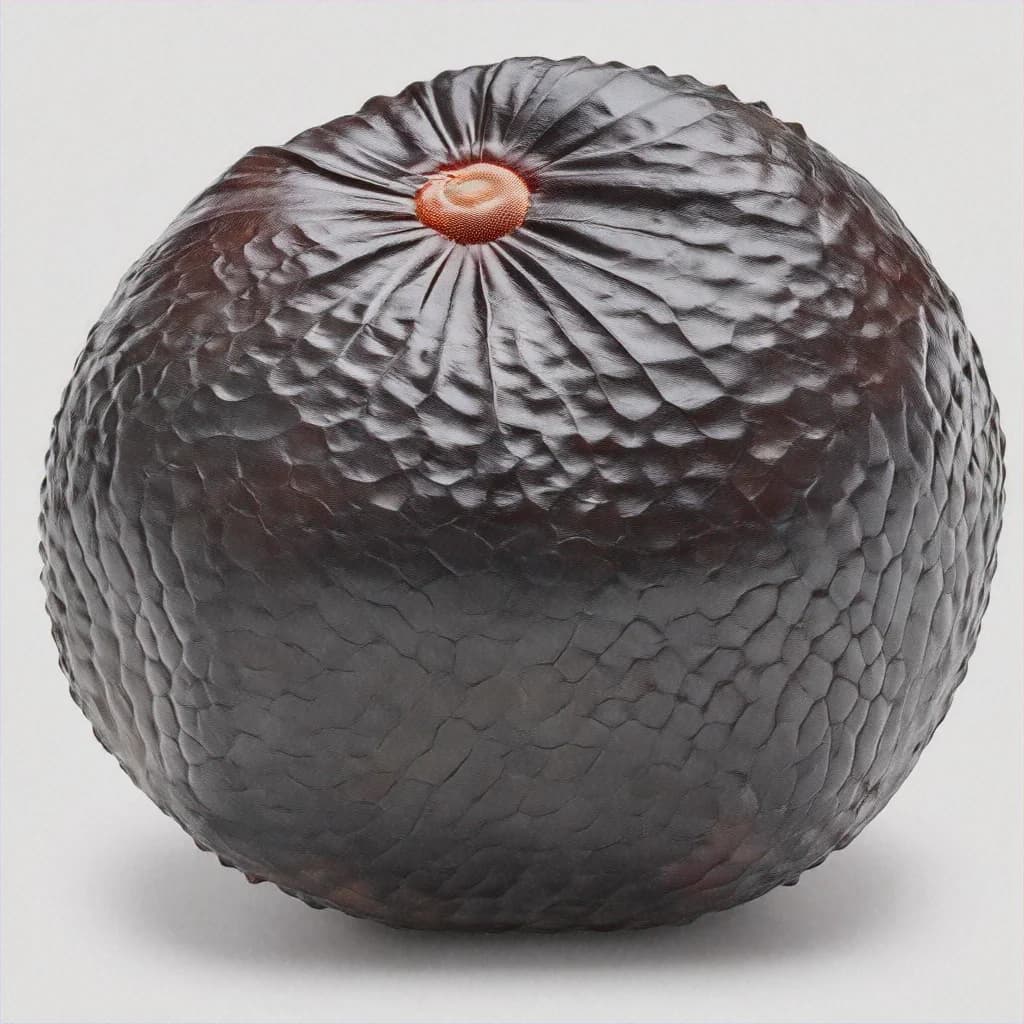
Cekur, scientifically known as Melastoma malabathricum, is a tropical fruit native to Southeast Asia, particularly thriving in Malaysia and Indonesia. This vibrant, deep-purple fruit is a member of the Melastomataceae family and is celebrated for its unique flavor profile—a harmonious blend of sweet and tart notes. The fruit is small, round, and often mistaken for a berry due to its appearance. Beyond its culinary appeal, Cekur is revered for its medicinal properties, making it a staple in traditional remedies. Its rich antioxidant content and diverse nutritional profile contribute to its growing popularity in both local and international markets.
Cekur Galería de fotos
Explora Cekur con todo detalle
Cekur - Vista principal
Cekur Información nutricional
💊Vitaminas
Por 100 g
⚡Minerales
Por 100 g
Por porción
Desglose nutricional por porción
Beneficios para la salud de Cekur
Cekur Origen y distribución
Southeast Asia
Cekur has been a part of traditional medicine in Southeast Asia for centuries, valued for its healing properties and nutritional benefits.
Cekur Temporada alta
Year-round in tropical climates
Cekur Variedades
Cada variedad ofrece sabores, texturas y usos culinarios únicos
Wild Cekur
Cekur Guía de selección y conservación
Mantén tu fruta fresca y deliciosa por más tiempo
Cómo elegir la fruta perfecta
Select fruits with a deep, even purple color.
Avoid fruits with bruises or soft spots.
Métodos de conservación
Store in a cool, dry place.
Refrigerate for extended freshness.
Guía de vida útil
Instrucciones de congelación
Conserva la frescura por meses
Freeze whole or as a puree for up to 3 months.
Use frozen Cekur in smoothies or desserts.
Consejo
Etiqueta los alimentos congelados con la fecha para controlar la frescura. La mayoría de las frutas mantienen su calidad durante 2-3 meses si se congelan correctamente. Para mejores resultados, usa recipientes herméticos o bolsas para congelador para evitar quemaduras por congelación.
Viaje culinario
Descubre posibilidades deliciosas
Usos comunes
Maridajes perfectos
Recetas populares
Bebidas refrescantes
Información de seguridad
Cekur is not known to be a common allergen, but individuals with fruit allergies should exercise caution.
Cekur is generally low in pesticide residue, but organic options are preferred.
- • Individuals with fruit allergies
- • People with kidney stones due to the fruit's oxalate content
- •May cause mild stomach upset if consumed in excess.
- •Possible interactions with blood-thinning medications due to its antioxidant content.
- • Wash thoroughly before consuming.
- • Avoid consuming unripe Cekur as it may be bitter.
Datos curiosos sobre Cekur
¡Trivias sorprendentes que te encantarán!
Cekur is often referred to as the 'Sentul' in Malaysia.
The fruit's deep purple color comes from anthocyanins, which are powerful antioxidants.
Preguntas frecuentes
What does Cekur taste like?
GeneralCekur has a unique flavor that is both sweet and tart, similar to a cross between a blueberry and a cranberry.
How do I know if Cekur is ripe?
BuyingRipe Cekur will have a deep purple color and a slight give when gently squeezed.
Can I freeze Cekur?
StorageYes, Cekur can be frozen whole or as a puree for up to 3 months.
What are some popular culinary uses for Cekur?
CulinaryCekur is often used in jams, jellies, and fruit salads, or as a topping for yogurt and oatmeal.
Is Cekur high in sugar?
NutritionCekur contains about 9.8g of sugar per 100g, which is moderate compared to other fruits.
Does Cekur have any medicinal properties?
HealthYes, Cekur is traditionally used to treat fever, diarrhea, and skin conditions due to its antibacterial properties.
Is Cekur safe for pregnant women?
MiscellaneousWhile Cekur is generally safe, pregnant women should consult a healthcare provider before consuming it in large quantities.