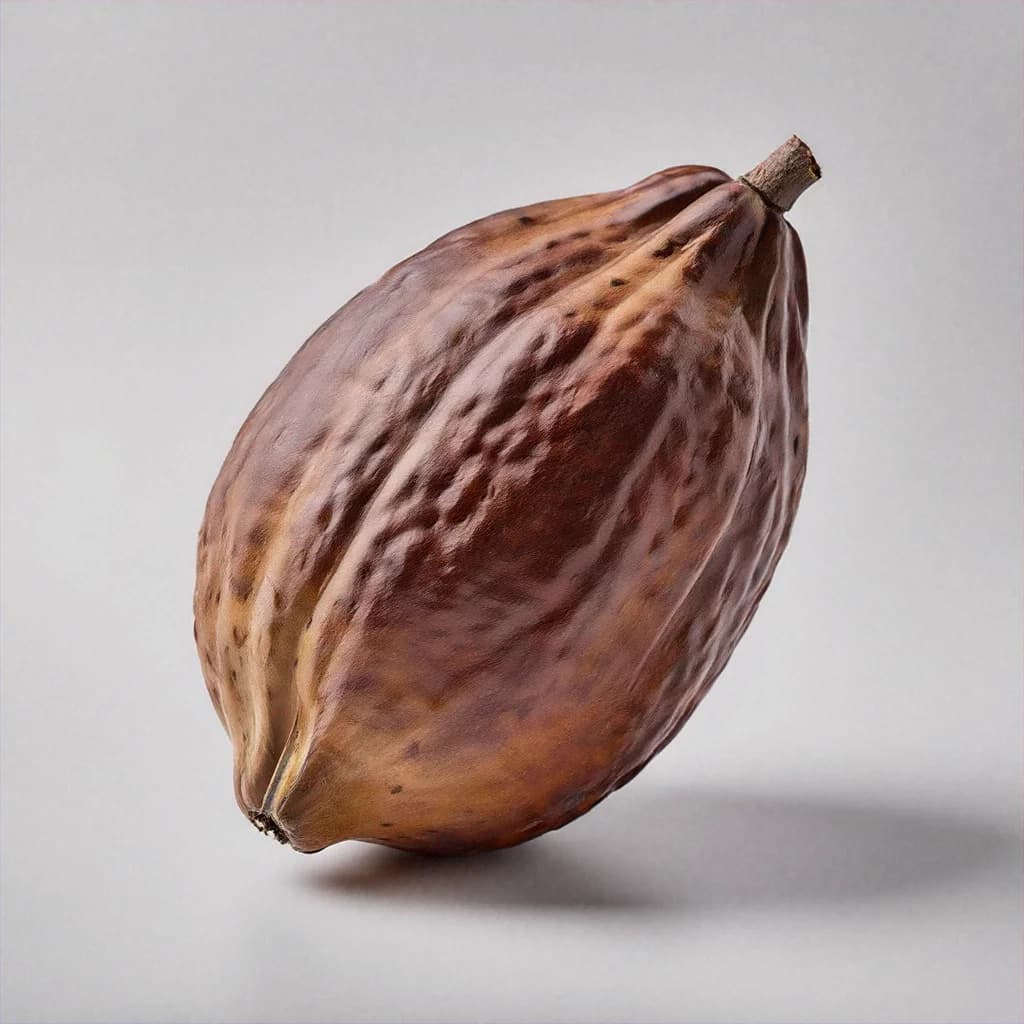
Cacay
Caryodendron orinocense
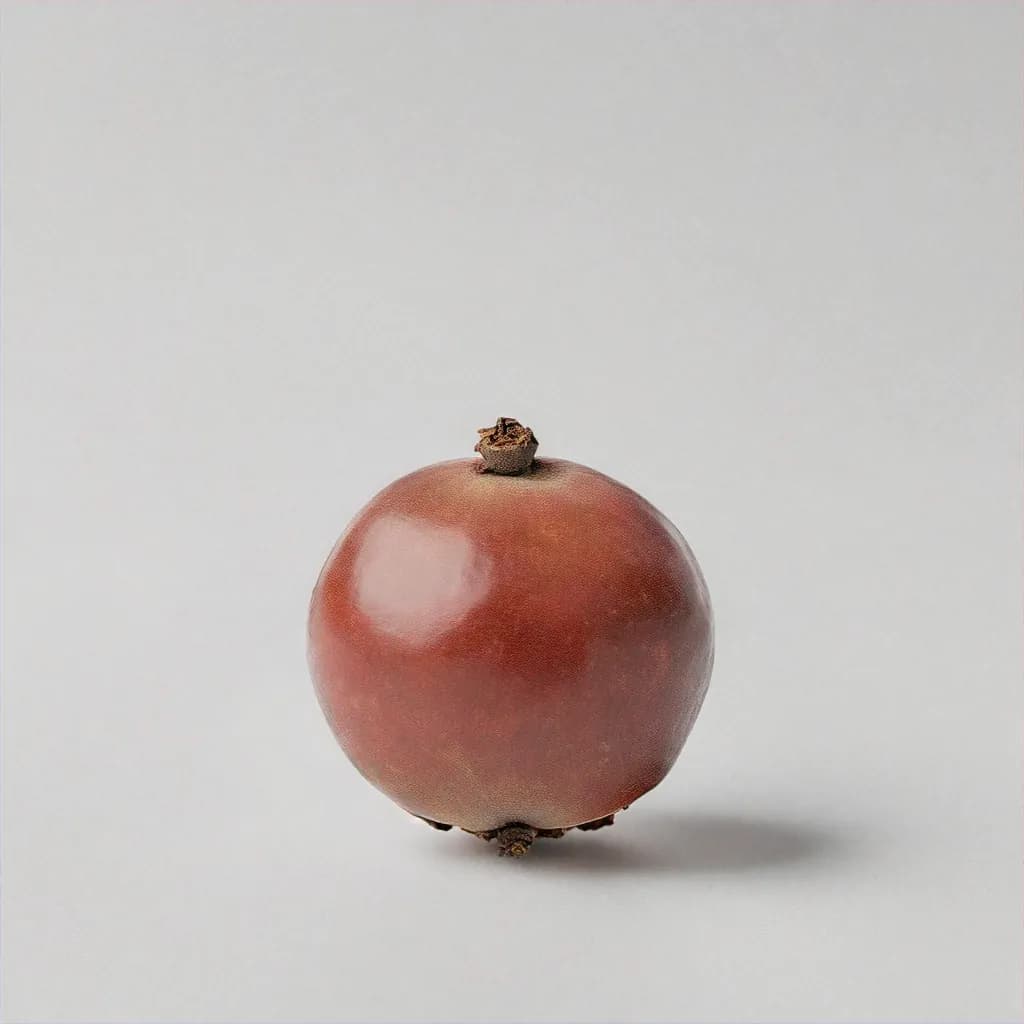
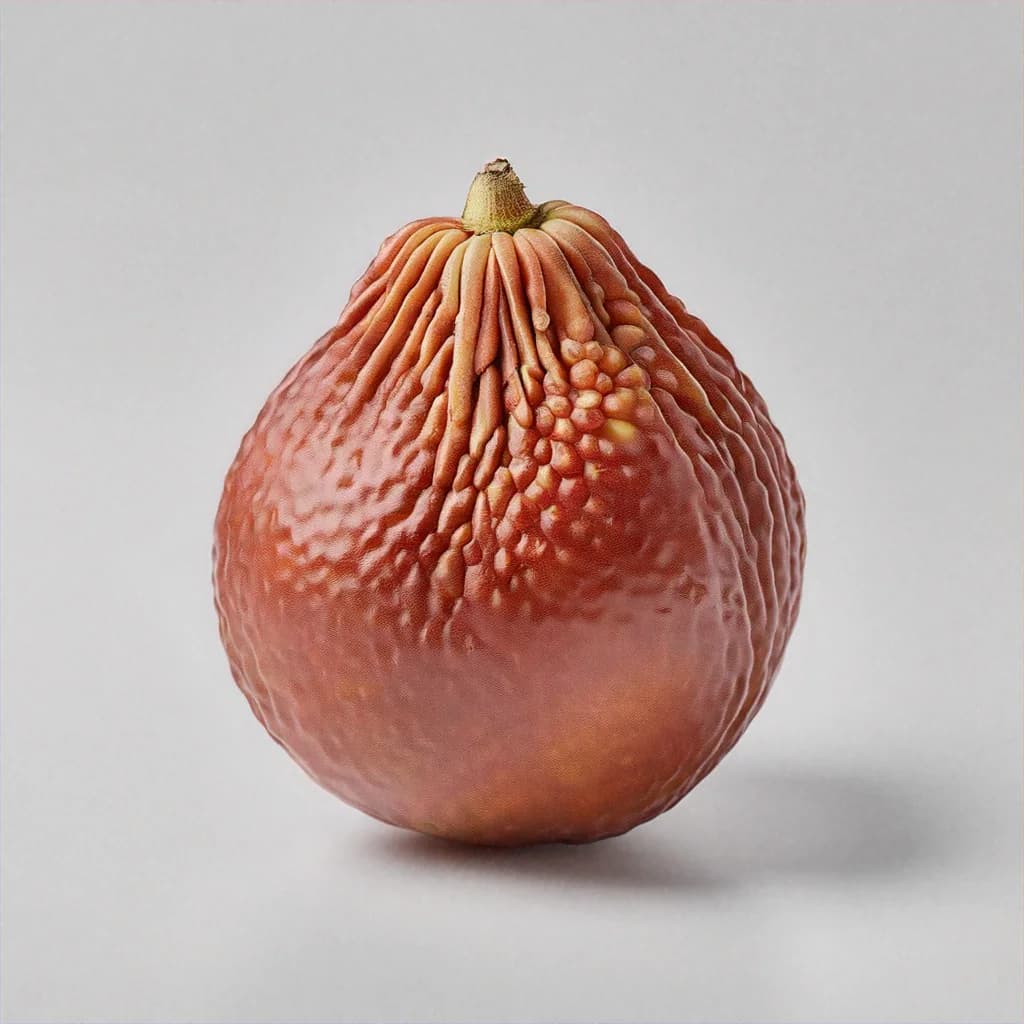
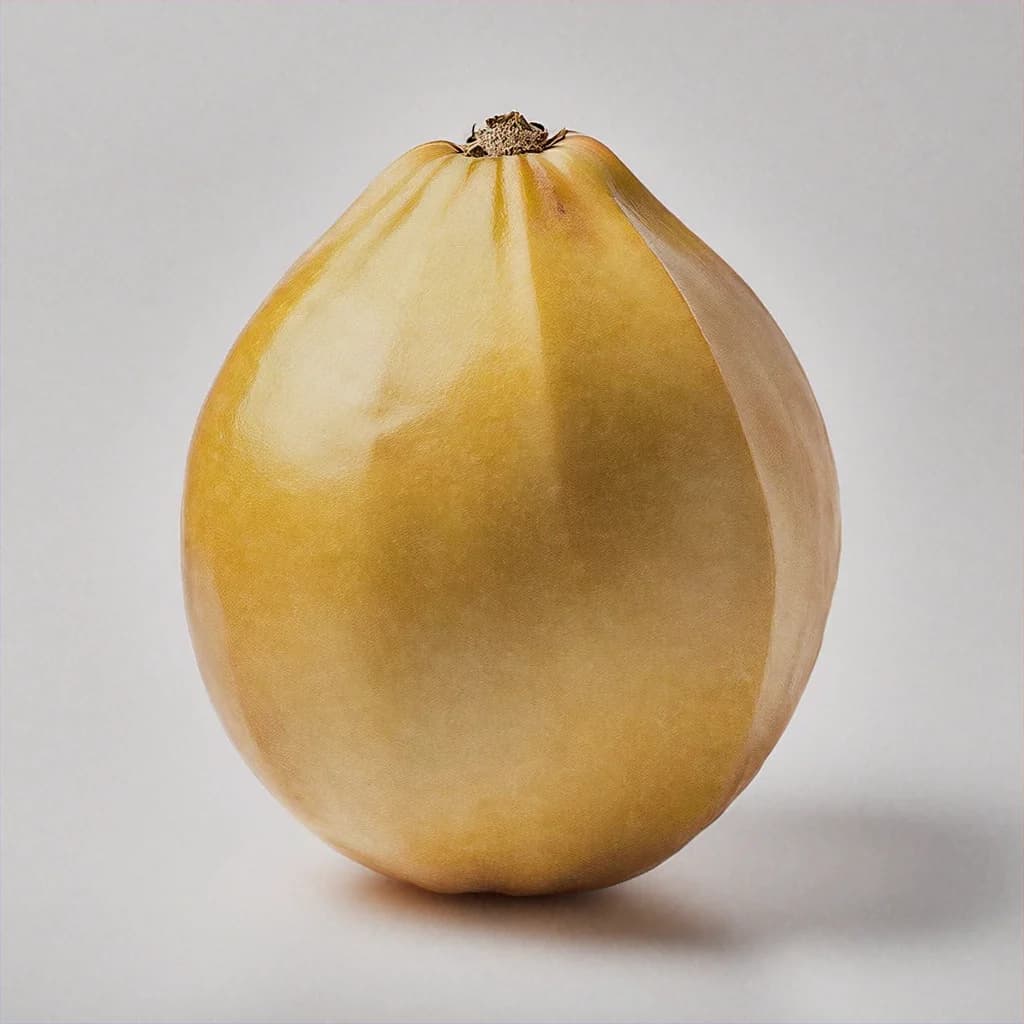
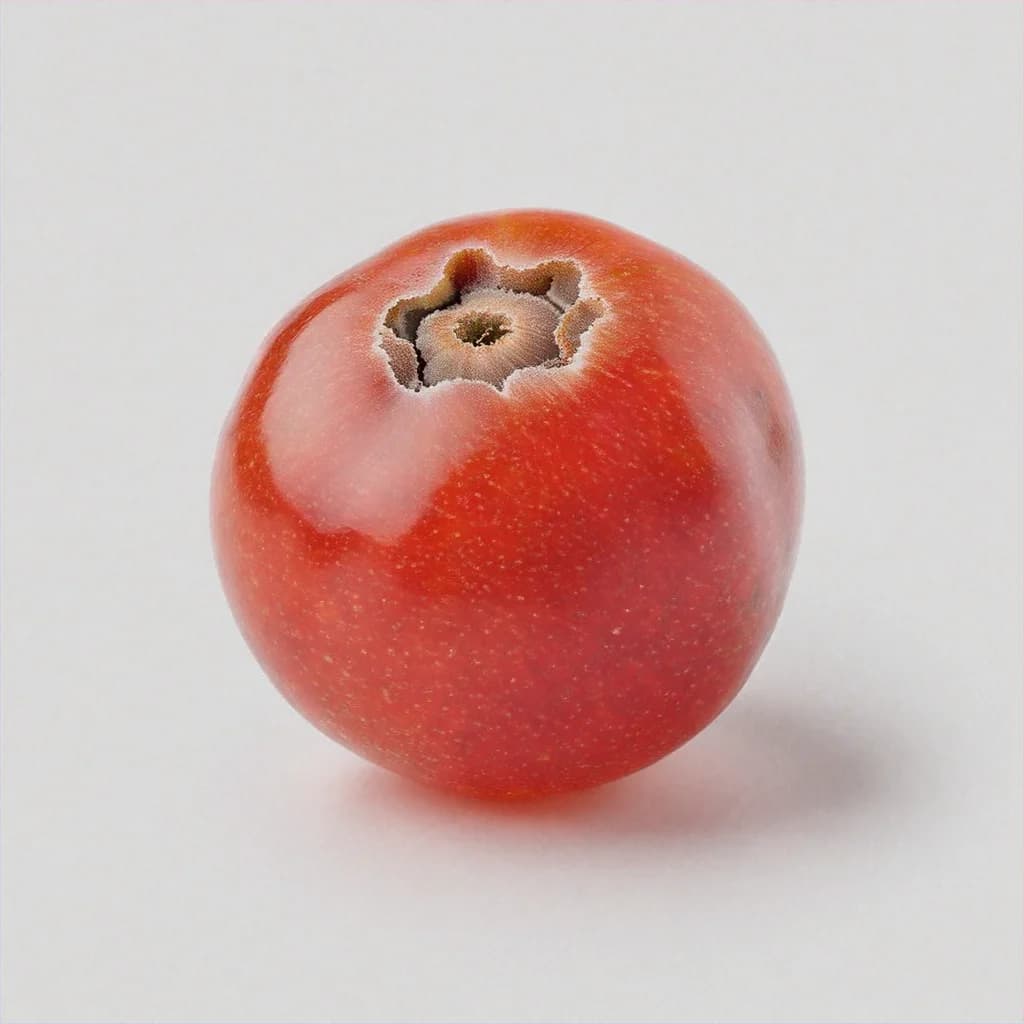
Cacay, also known as Caryodendron orinocense, is a remarkable tropical fruit native to the Amazon rainforest. Its flesh is rich, creamy, and slightly acidic, encasing a large nut that is prized for its oil. Cacay nuts are renowned for their exceptionally high content of essential fatty acids, vitamin E, and antioxidants, making them a superfood in the world of health and wellness. The fruit itself is not widely consumed raw but is often processed into oils, butters, and extracts for culinary and cosmetic applications. Cacay's nutritional profile and versatility make it a valuable addition to diets, skincare routines, and sustainable agricultural practices.
Cacay Galería de fotos
Explora Cacay con todo detalle
Cacay - Vista principal
Cacay Información nutricional
💊Vitaminas
Por 100 g
⚡Minerales
Por 100 g
Por porción
Desglose nutricional por porción
Beneficios para la salud de Cacay
Cacay Origen y distribución
Amazon Rainforest
Cacay has been cultivated by indigenous communities in the Amazon for centuries, valued for its nutritional and medicinal properties. Its recent rise in global popularity is due to its recognition as a superfood and its use in the cosmetics industry.
Cacay Temporada alta
Year-round in tropical climates
Cacay Variedades
Cada variedad ofrece sabores, texturas y usos culinarios únicos
Wild Cacay
Cacay Guía de selección y conservación
Mantén tu fruta fresca y deliciosa por más tiempo
Cómo elegir la fruta perfecta
Look for firm, uncracked nuts.
Avoid nuts with mold or soft spots.
Métodos de conservación
Store in a cool, dry place.
Keep away from direct sunlight.
Guía de vida útil
Instrucciones de congelación
Conserva la frescura por meses
Freezing is not recommended for Cacay nuts.
Store extracted oil in the refrigerator to extend shelf life.
Consejo
Etiqueta los alimentos congelados con la fecha para controlar la frescura. La mayoría de las frutas mantienen su calidad durante 2-3 meses si se congelan correctamente. Para mejores resultados, usa recipientes herméticos o bolsas para congelador para evitar quemaduras por congelación.
Viaje culinario
Descubre posibilidades deliciosas
Usos comunes
Maridajes perfectos
Recetas populares
Bebidas refrescantes
Información de seguridad
Cacay nuts may cause allergic reactions in individuals sensitive to tree nuts.
Cacay is typically grown organically, minimizing pesticide exposure.
- • Individuals with tree nut allergies
- • Those with known sensitivities to tropical fruits
- •Possible allergic reactions
- •Digestive discomfort if consumed in excess
- • Wash nuts thoroughly before use.
- • Store oil in airtight containers to prevent spoilage.
Datos curiosos sobre Cacay
¡Trivias sorprendentes que te encantarán!
Cacay oil contains three times more vitamin E than argan oil.
Indigenous communities in the Amazon have used Cacay for centuries in traditional medicine.
Preguntas frecuentes
What is Cacay fruit?
GeneralCacay is a tropical fruit native to the Amazon, known for its nutritious nuts and oil.
How do I choose the best Cacay nuts?
BuyingSelect firm, uncracked nuts with no signs of mold or damage.
How should I store Cacay nuts?
StorageStore in a cool, dry place away from sunlight. Refrigeration extends shelf life.
What are some culinary uses of Cacay?
CulinaryCacay nuts and oil can be used in salads, dressings, baked goods, and chocolate.
Is Cacay high in calories?
NutritionYes, Cacay is calorie-dense due to its high fat content, but it is also nutrient-rich.
Does Cacay have any known allergens?
HealthWhile rare, some individuals may have allergic reactions to Cacay nuts.
Can Cacay oil be used in skincare?
MiscellaneousYes, Cacay oil is highly valued in skincare for its moisturizing and anti-aging properties.