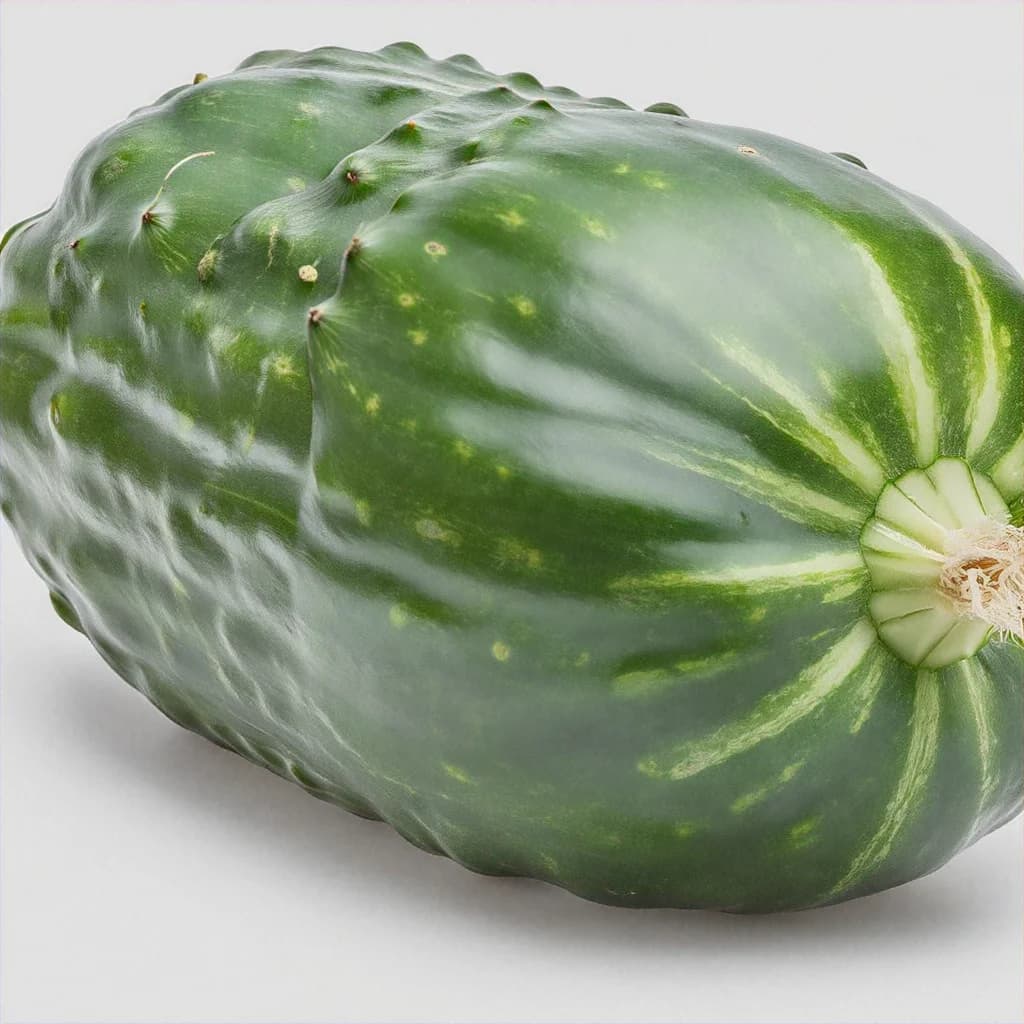
African Cucumber
Cucumis africanus
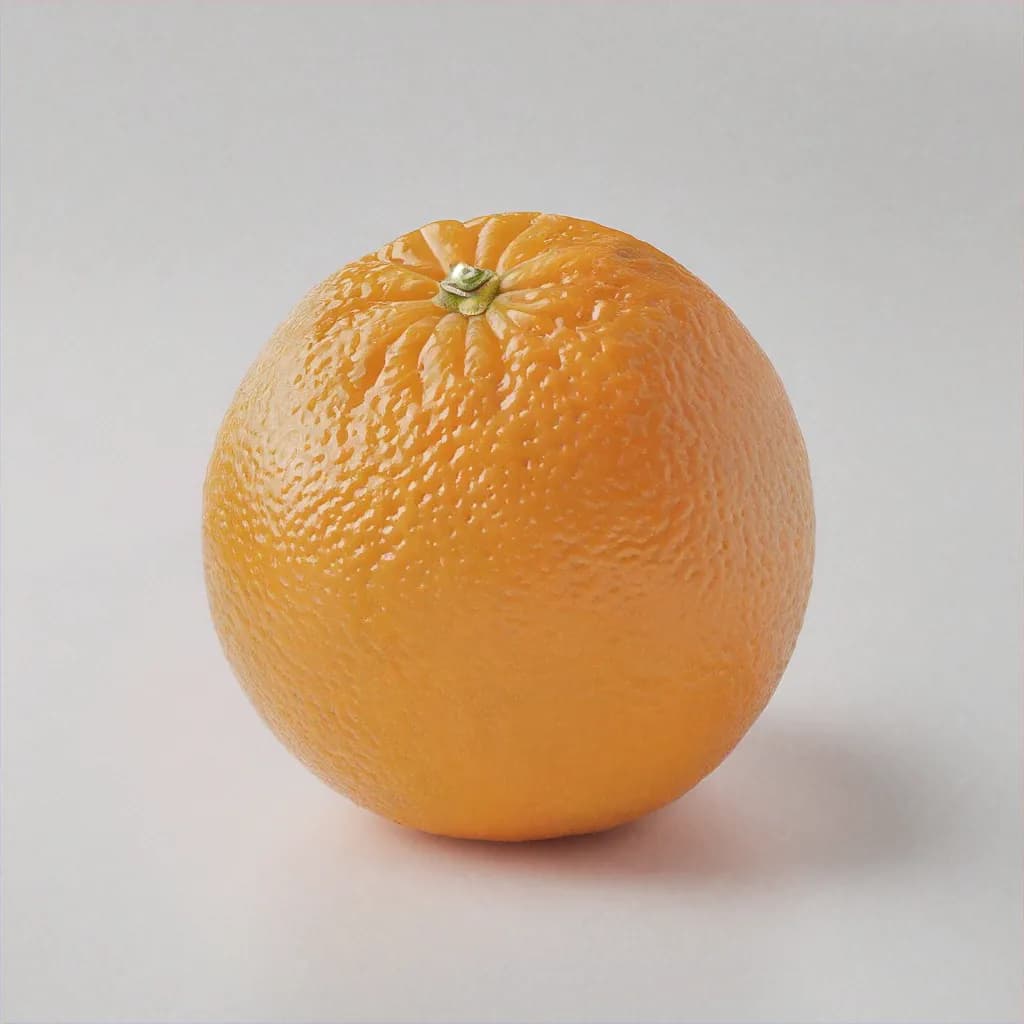
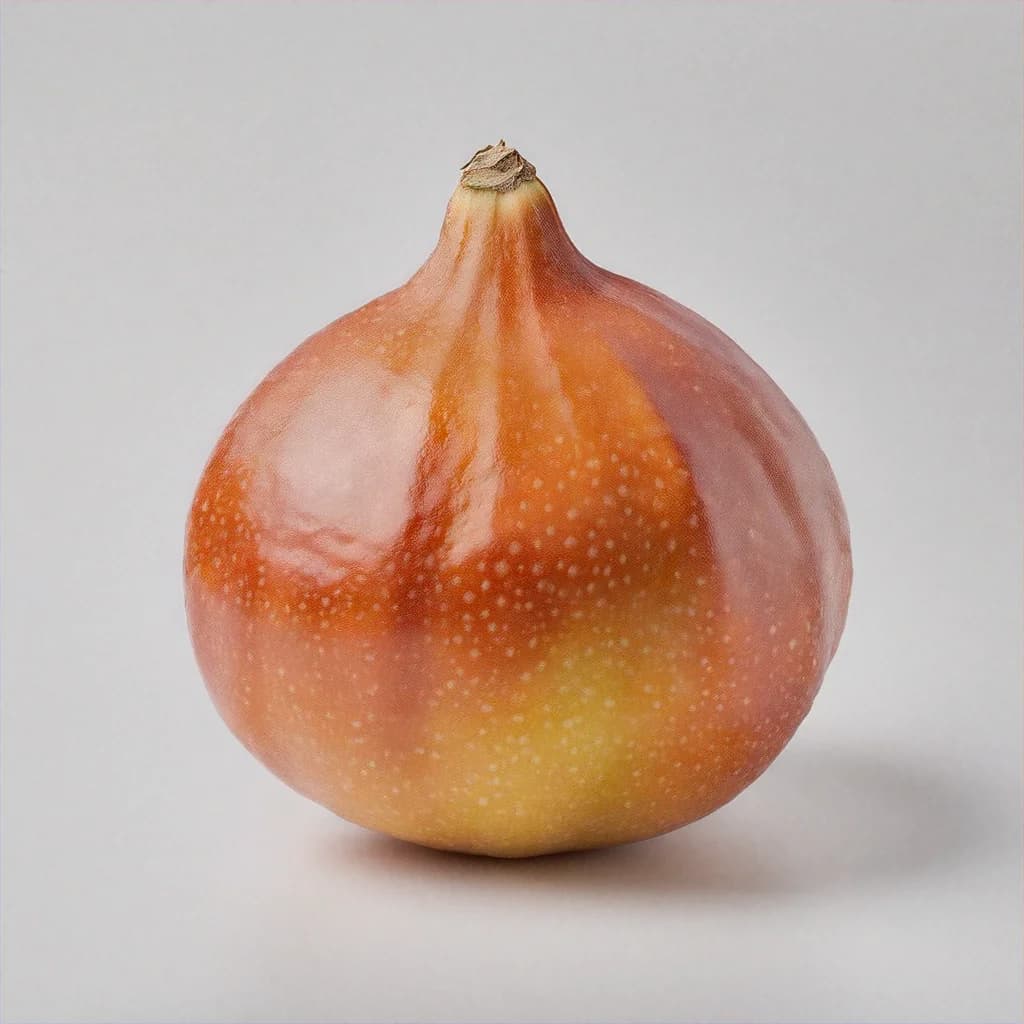
The African Cucumber, scientifically known as Cucumis africanus, is a unique and intriguing fruit native to the arid regions of Southern Africa. Unlike its more familiar cousin, the common cucumber (Cucumis sativus), the African Cucumber is a wild species that has adapted to harsh desert conditions. Its outer skin is tough, often covered in spines, and its flesh is juicy and mildly sweet, providing a refreshing respite in dry environments. Rich in water, fiber, and essential vitamins, this fruit has long been valued for its hydrating properties and nutritional benefits. Traditional uses include consuming it raw, fermenting it, or drying it for preservation. Beyond its culinary applications, the African Cucumber holds cultural significance in many African communities, where it is used in traditional medicine and ceremonies. Its resilience and adaptability make it a fascinating subject of study for botanists and a valuable resource for sustainable agriculture in arid regions.
African Cucumber Galería de fotos
Explora African Cucumber con todo detalle
African Cucumber - Vista principal
African Cucumber Información nutricional
💊Vitaminas
Por 100 g
⚡Minerales
Por 100 g
Por porción
Desglose nutricional por porción
Beneficios para la salud de African Cucumber
African Cucumber Origen y distribución
Southern Africa
The African Cucumber has been a staple in Southern African diets for centuries. It was traditionally used by indigenous communities for its hydrating properties and medicinal benefits. Its resilience to drought and harsh conditions has made it a valuable food source in arid regions.
African Cucumber Temporada alta
Late summer to early autumn
African Cucumber Variedades
Cada variedad ofrece sabores, texturas y usos culinarios únicos
Wild African Cucumber
African Cucumber Guía de selección y conservación
Mantén tu fruta fresca y deliciosa por más tiempo
Cómo elegir la fruta perfecta
Select firm African Cucumbers with no soft spots.
Look for vibrant green skin without excessive blemishes.
Métodos de conservación
Store in a cool, dry place for up to 5 days.
Refrigerate for extended freshness up to 10 days.
Guía de vida útil
Instrucciones de congelación
Conserva la frescura por meses
Not recommended, as freezing alters texture and flavor.
Consejo
Etiqueta los alimentos congelados con la fecha para controlar la frescura. La mayoría de las frutas mantienen su calidad durante 2-3 meses si se congelan correctamente. Para mejores resultados, usa recipientes herméticos o bolsas para congelador para evitar quemaduras por congelación.
Viaje culinario
Descubre posibilidades deliciosas
Usos comunes
Maridajes perfectos
Recetas populares
Bebidas refrescantes
Información de seguridad
Individuals with known allergies to cucumbers or related plants should avoid consumption.
Generally low, as it is often grown in wild or organic environments.
- • Individuals with cucumber allergies
- • People with sensitivity to spiny fruits
- •Potential allergic reactions in sensitive individuals.
- •Mild digestive discomfort if consumed in excess.
- • Wash thoroughly to remove dirt and spines.
- • Avoid consuming if the skin is damaged or shows signs of spoilage.
Datos curiosos sobre African Cucumber
¡Trivias sorprendentes que te encantarán!
The African Cucumber is often referred to as the 'desert cucumber' due to its ability to thrive in arid environments.
In traditional African medicine, the African Cucumber was used to treat various ailments, including fever and digestive issues.
Preguntas frecuentes
What does the African Cucumber taste like?
GeneralThe African Cucumber has a mildly sweet and refreshing taste, similar to a regular cucumber but with a slightly more pronounced flavor.
How do I select a ripe African Cucumber?
BuyingLook for firm cucumbers with vibrant green skin and no soft spots or excessive blemishes.
Can I freeze African Cucumbers?
StorageFreezing is not recommended, as it alters the texture and flavor of the fruit.
How can I use African Cucumbers in cooking?
CulinaryAfrican Cucumbers can be eaten raw, fermented, or added to salads for extra crunch and hydration.
Is the African Cucumber nutritious?
NutritionYes, it is high in water, fiber, Vitamin C, and antioxidants, making it a healthy addition to your diet.
Are there any health risks associated with African Cucumbers?
HealthWhile generally safe, individuals with known allergies to cucumbers or related plants should avoid consumption.
Is the African Cucumber sustainable?
MiscellaneousYes, it is a resilient plant that thrives in arid regions, making it a sustainable food source in areas with limited water resources.